How to Stop Paint from Bubbling: A Practical Guide
Learn practical steps to stop paint from bubbling, including moisture control, surface prep, primers, and proper application for interior and exterior projects. Troubleshoot common causes and prevent future bubbling.


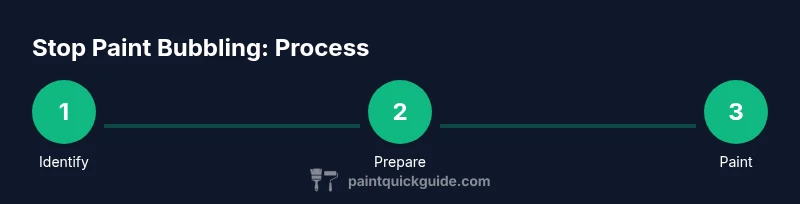
According to PaintQuickGuide, how to stop paint from bubbling means identifying the cause (moisture, poor surface prep, or incompatible coatings), fixing it, and recoat with proper primers. Start by drying and sanding the surface, address moisture intrusion, and repair any damaged substrate. Then apply a compatible primer, choose the right paint type, and use thin, even coats. This guide provides practical steps for interior and exterior surfaces.
What causes bubbling and why it matters
Bubbling occurs when a layer of paint traps moisture or fails to adhere properly to its surface. Before you repaint, understanding the root causes helps you choose the right fix and avoid repeating the problem. Common culprits include moisture intrusion, contamination from oils or cleaners, incompatible coatings, and poor surface preparation. Addressing these issues protects the longevity of your finish and reduces the chance of future blisters forming under heat or humidity. When bubbling starts, it usually indicates that the substrate is not truly ready to receive a new coat, or that the topcoat cannot bridge to the underlying material. The takeaway: correct preparation yields lasting results, while rushing the job invites repeat failures.
Quick diagnosis: moisture, surface prep, substrate, and coat compatibility
To correctly stop bubbling, start with a smart diagnosis. Is the surface visibly damp, or has it recently been wetted? Look for signs of leaks, condensation, or mold, which signal moisture intrusion. Inspect the substrate for peeling or blistering and note whether previous coatings were incompatible (for example, applying latex over an oil-based primer). A precise diagnosis helps you choose the right remediation path and prevents wasted effort on the wrong fix. When in doubt, test moisture in the wall core and check humidity levels in the room before you continue.
Step-by-step prep checklist before repainting
- Remove loose or bubbled paint with a putty knife and feather the edges to a smooth transition.
- Dry the surface completely; moisture must be below the substrate’s minimum for recoating.
- Clean thoroughly to remove oils, dirt, and mildew; residue can prevent adhesion.
- Repair defects with a high-quality filler and let it cure as directed.
- Sand lightly to create a mechanical key, then wipe with a tack cloth.
- Protect surrounding areas with painter’s tape and drop cloths.
- If moisture is a factor, address the source before priming or painting.
Selecting primers and paints that resist bubbling
Choose primers designed for problem surfaces and moisture-prone areas, such as bonding or stain-blocking primers, which improve adhesion. Pair the primer with a topcoat that is compatible with the surface and climate conditions. For interiors, water-based (latex) or oil-based systems can work, while exteriors may require moisture-resistant formulas rated for outdoor exposure. Always follow the product’s directions for temperature, humidity, and recoat windows to maximize adhesion.
Surface preparation techniques: cleaning, sanding, drying, and moisture barriers
Deep cleaning removes oils that prevent adhesion. Use a mild detergent or degreaser, rinse, and allow the surface to dry completely. For glossy or previously painted surfaces, a light sand helps create a mechanical bond. Wipe away dust with a tack cloth. In damp environments, consider a moisture barrier or dehumidifier to reduce humidity and accelerate cure times between coats. Resolve any structural leaks or hidden moisture sources before recoating.
Application technique to minimize bubbles
Apply paint in thin, even coats using smooth, continuous strokes. Work in small, overlapping sections to avoid lap marks and air pockets. Maintain a stable temperature and moderate humidity; extreme conditions can trap air and promote blistering. Allow each coat to dry fully before applying the next one, and avoid speeding the process with heat or fans that dry surfaces unevenly. Proper technique matters as much as the materials you choose.
Troubleshooting: what to do if bubbles reappear
If bubbles reappear, stop painting, remove the bubbled layer, and reassess moisture and prep. Re-sand lightly, re-clean, re-prime, and recoat in thinner layers to prevent new air pockets. Check for hidden leaks around windows, doors, or roof lines that could reintroduce moisture. Take the time to re-evaluate substrate integrity; in some cases, the area may need more extensive repair before repainting successfully.
Real-world scenarios: interior vs exterior surfaces
Interior projects hinge on indoor humidity and clean finishes; cooking goes through damp spaces where moisture can linger behind paint layers. Exterior work battles weather, sun exposure, and moisture penetration through siding or flashing. In both cases, ensure the substrate is sound, dry, and ready to accept coating. Select products rated for the environment and plan for longer cure times outdoors, especially in cool or humid climates.
Maintenance tips to prevent future bubbling
Maintain stable humidity in living areas and garages by using vents or dehumidifiers as needed. Store paints in a cool, dry place and seal containers tightly. Repaint only when the surface is clean and dry, and protect against moisture intrusion with proper weatherproofing. Regular inspections after wet seasons can catch issues early and keep finishes bubble-free for longer.
Tools & Materials
- Putty knife or scraper(to loosen and remove bubbling paint)
- Medium-grit sandpaper (120-220 grit)(for smoothing edges and feathering)
- Sanding block(to maintain even pressure)
- Tack cloth or microfiber cloth(to remove dust after sanding)
- Degreasing cleaner or mild detergent(to remove oils and contaminants)
- Bucket and sponge(for cleaning and rinsing)
- Painter's tape(to protect edges)
- Drop cloths or plastic sheeting(to protect surrounding areas)
- Bonding primer compatible with topcoat(improves adhesion on problem surfaces)
- Topcoat paint appropriate for surface(interior or exterior as applicable)
- Moisture barrier or dehumidifier(use if humidity is high)
Steps
Estimated time: 24-96 hours (depending on substrate, coating, and climate)
- 1
Identify bubbling causes
Assess whether moisture, prior prep, or coating incompatibility caused the issue. Document signs of moisture intrusion and any previous product mismatches. This diagnosis guides the remediation path to prevent recurrence.
Tip: Take photos of the affected area for reference during repairs. - 2
Dry the surface completely
Ensure the surface is fully dry before any sanding. Use fans or a dehumidifier and monitor humidity; moisture must fall below the substrate’s acceptance threshold before proceeding.
Tip: If you suspect hidden moisture, use a moisture meter to confirm dryness. - 3
Remove all loose paint
Scrape away bubbled and loose material to create a stable base. Feather the edges to blend with surrounding areas and avoid sharp transitions that can trap moisture under new coats.
Tip: Work gradually to avoid gouging the substrate. - 4
Repair surface defects
Fill cracks, holes, and gouges with an appropriate filler. Let it cure fully and sand smooth so the surface is uniform before priming.
Tip: Choose a filler that matches substrate flexibility to prevent future cracking. - 5
Clean and degrease
Wash the surface to remove oils, dust, and residues that can hinder adhesion. Rinse thoroughly and allow to dry completely.
Tip: Avoid harsh solvents that can damage the substrate; stick to recommended cleaners. - 6
Prime with bonding primer
Apply a compatible bonding primer to improve adhesion, especially on problematic substrates or previously non-adherent coatings.
Tip: Follow the product’s recoat window and ventilation guidelines. - 7
Apply thin coats of topcoat
Paint in thin, even layers, allowing full drying between coats. Use smooth, overlapping strokes to minimize air entrapment and avoid heavy buildup.
Tip: Never rush to apply the second coat before the first is fully dry. - 8
Cure and recoat if needed
Inspect the finish after full cure. If any bubbling or adhesion issues reappear, repeat surface prep and apply additional thin coats as required.
Tip: Patience with drying times pays off in durability.
Your Questions Answered
What causes paint to bubble?
Bubbling is usually caused by trapped moisture, surface contamination, or poor adhesion between coats. Other factors include applying paint over an incompatible primer or sealer and inadequate surface preparation. Correct diagnosis helps you target the fix rather than guessing.
Bubbles happen when moisture or contaminants prevent the new coat from adhering properly. Fixing the root cause is key.
Can bubbling happen on both interior and exterior surfaces?
Yes. Indoor humidity and cleaning residues can cause bubbling on interior walls, while weather, moisture intrusion, and substrate exposure drive bubbling on exterior surfaces. The remedy is the same at the core: ensure a dry, sound substrate and use compatible primers and topcoats.
Bubbling can occur in both places; the fix is addressing moisture and adhesion conditions.
How do I test for moisture before repainting?
Use a moisture meter on the substrate or check ambient humidity and surface dryness. Ensure the wall is completely dry before sanding or priming. If moisture is detected, address leaks or use dehumidification and delay coating until it passes a dryness test.
Test moisture with a meter or confirm dryness with a simple touch and feel test.
Should I sand bubbling areas before priming?
Yes. Lightly sand the bubbled area to remove blistered material and create a uniform surface. Wipe clean before applying primer to ensure good adhesion.
Sanding helps the new coating grip the surface better.
What primer should I use to prevent bubbling?
Choose a bonding or stain-blocking primer designed for problem surfaces and moisture resistance. Primer selection should match the topcoat and substrate, especially if previous layers failed adhesion.
Use a bonding primer that’s compatible with your topcoat and surface.
Is lead-based paint a concern if bubbling occurs?
If you suspect lead paint, stop sanding or scraping and consult a professional. Lead exposure requires specialized containment and disposal procedures for safety.
Lead paint is a serious safety issue. Get professional help if you suspect it.
Watch Video
Quick Summary
- Identify and fix moisture or prep issues before repainting
- Always use the right primer for problem surfaces
- Apply paint in thin, even coats and allow proper drying between layers
- Address moisture sources and climate factors to prevent future bubbling