How to Prevent Paint from Peeling: A Practical Guide
Learn steps to prevent paint from peeling on walls, trim, and cars. This PaintQuickGuide tutorial covers prep, priming, paint selection, and maintenance for finishes.


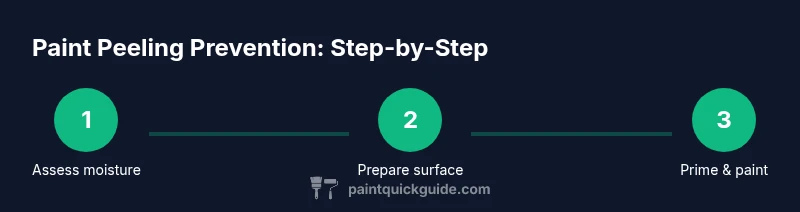
This guide shows you how to prevent paint from peeling by fixing moisture, choosing the right primer, and applying finished coats with proper technique. You'll learn how to diagnose peeling, prepare surfaces, and maintain durable finishes—without costly repaint cycles. According to PaintQuickGuide, a structured prep routine dramatically reduces failure rates and extends the life of interior, exterior, and automotive finishes.
Why peeling happens: moisture, substrate, and adhesion
Peeling paint is rarely a single cause. Moisture intrusion from leaks, humidity, or poor ventilation weakens the bond between primer, paint, and substrate. Surfaces with old, loose coatings or irregular textures create poor adhesion. Substrates like plaster, wood, masonry, and metal react differently to moisture and temperature cycles. In many cases, peeling begins at joints, corners, or repair patches where filler or old paint has cracked.
According to PaintQuickGuide, moisture is the leading cause of peeling in both interior and exterior applications. Identifying moisture sources early matters: fix leaks, improve air circulation, and consider a dehumidifier in damp spaces. If you detect any mold or mildew from hidden leaks, address that first; otherwise, even perfect technique may fail. A clean, dry, and properly prepared surface is the first foundation of lasting paint adhesion.
Surface preparation essentials
Preparation is where most peeling problems are solved before they start. Start by removing all loose or peeling material with a scraper or putty knife, then sand the surface to create a committed bite for primers. Clean the area thoroughly to remove dust, grease, and chalky residues; for bathrooms or kitchens, use a mild degreasing cleaner. Repair cracks or holes with appropriate fillers and allow them to cure fully before sanding smooth. A shimmed, level surface helps primers and topcoats lay down evenly and prevents future cracking.
Finally, protect adjacent surfaces with tape and paper, especially when repainting trim or metal moldings. The goal is a pristine, dry base that accepts primer uniformly. If you skip this step, you risk trapping moisture under your coating, which can lead to rapid peeling after a few months.
Choosing the right paint and primer
Selecting the correct primer and topcoat is critical for long-lasting adhesion. Use bonding primers on slick surfaces like glossy wood or painted metal, and consider shellac-based primers on stubborn stains or tannin bleed. For exterior walls, pair a high-quality exterior acrylic or elastomeric paint with a stain-blocking primer to resist moisture intrusion. In high-humidity environments, opt for breathable coatings that tolerate moisture swings without delaminating. Remember to check the paint can for surface compatibility, temperature and humidity guidelines, and recoat windows.
Quality primers lay a stable foundation, while high-grade paints deliver durable color and film integrity. While cost matters, a poor primer or incompatible topcoat will undermine years of prep work. If you’re uncertain, test a small area and observe adhesion and dry time before committing to the full project.
Cleaning and repairing before painting
Even small surface imperfections can cause peeling later if not properly treated. Begin with a thorough cleaning to remove surface contaminants such as grease, smoke residues, or chalky powder. Rinse and let dry completely. Fill cracks and gouges with a compatible filler, then sand until the surface is smooth and uniform. Wipe away sanding dust with a damp cloth and allow it to dry before priming. A clean foundation ensures primer bonds uniformly, reducing the chance of peeling along repair lines.
If you repaired large areas, recheck for adhesion after priming. Moisture-sensitive repairs may require longer curing times; follow manufacturer recommendations to avoid trapping dampness beneath the paint layer.
Priming strategies for different surfaces
Different substrates demand different primers. For wood and soft substrates, use a bonding primer that improves adhesion and blocks tannins that can migrate to the surface. For masonry or concrete, a penetrating or bonding primer helps seal micro-pores and reduces water vapor transmission. For metal, apply a rust-inhibitive or rust-blocking primer to prevent corrosion that weakens the topcoat’s bond. In damp basements or bathrooms, a mold-resistant primer adds extra protection. Always follow the primer’s recoat window and drier times to achieve a solid, uniform base.
Application best practices: technique and environment
Thin, even coats yield better adhesion than thick, gloppy layers. Apply each coat with consistent strokes in one direction to avoid lap marks and to ensure uniform film thickness. Maintain adequate air circulation and avoid painting in direct sunlight, strong winds, or high humidity. Temperature and humidity greatly influence drying time and film formation; if the surface is too damp, the coating may stay soft and peel later. Allow sufficient cure time between coats and avoid rushing the process. If you see couldn’t-surface beading, you may need more primer or a different topcoat formulation.
Climate and timing: how weather affects adhesion
Weather plays a critical role in paint performance. High humidity and rain can delay drying and trap moisture under coatings, increasing peeling risk. Low temperatures slow curing and can prevent proper film formation, causing cracks and peel. Windy days may dry surfaces too quickly, leading to poor leveling and micro-cracks. Plan painting during mild, dry periods with stable temperatures and low dew points. If conditions are borderline, use interior spaces or controlled environments for exterior projects and store materials at recommended temperatures.
Maintenance and touch-ups to prevent future peeling
Even well-applied paint can peel due to future moisture exposure or wear. Regularly inspect for early signs of peeling, chalking, or cracks, especially in kitchens, bathrooms, and exterior walls. Clean surfaces periodically and repair chips promptly with a suitable filler, followed by primer and paint. Maintain a schedule for caulk and sealant replacement around windows and doors to prevent water ingress. A simple annual check can catch issues before they escalate and save you from larger repaint projects.
Common pitfalls and how to avoid them
Skipping surface prep, using the wrong primer, or painting in unsuitable conditions are the quickest paths to peeling. Avoid over-thinning primer or topcoat, which reduces adhesion and film strength. Don’t mix paints from different brands or sheens without compatibility checks, as that can create intercoat adhesion failure. Always follow product instructions for drying times, recoat windows, and surface preparation. If you don’t address moisture sources first, peeling may recur even after a perfect application.
Quick references: checklists and outcomes
Before you start, run a moisture check and document substrate condition. Create a prep checklist: remove loose material, clean, repair, sand, prime, and finally paint in thin coats. After finishing, record cure times and conditions to understand how environmental factors affected performance. By following these steps, you should achieve a durable finish with minimal risk of peeling and maintainability that’s easier in the long term.
Tools & Materials
- Putty knife / scraper(Remove loose paint; pry off damaged layers)
- Wire brush(Brush away flaky coatings and debris)
- Sanding block (120-180 grit)(Create key for primer; smooth edges)
- Mild degreasing cleaner(Clean surface thoroughly)
- Filler/patch compound(Fill cracks and gouges; let cure)
- Painter's masking tape(Shield edges and trim)
- Primer: bonding or shellac-based(Choose based on surface type)
- Topcoat paint (high-quality acrylic or enamel)(Exterior or interior as appropriate)
- Paint brushes and rollers (assorted sizes)(Thin coats; avoid heavy build-up)
- Drop cloths / plastic sheeting(Protect floors and furniture)
- Respirator or mask and eye protection(Safety first; avoid inhalation of fumes)
- Ladder or step stool(Access high areas safely)
- Moisture meter (optional)(Assess masonry and wood moisture)
Steps
Estimated time: 3-6 hours
- 1
Assess surface and moisture
Survey the area for moisture sources and staining. A high moisture level means you must fix leaks and improve ventilation before painting. If moisture is present, address it first to prevent future peeling.
Tip: Use a moisture meter on masonry and wooden surfaces to determine remediation needs. - 2
Remove peeling paint
Scrape away all loose material until the edges are firm. Sand the edges to feather the transition, creating a smooth surface for primer adhesion. Clean the area to remove dust before priming.
Tip: Work in a well-ventilated area and wear a dust mask to avoid inhaling particles. - 3
Repair cracks and holes
Fill cracks and gouges with compatible filler and let it cure fully. Sand flush with the surrounding surface and wipe away any dust. This step prevents peaks and dips that can trap moisture.
Tip: For larger repairs, apply in layers and allow each layer to set before adding the next. - 4
Prime the surface
Choose a bonding or stain-blocking primer aligned with your surface type. Apply thin, uniform coats and let each coat dry per product instructions. A well-adhered primer improves the topcoat’s performance.
Tip: Always test a small area first to confirm compatibility with your finish. - 5
Apply topcoat in thin coats
Brush or roll with long, even strokes, maintaining a wet edge to avoid lap marks. Allow adequate drying time between coats. Apply 2–3 thin coats rather than one thick coat for better adhesion.
Tip: Maintain consistent humidity and temperature within the product guidelines. - 6
Control environment and cure
Paint in mild, dry conditions with good ventilation. Avoid painting in direct sun or wind, which can cause uneven drying and cracking. After finishing, keep the area dry and ventilated during curing.
Tip: If outdoor conditions aren’t ideal, consider indoor painting or delaying the project until weather improves. - 7
Inspect and touch up
Once the project is dry, inspect for any missed spots or thin patches. Apply touch-ups with a light, smooth stroke to maintain even film thickness. This helps ensure a uniform, durable finish.
Tip: Do not overwork the same area; excessive brushing can lift fresh paint. - 8
Cure and maintenance
Allow full cure time before subjecting the surface to heavy use or weather exposure. Regular cleaning and periodic inspection help detect early signs of peeling and allow timely maintenance.
Tip: Plan annual checks around moisture-prone areas like basements and exterior facades.
Your Questions Answered
What causes paint to peel?
Peeling is typically caused by moisture intrusion, poor surface prep, using incompatible primers or paints, or applying paint over damaged substrates. Identifying and addressing moisture sources is crucial to long-lasting adhesion.
Peeling usually happens because of moisture, bad prep, or using the wrong products. Fix the moisture and prepare the surface properly to prevent it from recurring.
Do I need to strip peeling paint before repainting?
Yes. Remove all loose paint so the new coating can bond to a solid surface. Failing to strip can trap moisture and cause fresh paint to peel again.
Yes. Remove the loose paint completely so the new coat can bond properly.
Can peeling be fixed without repainting the whole area?
In some cases, localized peeling can be repaired by removing the affected area, priming, and applying new paint. However, extensive peeling often requires a full repaint to guarantee durability.
Sometimes you can fix small spots, but large peeling usually needs a full repaint for lasting results.
What primers work best to prevent peeling?
Bonding primers and shellac-based primers are effective for difficult surfaces and stains. They improve adhesion and seal porous substrates, reducing future peeling risk.
Bonding or shellac primers are great for stopping peeling on tough surfaces.
How long should I wait between coats?
Adhere to the product’s drying times on the can. Waiting the recommended period ensures proper film formation and better adhesion.
Follow the can’s drying times between coats for best results.
Is moisture a concern for interior and exterior paint equally?
Yes, moisture affects both interior and exterior paints. Addressing moisture sources and improving ventilation is essential for all painting projects.
Moisture affects both indoor and outdoor paint; fix the moisture first.
Watch Video
Quick Summary
- Identify moisture sources before painting.
- Proper surface prep dramatically reduces peeling risk.
- Use appropriate primers for adhesion and stain-blocking.
- Apply paint in thin, even coats and monitor environment.
- Regular maintenance prevents future peeling.