Is It OK to Paint in the Winter? A Practical Guide
Discover if it's OK to paint during winter and how to do it right. Learn paint choices, temperature and humidity tips, indoor vs outdoor strategies, project planning, and common winter painting mistakes.


Painting in winter is doable with the right approach. Expect longer drying times and careful surface prep, and prefer indoor spaces or dry, sunny days for exterior work. Key steps include selecting winter-ready paints, maintaining stable temperatures and humidity, and allowing extra cure time between coats.
Is it ok to paint in the winter? A practical overview
is it ok to paint in the winter is a common question for homeowners. According to PaintQuickGuide Team, winter painting is feasible when you adjust expectations for finish quality, temperature, humidity, and scheduling. Acknowledge that drying will be slower, surfaces may need extra prep, and you may rely more on indoor spaces or temporary warm days for exterior work. The key is to work with conditions that avoid moisture, frost, and rapid temperature swings, and to ensure you have a safe, ventilated workspace. This guide outlines how to choose paints, manage the environment, and structure a winter project so you can achieve durable results without excessive frustration.
Throughout this article, we’ll weave practical techniques, clear checklists, and realistic timelines to help you plan effectively and minimize the guesswork when temperatures drop.
Choosing winter-friendly paints and finishes
Winter conditions influence how paints behave. Water-based acrylics and latex enamels can perform well if you keep temperatures steady and humidity moderate, while alkyd/oil-based finishes may offer better leveling and durability in cooler air. Look for winter-ready formulas that mention cold-temperature curing or “fast-drying” attributes, but always verify surface prep requirements and compatibility with primers. When painting exteriors, select paints designed for longer cure times so they resist chipping after a cold day. For interior projects, prioritize low-odor, low-VOC options to maintain a comfortable space. Always follow the product data sheet and allow extra cure time in cold air to reach full hardness.
Environment, temperature, and humidity: the three levers
Proper conditions are the foundation of successful winter painting. A stable temperature helps the film form and reduces blush or cracking. Humidity should be controlled because high moisture slows drying and can cause paint to stay tacky longer. Before you start, check that the surface is above the dew point and that the room can be heated safely without overheating the paint. If you must heat the area, use a dedicated space heater with automatic shutoff and keep all heat sources away from paint cans, brushes, and tarps. Ventilation remains important; even in winter, fresh air reduces fumes and helps products cure evenly.
Indoor winter painting: setup, safety, and comfort
Indoor projects demand thoughtful space planning. Create a designated painting area with plastic or drop cloths to protect floors and furniture. Maintain a dominant air temperature that keeps the surface near the paint’s recommended range, typically above 60–65°F (15–18°C) for standard latex paints, but always check the label. Use fans positioned to promote air movement without blowing directly on the wet film. Keep children and pets away, and store solvents in a safe, well-ventilated area. If you’re using heaters, never leave cans or rags near heat sources, and monitor CO levels with a detector. These precautions help you stay both comfortable and safe while you work.
Outdoor winter painting: timing, prep, and practical tips
Exterior projects in winter hinge on dry days with surface temperatures above the minimum cure threshold. Look for a clear day when the sun warms the surface but the air isn’t too windy. Prep rigorously: wash and dry the surface, remove peeling paint, and apply a suitable primer if needed. For exterior finishes, you may benefit from applying a first thin coat early in the day and then a second coat when the temperature remains steady. Use edge guards and sealant tapes where appropriate to protect edges from moisture infiltration. Have a plan for quick shelter if a storm rolls in and know your local forecast so you don’t get caught mid-project.
Step-by-step winter painting plan (example)
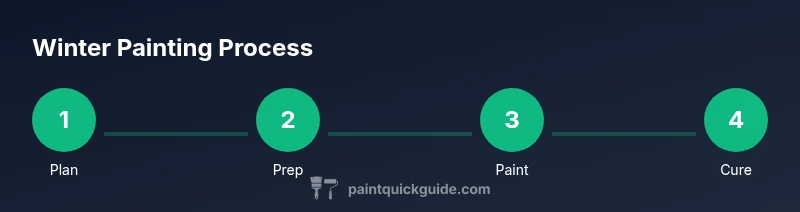
- Assess the project and choose winter-ready products. 2. Prepare the space and surface (clean, dry, and prime if needed). 3. Heat the area safely and test temperature stability. 4. Apply primer, then the first coat; allow a longer drying window. 5. Apply a second coat if required, ensuring conditions stay stable. 6. Inspect the finish after cure time and perform touch-ups as needed.
Common mistakes to avoid in winter
Avoid painting in temperatures that are too cold or on surfaces with visible moisture. Don’t rush coats—winter drying is slower, and skipping ventilation can lead to lingering odors or moisture issues. Don’t rely on fast-drying claims without verifying cure times in cold air. Finally, don’t neglect surface prep; poor adhesion often shows up as peeling or flaking after a few weeks.
Troubleshooting and aftercare
If you notice prolonged tackiness or uneven color, check the humidity and air temperature around the film. A brief additional dry time in a warmer room can help, but never force cure with direct heat. After the project, store leftovers with lids tightly sealed, label the can, and clean tools promptly. Proper curing in winter yields a more durable finish and reduces the need for early touch-ups.
Tools & Materials
- Winter-ready paint (latex/acrylic or enamel)(Choose products labeled for cold-weather use and low-odor if indoors)
- Paint brushes and rollers(Synthetic bristles are versatile for water-based paints)
- Paint tray and liners(Protect floors with drop cloths or old tarps)
- Drop cloths or plastic sheeting(Cover nearby furniture and floors completely)
- Painter’s tape(Seal edges before painting to reduce touch-ups)
- Primer (if needed)(Important for glossy or very old surfaces)
- Space heater or dehumidifier(Use with caution; never point at paint cans and ensure proper ventilation)
- Thermometer and hygrometer(Track surface temperature and humidity for best results)
Steps
Estimated time: 2-4 days total including cure time
- 1
Gather winter-ready materials
Select appropriate paints, primers, brushes, and drop cloths. Inspect labels for cold-weather performance and ventilation guidance. Gather safety gear before you start.
Tip: Keep materials organized in a single area to minimize moving between heated spaces. - 2
Check surface temperature and humidity
Use a thermometer and hygrometer to verify the surface is warm enough and the humidity is manageable. Avoid painting if the surface is damp or freezing.
Tip: Aim for a stable environment for at least a few hours before you begin. - 3
Heat the space safely
Set up a safe heating source and ensure adequate ventilation. Keep paint cans away from direct heat and maintain consistent air flow to aid drying.
Tip: Never leave heaters unattended near paint supplies or rags. - 4
Prime and apply first coat
If primer is needed, apply evenly and allow to dry per product guidance. Apply the first coat with smooth, even strokes and avoid heavy layers that crack in cold air.
Tip: Thin coats dry more evenly in winter than thick ones. - 5
Allow extended drying and second coat
Give extra time between coats to prevent tackiness. Check the finish before applying the second coat; re-warm the area if needed to maintain consistent cure.
Tip: Do not rush the second coat; winter films cure slowly. - 6
Inspect, clean up, and cure
Inspect the cured finish after the recommended cure time. Clean tools, seal cans tightly, and store safely to prevent moisture ingress.
Tip: Label leftover paint with date and room location for future touch-ups.
Your Questions Answered
Is it safe to paint when temperatures are near freezing?
Paint can perform adequately near freezing if the surface is dry and above the minimum cure temperature noted on the product. If the surface is freezing, wait for a warmer window or move indoors. Always follow label instructions and avoid exposing paint to frost.
Yes, but only if surfaces are dry and above the product's minimum temperature; otherwise, wait for a warmer window or move indoors.
Do I need special winter paints?
Winter-ready paints are formulated to tolerate cooler conditions and slower drying. Look for products that specify cold-weather performance or extended open times for winter use, and verify compatibility with primers and substrates.
Winter-ready paints are designed for cooler conditions and slower drying; check the label for cold-weather performance.
How long does winter paint take to dry and cure?
Drying and curing take longer in winter due to cooler air and higher humidity. Plan multiple days for a project and avoid stacking coats if the surface remains tacky. Cure time varies by product; always refer to the paint data sheet.
Drying takes longer in cold or humid air; plan for multiple days and follow the product's cure time.
Can I paint in a garage or unheated space?
Painting in a garage or unheated space is possible if the space is dry, free of moisture, and you can maintain a stable temp. Use proper ventilation and ensure any emissions are controlled. If temperatures cannot be kept steady, postpone exterior work.
Yes, in a dry, ventilated, and temperature-controlled garage; otherwise postpone exterior work.
What surfaces tend to fail in winter painting?
Polished or glossy surfaces, damp substrates, and previously peeling finishes are more prone to failure in winter if not properly primed or dried. Address moisture, scuffing, and adhesion issues before applying paint.
Glossy or damp surfaces need extra prep; otherwise finish may fail in winter.
How can I speed up drying safely in winter?
To help drying without risking film defects, maintain steady warmth, moderate humidity, and good air flow. Use a thermostat-controlled heater and avoid direct heat on the wet film. Do not use solvent-based accelerants unless the product explicitly allows it.
Keep warmth steady, humidity moderate, and airflow steady; avoid direct heat on wet paint.
Watch Video
Quick Summary
- Winter painting is feasible with planning.
- Choose winter-ready paints and manage temp/humidity.
- Allow extra cure time between coats for durable results.
- Indoor vs outdoor requires different strategies and safety.