Can You Paint When It's Cold? A Practical Guide to Cold Weather Painting
Can you paint when it's cold? Learn how temperature and humidity affect drying, plus a practical step-by-step guide, product choices, and safe, reliable cold-weather painting techniques.


According to PaintQuickGuide, can you paint when it's cold? Yes, you can, but success depends on selecting the right products and controlling the environment. Cold air slows drying, alters flow, and can affect adhesion, sheen, and cure times. With a warm, stable workspace and cold-weather rated paints, primers, and tools, you can achieve durable, quality results even on chilly days.
Can you paint when it's cold? What changes in cold weather
The quick answer isn't a simple yes or no; it hinges on material selection and environmental control. In cold conditions, paint behaves differently: it may flow slowly, dry times lengthen, and the binder can take longer to cure. The PaintQuickGuide team notes that while painting in cold weather is feasible, success relies on adjusting expectations, choosing cold-rated products, and maintaining a reasonably warm work area. Expect longer wait times between coats and plan for more even lighting so you can see brush marks as the film forms. Remember, can you paint when it's cold is largely about managing temperature, humidity, and surface conditions rather than forcing a standard warm-day workflow.
Begin by assessing your space: is the project indoors, in a garage, or outdoors with a canopy? If the air is too cold to comfortably touch, it’s best to warm the space or postpone non-urgent work. For interior walls, small projects, and trim, cold-weather painting is often more forgiving than exterior work, provided you respect the paint label and environment. The goal is to keep the surface dry, the air stable, and the coat thin enough to dry evenly. This thoughtful approach reduces the chance of a tacky finish or poor adhesion, making can you paint when it's cold a manageable challenge rather than a defeated one.
Temperature and humidity: the dynamic duo
Temperature and humidity do not act in isolation; they interact to shape how a film forms. Cold air slows solvent evaporation, which can extend cure times and increase the risk of dust attraction to a still-wet surface. Humidity adds another layer: high moisture can delay drying further, while very dry air may cause borrowing of pigments or brush marks to appear more prominently. The balance is to keep the work area within a forgiving window—warm enough for proper flow, but not so hot that the film cures too fast. When evaluating can you paint when it's cold, consider both air temperature and surface temperature, and adjust by moving work indoors or using a controlled space with gentle, even heat. Water-based systems are particularly sensitive to humidity swings, so monitor both conditions as you proceed.
From a practical standpoint, aim for consistent conditions during application and the first 24 hours of cure. If you suspect temperature or humidity will drift, plan the work in stages and allow longer cure times between coats. PaintQuickGuide analysis suggests that proactive environment control is often the deciding factor between a smooth finish and a recoat after a week of cold-warped film.
Paint selection and preparation for cold weather
Choosing the right paint is a foundational step for cold-weather projects. Look for formulas labeled for cold-weather use or with extended open time; these products are formulated to flow better and cure more reliably at lower temperatures. Pair cold-rated paints with a compatible primer if the surface has stains, porosity, or previous coatings that could hinder adhesion. Surface preparation remains critical: clean surfaces thoroughly, remove dust, and repair any imperfections. In cold weather, a slightly warmer surface helps the coating bond more effectively, so pre-warming the substrate with mild heat or a fast-drying primer can improve results. If you’re bridging interior and exterior tasks, follow product-specific recommendations for indoor air quality and ventilation. PaintQuickGuide emphasizes testing a small patch first to confirm that the finish adheres well and dries uniformly before committing to a full project. The right combo of low-temperature paint and careful prep can turn a chilly day into a productive painting session.
Primes and finishes may have different behavior in cold conditions. For example, some primers create a better seal in cold air, reducing blotching and slow flow. Always read manufacturer guidelines to ensure you select compatible products and to understand recoat times in cooler climates. In addition, check that the substrate is dry and free of moisture before applying primer or paint; moisture trapped under the film can cause blistering and failure over time.
With the right products and preparation, you’ll find that can you paint when it's cold becomes a structured, repeatable process rather than an exception. This approach helps maintain color accuracy, gloss retention, and film integrity even when the thermostat dips.
Application techniques in cold weather
Technique matters as much as product choice when painting in cold weather. Apply thin coats with steady, even strokes to reduce the risk of lap marks and uneven drying. Maintain a consistent distance from the surface to avoid heavy accumulations that would dry unevenly. Use a longer tack-free time if your paint requires it, and avoid overworking the film which can lead to fiber lift in cooler temperatures. When possible, pour paint into a warmed tray or container to minimize the chill factor transferring to the coat. If brushing, work with the grain and prioritize maintaining a wet edge to prevent visible brush marks as the film sets.
The first coat should be allowed to dry thoroughly before applying a second coat, and expect longer dry times. If you notice the surface remains tacky beyond expected intervals, stop and reassess your environment—dust, humidity, or air movement can all shift cure dynamics in cold conditions. For those wondering about can you paint when it's cold, patience and controlled conditions beat rushing a finish that won’t cure properly. Avoid using fast-drying accelerants in closed indoor spaces, as fumes can accumulate and affect indoor air quality. Always follow label directions to achieve reliable results and minimize the need for touch-ups later.
In many cases, back-rolling or gently re-wetting a thin coat can help even out shear and sheen across a cool surface. This technique, when paired with correct open times, can yield a smooth, professional-looking finish in a cold environment. If you’re finishing a large area, break the job into sections and maintain heat and ventilation in the workspace to keep conditions balanced as you work.
Safety, ventilation, and surface prep in cold weather
Working in cold weather doesn’t mean bypassing safety or ventilation; it means adapting. Ensure adequate ventilation to disperse fumes from solvents or varnishes, and keep heat sources away from flammable materials. If you’re using heaters to create a workable environment, position them to avoid direct heat on the paint film, and never leave any heating device unattended. Wear appropriate PPE: gloves, eye protection, and a respirator or mask when sanding or applying solvent-based products. Comfortable, stable temperatures reduce the risk of cold-related numbness that could affect your painting precision, so take short breaks to warm up if you’re working in a chilly space. Surface prep remains essential: clean, dry, and lightly sand glossy areas to improve adhesion. In cold weather, thorough dust removal is crucial because a fine layer of dust can stand out once the surface dries.
If you’re unsure about the best approach for your space, start with a small test patch, observe how the paint behaves, and adjust your method accordingly. While can you paint when it's cold is doable, safety and finish quality depend on proactive planning, proper PPE, and a well-ventilated, temperature-controlled workspace. When in doubt, consult the product label and seek guidance from experienced painters who have worked in similar conditions.
Practical workflow and scheduling for cold days
A practical workflow for cold days emphasizes planning, staging, and pacing. Begin by moving as much work as possible indoors or into a heated area, bringing all required tools and materials to the workspace. Schedule painting during the warmest part of the day if indoors, and plan the project around the expected cure times: you may need longer gaps between coats and more time for the final cure. Create a simple checklist for surface prep, primer, base paint, topcoat, and clean-up, and track the temperature and humidity at key stages to know when you can proceed. If you’re working on a larger project, split the job into zones to maintain consistent conditions throughout each stage, minimizing the risk of uneven results.
Remember: can you paint when it's cold is a solvable puzzle when you approach it with deliberate steps, the right products, and a controlled environment. Build a small buffer into your schedule to accommodate longer cure times and possible rework. A well-planned cold-weather painting project can deliver a durable, even finish, with careful attention to detail and environmental management.
Tools & Materials
- Paints labeled for cold-weather use(Check minimum application temperature on the label and confirm compatibility with your surface.)
- Cold-rated primer(Use a primer proven to bond at lower temperatures and on the substrate you are painting.)
- Surface cleaner and rust/blemish filler(Ensure surfaces are clean and repaired before painting.)
- Rollers, brushes, and trays(Choose tool sizes suitable for the project; keep tools warm to improve flow.)
- Drop cloths and plastic sheeting(Protect floors and nearby surfaces from drips and dust.)
- Thermometer and hygrometer(Monitor air and surface temperatures and humidity to stay in the ideal range.)
- Space heater or portable heater (with ventilation)(Provide gentle heat in a controlled space; never point heat directly at paint cans or dry film.)
- Respiratory protection and safety gear(Wear a respirator or mask when sanding or using solvent-based products.)
Steps
Estimated time: 6-8 hours
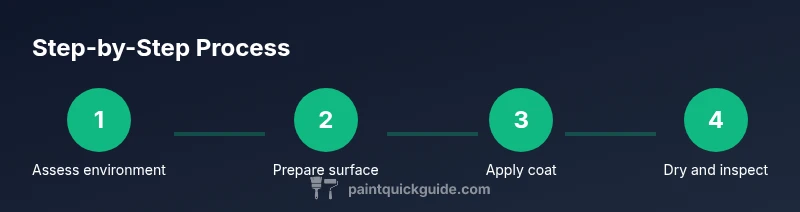
- 1
Assess environment and prepare space
Check ambient and surface temperatures, humidity, and ventilation. Decide whether to move the project indoors or into a heated area. Prepare drop cloths and gather tools. This step sets expectations and reduces cold-related issues.
Tip: Have a warm, stable space available before you begin. - 2
Prep surface and repair as needed
Clean the surface, repair any cracks or imperfections, and lightly sand glossy edges for better adhesion. Ensure the substrate is dry before priming. Cold surfaces can trap moisture and affect bonding.
Tip: Apply primer to achieve a uniform base and monitor drying before proceeding. - 3
Select compatible cold-weather products
Choose paints and primers labeled for cold weather and compatible with each other. Confirm open time and recoat guidelines. Test a small patch if possible.
Tip: Always verify compatibility on a sample area before full-scale use. - 4
Set up controlled application conditions
Position the workspace to minimize drafts and maintain a steady temperature. Place a thermometer near the surface and control humidity where feasible.
Tip: Avoid direct heat on the finish and ensure adequate ventilation. - 5
Apply thin coats with wet-edge technique
Apply light, even coats to prevent heavy, slow-drying areas. Keep a consistent pace and maintain a wet edge to reduce lap marks as the film cures.
Tip: Do not overwork the film; stop to check for uniform coverage. - 6
Allow longer cure times between coats
Expect extended cure times and adjust plans accordingly. Recoat only when the first coat is sufficiently dry to avoid mudding the surface.
Tip: Plan additional buffer time for cure, especially in high-humidity spaces. - 7
Final inspection and cleanup
Inspect color, sheen, and adhesion after curing. Clean tools and store paints properly, ensuring lids are sealed to prevent temperature-driven separation.
Tip: Document any issues for future projects to improve cold-weather prep.
Your Questions Answered
Can you paint when it's cold?
Yes, you can paint in cold weather with the right products and environment. Expect longer dry times and adjust your workflow accordingly to maintain adhesion and finish quality.
Yes, you can paint in cold weather with the right products and environment. Expect longer dry times and adjust your workflow accordingly.
What is the best temperature for painting?
Follow the paint label for the minimum application temperature and curing times. If the space is cooler than recommended, consider warming the area or postponing non-urgent work.
Follow the paint label for the minimum application temperature and curing times; if it's too cold, warm the space or postpone.
How long does paint take to dry in cold weather?
Dry times extend in cold weather and higher humidity. Always refer to the product label for guidance, and plan extra time between coats.
Dry times extend in cold weather; consult the label and plan extra time between coats.
Should you use interior or exterior paint in cold days?
Use the product intended for the surface and environment. Exterior paints can be used indoors if labeled for cold weather and appropriate ventilation is maintained.
Use the product designed for the surface; exterior paints can work indoors if labeled for cold and ventilation is good.
Can you speed up drying in cold conditions?
Avoid heat accelerants in enclosed spaces and rely on proper airflow and temperature control. Rushing can trap moisture and cause defects.
Avoid accelerants in closed spaces; instead, manage airflow and temperature for proper drying.
What safety steps are essential in cold-weather painting?
Ventilate the space, wear PPE, and keep heat sources away from flammable materials. Stop if you smell fumes or see signs of condensation on surfaces.
Ventilate, use PPE, and keep heaters away from paint. Stop if fumes or condensation appear.
Watch Video
Quick Summary
- Plan for longer dry times in cold weather.
- Choose cold-weather paints and primers.
- Control workspace temperature and humidity.
- Test a patch before full project.
- Follow manufacturer guidelines for best results