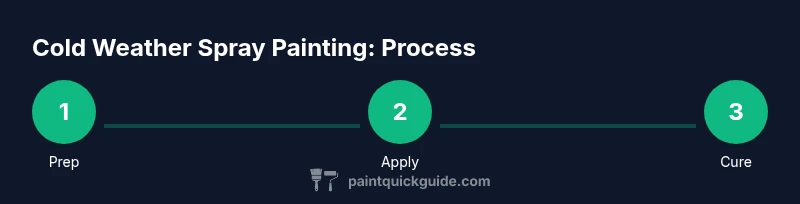
Is it ok to spray paint in cold weather? A practical guide
Explore how to spray paint safely in cold weather, with temperature guidelines, surface prep, and step-by-step techniques for homeowners and DIY enthusiasts.


In short, yes—spray painting in cold weather is possible, but not ideal. Cold temps slow solvent evaporation, affect adhesion, and can lead to a less durable finish if you don’t adapt. The key is to keep the surface and air within the paint’s recommended range, use cold-weather formulations, and extend drying times.
Is it ok to spray paint in cold weather?
According to PaintQuickGuide, applying spray paint in cold weather is possible but demands extra precautions. Colder air slows solvent evaporation, which can extend cure times and affect finish quality. Surfaces must be dry and free of frost, and the ambient temperature should be within the paint’s recommended range whenever possible. In practice, you’ll often need to warm both the workspace and the object, use paints formulated for cold-weather application, and allow longer drying times. With careful planning, DIYers can achieve durable, professional-looking results without waiting for perfect summer conditions.
How temperature affects spray paint performance
Temperature influences evaporation rate, flow, and cure. In cold weather, solvents evaporate slowly, which can cause runs or dull finishes if coats are too thick or if coats are applied too quickly. Low temperatures can also reduce adhesion on some substrates, especially if the surface is not properly prepped. Humidity and dew point further complicate things, creating a risk of defects like fisheye or mottling when the surface has moisture. Understanding these dynamics helps you set realistic expectations and adjust technique accordingly.
Choosing paints and primers for cold weather
Select paints and primers rated for cold-weather application. Look for cans labeled with a minimum application temperature and ensure the product is suitable for the substrate (wood, metal, plastic). For exterior projects in winter, consider using products designed to cure at lower temperatures and to resist condensation. Primers matter too—choose a primer compatible with cold-weather paints and with good adhesion at cooler temps. PaintQuickGuide Analysis, 2026 shows that using the right combination of paint and primer can mitigate adhesion issues in chilly conditions and improve the final appearance.
Preparing the space: ventilation and comfort in winter
Ventilation remains essential even when painting in cold weather. Work outdoors when possible, or in a well-ventilated garage or workshop with a controlled airflow. Use fans to move air but avoid directing hot fumes toward you. If you’re heating the space, use a purpose-built heater and never run it indoors in an enclosed, unventilated area. Maintain a comfortable temperature to keep you steady and reduce the risk of condensation forming on damp surfaces.
Surface prep in cold weather
Thorough prep is more critical in cold temps. Clean surfaces to remove oils and dust, then degrease metal or glossy surfaces to improve adhesion. Lightly scuff glossy finishes with fine-grit sandpaper and wipe away dust before priming. Dry surfaces are non-negotiable—any moisture can ruin a finish. If you must work in a damp environment, temporarily dry the area with towels or a dehumidifier and re-check the surface temperature before application.
Application techniques for low temps
Keep your spray can at a comfortable working temperature (ideally around 60–70°F/15–21°C) before use. Apply thin coats with even, sweeping passes, keeping the distance about 8–12 inches from the surface. Short, controlled passes help reduce runs. Shake the can frequently to ensure pigment suspension remains uniform in colder air. If you notice droplets, slow down and mist the surface rather than applying a heavy coat.
Drying and curing in cold weather
Expect longer drying and curing times. Refrain from handling the item until the finish feels tack-free at the surface, then allow additional curing time in a dust-free area. If temperatures dip, the film may stay pliable longer, increasing the risk of fingerprints or impressions. If feasible, bring the item indoors or into a heated space for the initial cure and finish in a cooler but dry environment.
Safety considerations when spraying in winter
Wear an appropriate respirator or mask, eye protection, and gloves. Work with good ventilation to avoid inhaling fumes, and never spray near an open flame or device producing sparks. Use a drop cloth and masking tape to protect adjacent surfaces. Store paint safely in a temperate spot to prevent thickening and clogs, and properly dispose of rags and used liners to reduce fire risk.
Common mistakes and how to avoid them
Common errors include applying too thick a coat, ignoring the can’s minimum temperature recommendations, and neglecting surface prep. In cold weather, it’s tempting to rush; resist this impulse. Always test spray on a scrap piece first, and keep coats thin with longer drying intervals. Plan for a longer cure time and double-check surface moisture before applying the final coat.
Practical winter painting checklist
- Confirm minimum and maximum application temperatures are observed.
- Prepare surface with cleaning, degreasing, and light scuffing.
- Warm the work area and surface safely; ensure adequate ventilation.
- Apply multiple thin coats with adequate dry times.
- Complete a full cure in a dry, controlled environment before handling.
- Protect surrounding areas from overspray with masking and drop cloths.
Maintenance and post-paint care
After painting, monitor the finish in the weeks following cure. Cold conditions can leave finishes susceptible to chipping if the substrate flexes or if the paint is not fully cured. If you notice issues, lightly sand the area and re-coat with the same cold-weather formula, ensuring temperatures remain within the recommended range. Long-term durability improves with proper curing density and consistent environmental conditions.
Real-world scenarios: Indoor vs outdoor winter painting
Indoor winter projects benefit from stable temperatures and controlled humidity, but ventilation remains essential. Outdoor winter projects require a dry, wind-sheltered site and a plan for rapid, thin coats to counteract wind chill and dew. In either case, prioritize products rated for cold application and adjust your technique to the environment. Practically, indoor spaces with forced ventilation and a gentle heat source can yield reliable results when you follow best practices.
Tools & Materials
- Spray paint rated for cold-weather use(Check the label for a minimum application temperature and substrate compatibility)
- Primer compatible with cold-weather paints(Choose a primer that bonds well at lower temps)
- Degreaser or surface cleaner(For removing oils and prepping non-porous surfaces)
- Masking tape and drop cloths(Protect surrounding surfaces from overspray)
- Fine-grit sandpaper (e.g., 400-600 grit)(Lightly scuff glossy surfaces for better adhesion)
- Nitrile gloves and eye protection(Safety first when handling chemicals)
- Respirator or mask(Use a respirator rated for organic vapors if indoors)
- Digital thermometer or dual-temp gauge(Monitor ambient and surface temperatures)
- Ventilation fan or air mover(Keep air moving to reduce fume buildup)
- Portable heater or heat lamp(Only in well-ventilated areas and never unattended)
- Paint stirrers and cleaning solvent(To maintain consistent spray flow and clean can promptly)
Steps
Estimated time: Estimated total time: 2-6 hours active painting, plus 24-72 hours curing depending on temperature and humidity.
- 1
Check temperatures and plan the window
Measure ambient air and surface temperatures. If either is outside the paint’s recommended range, adjust by warming the space or delaying the project. Short, overlapping planning saves time and reduces the risk of a failed finish.
Tip: Target a minimal working range from the product label and keep a thermometer visible during work. - 2
Prepare the surface thoroughly
Clean, degrease, and lightly sand to create a grip for the coating. Dry the surface completely before priming. Moisture or oils in the surface will sabotage adhesion.
Tip: Wipe with a tack cloth after sanding to remove fine dust. - 3
Warm the work area safely
If possible, use a heater in a ventilated space to raise ambient temperature. Avoid direct heat aimed at the object; radiant heat can cause uneven drying and scorching.
Tip: Keep a safe clearance around any heat source and never leave it unattended. - 4
Shake, strain, and test spray
Shake the can for 2-3 minutes and test spray on a scrap. Cold temperatures can cause inconsistent spray patterns; testing helps you gauge flow before the main surface.
Tip: If flow is inconsistent, warm the can slightly in your hands for 1–2 minutes. - 5
Apply thin coats with even passes
Hold the can about 8–12 inches from the surface and apply light, even coats. Allow surface to dry to a tack before proceeding to the next coat; multiple thin coats beat one thick coat.
Tip: Keep strokes consistent and avoid overbuilding on the first pass. - 6
Monitor drying and cure times
Expect longer dry times in cold weather. Do not handle the item until the finish is fully cured to prevent fingerprints or scuffs.
Tip: If you need to speed up, increase air flow rather than raising surface temperature beyond label limits. - 7
Final checks and cleanup
Inspect for pinholes or uneven gloss. Remove masking tape carefully after the final coat has firmed. Clean tools promptly to maintain spray efficiency for future projects.
Tip: Document the dates of painting for future maintenance planning.
Your Questions Answered
What is the safe minimum temperature for spray painting?
Most spray paints list a minimum application temperature on the can. If temperatures approach or fall below this limit, performance can decline and finishes may be inconsistent. In cold weather, you should plan to work within the labeled range and avoid applying when conditions fall outside it.
Check the can label for the minimum temperature and stay within that range to avoid finish problems.
Can I use a space heater to warm the painting area?
Yes, but only in a well-ventilated area and never unattended. Use a heater designed for indoor use and keep it away from flammable materials. Ventilation remains essential to avoid fume buildup.
Use a ventilated space and a safe indoor heater; never leave it unattended.
Will cold weather affect adhesion and finish?
Cold temperatures can reduce adhesion and cause longer drying times. Proper surface prep, using cold-weather formulations, and thin coats help mitigate these effects.
Yes, cold weather can affect adhesion, but careful prep and technique can mitigate it.
Is it better to spray indoors or outdoors in winter?
Indoors in a well-ventilated space is often preferable in winter due to temperature stability, but ensure adequate ventilation and avoid moisture buildup. Outdoors is possible in calm conditions with shelter from wind and moisture.
Indoor with ventilation is often best, but outdoors can work with shelter.
Should I wait longer between coats in cold weather?
Yes. Colder temps slow drying, so extend the interval between coats beyond typical room-temperature guidelines. Use tack-free tests to gauge readiness before applying the next coat.
Wait longer between coats in cold weather to ensure proper drying.
Are there paints designed specifically for cold-weather spray painting?
Yes, many brands offer cold-weather compatible paints and primers. Look for products explicitly rated for low-temperature application and compatible substrates.
Yes, choose paints labeled for cold-weather use.
Watch Video
Quick Summary
- Verify temperature ranges for the chosen paint and surface.
- Use thin coats and proper ventilation to avoid defects.
- Allow extra curing time in cold weather for durability.
- Choose cold-weather rated products and follow safety precautions.
- Plan for workspace warming and surface prep to improve results.