Is It Paint or Stain? A Practical DIY Guide
Learn the differences between paint and stain, when to use each, and how to prep, apply, and maintain them in this practical PaintQuickGuide comparison for homeowners, DIY enthusiasts, and auto refinishing hobbyists.


Is it paint or stain? The short answer is that paint provides opaque color and strong protection, while stain highlights natural wood grain with lighter protection. For walls, trim, and cabinets, paint is usually the better choice; for bare wood where grain matters, stain offers a more natural look. This article compares surface types, prep, durability, and cost to help you decide.
Is It Paint or Stain? Defining the Difference
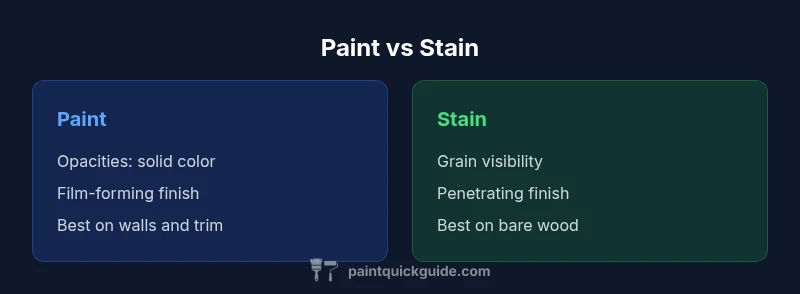
In DIY projects, the question is often phrased as is it paint or stain, but the real distinction lies in color opacity, surface coverage, and how the product interacts with the substrate. Paint is formulated to form a film on the surface, providing an opaque layer that can completely hide the grain and imperfections. Stain penetrates the surface, letting wood grain show through while offering color tint and some level of protection. In practical terms, think of paint as a shield and stain as a dye plus sealer. Understanding this fundamental difference helps you plan prep steps, choose primers, and forecast maintenance. For homeowners and auto refinishing hobbyists, the choice also depends on the intended aesthetic—whether you want a solid color or a natural wood look—and the environment (indoor vs outdoor, high humidity, or frequent cleaning).
Core Differences: Coverage, Color, Grain, and Durability
Opacity, color depth, and grain visibility are the most immediate differences. Paint forms a continuous film that masks sub-surface texture and wood grain while delivering a uniform color. Stain, by contrast, soaks into the fibers and leaves the grain visible, producing a translucent or semi-translucent color layer. Durability and maintenance follow similar logic: paint typically offers greater surface protection against moisture and cleaning cycles, while stain relies on the wood’s own surface for appearance and may require reapplication sooner in harsh climates. The choice depends on your priorities: bold color with easy spot repairs (paint) or a natural look with preserved texture (stain).
Paint: Best Uses and Surfaces
Paint excels on flat surfaces where a clean, uniform appearance is desired. Interior walls, ceilings, and trim benefit from a solid color that covers defects and creates a smooth visual plane. Exterior siding, doors, and panels often rely on paint for weather resistance, color longevity, and easier cleanability. Cabinets and furniture can also be painted to achieve modern, bright aesthetics, especially where moisture exposure or frequent cleaning demands easy maintenance. Two common routes are latex/acrylic water-based paints for lower odor and cleanup ease, and alkyd/oil-based paints for hard-wearing, glossy finishes. Prep steps—washing, sanding, priming—are standard, and the right primer enhances adhesion and pigment performance.
Stain: Best Uses and Surfaces
Stain is ideal when you want to preserve natural wood grain and add color without concealing texture. It’s commonly used on decks, siding made of wood, cabinets with a wood surface, and indoor wood trim where the grain is part of the aesthetic. Stain penetrates wood fibers, often requiring fewer coats than paint for the initial color. Penetrating stains with UV blockers can help reduce graying and drying cracks, though you should still plan for maintenance and possible top coats in exposed areas. Semi-transparent stains offer color while preserving grain; solid stains provide heavier color without forming a full film, a middle ground between paint and sheer stain.
Prep, Primers, and Application: Step-by-Step
Preparation is the single most important factor in a durable finish. For paint, start with cleaning, sanding smooth, and repairing surface flaws. Use a bonding primer on bare wood or problematic surfaces to ensure adhesion and even color. For stain, cleaning and light sanding to remove rough grain encourages even penetration, and you may apply a stain conditioner on blotchy woods to reduce uneven absorption. Always follow product-specific instructions for mixing (if required), application tools (brush, roller, or sprayer), and recommended number of coats. Temperature and humidity influence drying times; aim for moderate conditions and adequate ventilation.
Product Types: Choosing the Right Paint or Stain
Paint choices include water-based latex/acrylics with low odor and easy cleanup, and oil/alkyd-based paints noted for durability and a hard finish. For stains, options range from penetrating oils and waterborne stains to gel stains; translucent varieties emphasize grain while semi-transparent and solid stains provide increasingly opaque color. Primer compatibility matters: use a primer designed for the surface and chosen finish to maximize adhesion and color stability. Environmental factors, such as sun exposure and moisture, guide the selection of UV blockers, water resistance, and mildew inhibitors.
Cost, Maintenance, and Longevity
Cost and maintenance considerations vary by product quality, substrate, climate, and surface exposure. In general, higher-quality paints offer longer color life and better washability, while stains may require more frequent reapplication in harsh weather. Exterior surfaces often demand UV-resistant finishes and proper sealers, while interior wood surfaces prioritize ease of cleaning and resistance to wear. Planning recoats and choosing between solid colors and translucent options help balance upfront cost with long-term maintenance.
Getting Practical: 5 Real-World Scenarios
- You’re repainting an interior living room with drywall and smooth plaster: paint is usually the preferred option for color, coverage, and washability. 2) Restoring a wooden porch with visible grain: a semi-transparent stain may offer a natural appearance with adequate protection. 3) Renovating kitchen cabinetry: paint can provide a durable, glossy finish that resists fingerprints; consider higher-performance primers and topcoats. 4) Refinishing a wooden deck: a penetrating stain or solid stain with proper sealing can preserve wood texture while reducing maintenance burdens. 5) A mixed surface project (wood siding with plaster accents): a hybrid approach may be possible, applying stain on wood areas and paint on plaster zones, ensuring primers and compatibility.
Comparison
| Feature | Paint | Stain |
|---|---|---|
| Opacity / Coverage | High opacity; hides grain and imperfections | Low to medium opacity; preserves grain |
| Finish/Look | Solid color, matte to high-gloss | Natural wood look with color tinting |
| Durability & Maintenance | Strong moisture protection with top coats; longer intervals between full re-coats | Requires more frequent maintenance in harsh climates; may need top coats for durability |
| Best Surfaces | Walls, trim, cabinets, metal and masonry with bonding primers | Bare wood, decks, outdoor furniture, and rough-sawn surfaces |
| Prep & Primers | Priming recommended on bare wood or flaws; bonding primers for some substrates | Minimal priming on smooth wood; stain conditioners on blotchy woods often helpful |
| Color Range | Very broad; opaque colors with consistent coverage | Broad color range but transparency varies with wood and species |
| Cost & Coverage | Higher upfront cost per gallon but good coverage per coat | Lower initial cost per coat; may require more coats or maintenance |
Upsides
- Wide color options and uniform finish with paint
- Strong surface protection against moisture and cleaning cycles
- Preserves natural grain with stain when grain visibility is desired
- Availability of low-VOC and eco-friendly products
- Good long-term durability with proper maintenance
What's Bad
- Paint can obscure grain and require more prep on textured surfaces
- Stain offers less color opacity and protection on high-traffic surfaces
- Repainting or resealing may be needed after several years depending on climate
- Some stains can raise blotching on soft woods without conditioner
Paint generally offers stronger color coverage and protection for most surfaces, while stain preserves natural grain and is best for wood; choose based on your priority.
If your priority is a solid, durable color that’s easy to clean, paint is usually the better pick. If you want to showcase wood grain and a more natural look, stain is often the right choice. Assess your surface, climate, and maintenance willingness to decide.
Your Questions Answered
What is the fundamental difference between paint and stain?
Paint forms a protective film and hides wood texture with opaque color. Stain penetrates the wood, allowing grain to show through with tinted color. Your decision should hinge on whether you want full coverage or grain visibility.
Paint covers; stain reveals grain, so choose based on whether you want a solid color or natural wood texture.
Can you apply stain over a painted surface?
In most cases, staining over painted surfaces is not recommended because the paint film must be fully prepared for adhesion. Stripping or sanding to a bare wood or smooth receiving surface is often required before applying stain.
Usually you need a clean, bare surface or a properly prepared substrate before staining over it.
Is stain better for exterior decks?
Yes, many homeowners prefer stain for decks to preserve wood grain and reduce the chance of peeling, but the choice depends on the wood type and climate. Semi-transparent or solid stains are common options for outdoor wood.
Stains are popular on decks for grain visibility and easier re-coating.
Does paint or stain affect wood grain visibility?
Stain enhances grain visibility, while paint typically hides grain completely. If grain prominence matters, stain or a semi-transparent option is best. For a smooth, grain-free look, paint is preferred.
Choose stain for grain; paint hides grain for solid color.
What preparation steps are needed before painting or staining?
Cleaning and smoothing the surface are essential. Paint requires priming on bare wood or problematic surfaces, while stain needs a clean, sanded surface and sometimes a conditioner for blotchy woods.
Clean and sand; priming for paint, conditioning for blotchy woods when staining.
Are there low-VOC options for both products?
Yes, there are low-VOC paints and water-based stains designed to minimize emissions while delivering durable finishes. Check product labels for VOC ratings and indoor air guidelines.
Yes, look for low-VOC labels when selecting paint or stain.
Quick Summary
- Define your priority: color coverage vs grain preservation
- Assess surface type before choosing: walls vs bare wood
- Plan maintenance: coatings wear differently by product
- Test samples on a small area before full application
- Consider hybrid approaches only when substrates are compatible