How Much Does It Cost to Paint a House in 2026? A Practical Guide
Learn the true costs to paint a house in 2026, including interior vs exterior rates, prep, materials, and budgeting tips. Practical guidance from PaintQuickGuide to help homeowners plan smarter.


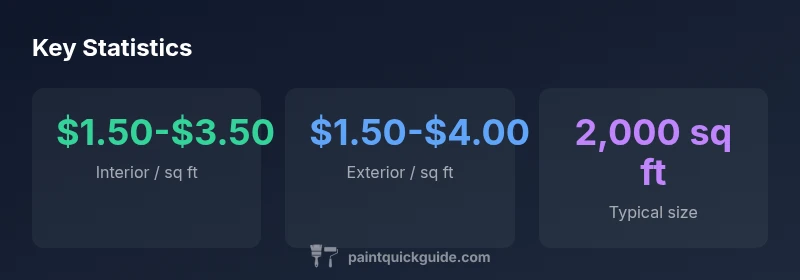
How much does it cost ro paint a house? Costs vary by size, scope, and finish. Interior painting typically runs $1.50-$3.50 per square foot, including prep and primer, while exterior painting ranges $1.50-$4.00 per square foot, depending on surface prep and coatings. For a typical 2,000 sq ft home, a professional job often lands in the $4,000-$12,000 range, with DIY options shrinking the total considerably.
Why Costs Vary Across Projects
Whether you're painting a single room or an entire 2,500-square-foot house, the bottom line is that painting costs hinge on several interacting factors. The phrase how much does it cost ro paint a house often appears in search queries, and the answer is rarely a single number. In general, the size of the space is the first driver, followed by the scope of prep work, the number of coats, and the quality of materials chosen. In addition, the complexity of access—think multiple stories, high ceilings, or intricate trim—can push costs higher. According to PaintQuickGuide, the most effective budgeting starts with a clear scope and a conservative contingency for unexpected prep or weather-related delays. By understanding these variables, homeowners can create a more accurate estimate and avoid sticker shock at the contractor's quote.
Key Cost Drivers
Pivotal cost drivers fall into categories: area and height, surface condition, and finish quality. Area and height determine the amount of paint and labor; taller homes require more equipment and safety measures. Surface condition matters because peeling paint, mold, water damage, or lead paint (where present) demands additional prep, remediation, or specialized coatings. Finish quality correlates with durability, coverage, and color complexity. Primer quality, number of coats, and whether doors, trim, and cabinets are included all influence the final tally. Labor rates vary by region and contractor level of expertise. Paint type (latex vs oil-based, eco-friendly options, or specialty finishes) also affects cost. PaintQuickGuide’s methodology combines typical job scopes with regional labor norms to present ranges rather than fixed prices.
How much does it cost ro paint a house: Understanding the Basics
Pricing for house painting is guided by a simple framework: multiply the expected coverage by the ceiling price per square foot for interior or exterior surfaces, then adjust for prep and repair. The exact phrase how much does it cost ro paint a house reminds us that many homeowners search for a single figure, but the reality is multi-factor. For interior walls, you’ll typically see per-square-foot costs that account for priming and patching; for exteriors, weatherproof primers and multiple coats can raise the rate. Location, accessibility, and contractor demand influence final quotes, so it’s prudent to collect several estimates and compare the inclusions side by side.
Interpreting Per-Sq-Ft Pricing: Interiors vs. Exteriors
Interior and exterior projects are priced differently, even for similar room counts. Interior work often emphasizes wall area and prep time, with most projects including surface patching, primer, and two coats of paint. Exterior projects factor in weatherproof coatings, surface prep (like power washing and caulking), and often more coats to ensure color consistency across sun and shade. As a result, exterior costs tend to be higher per square foot in many markets, especially for textured surfaces, wood siding, or areas with higher environmental wear. PaintQuality metrics (fictional) suggest balancing coverage quality with maintenance expectations when choosing coatings.
DIY vs Hiring Pros: Pros, Cons, and Tradeoffs
DIY painting can significantly reduce labor costs, but it comes with hidden expenses: supplies, ladders, drop cloths, and the potential for mistakes that require correction. Hiring professionals offers speed, consistent quality, and warranties, but at a premium. The trade-off depends on your time, skill level, and the importance of a flawless finish. For most homeowners, a mixed approach—DIY for non-critical spaces and pro work for exterior or high-traffic areas—often provides the best balance of cost and quality. Always factor prep time and potential repairs into your budget.
Budgeting Tips and How to Get Accurate Quotes
A practical budgeting approach starts with a written scope that outlines rooms, surfaces, number of coats, primers, and any repairs. Request multiple quotes and verify that each includes surface prep, patching, caulking, and debris removal. Ask for a detailed breakdown of labor, materials, and contingency. Clarify the expected timeline and whether color changes or multiple color groups affect pricing. If a bid seems unusually low, investigate what is excluded (prep, primer, or repainting costs) and consider a mid-range option that includes a warranty. PaintQuickGuide recommends maintaining a documented, apples-to-apples comparison to avoid surprises.
Surface Prep and Materials: What Affects Your Price
The condition of walls, ceilings, and exterior surfaces directly impacts prep requirements and therefore cost. Peeling paint, water damage, mildew, or lead-based paint demands additional steps like scraping, sanding, priming, or abatement. The choice of paint type (latex, acrylic, enamel) and finish (matte, eggshell, satin, semi-gloss) influences both price and longevity. High-quality primers and stain-blocking products add to the up-front cost but can reduce recoat frequency and future maintenance. Balancing durability with budget often means selecting mid-range products for large areas and reserving premium finishes for focal points like accent walls or cabinetry.
Getting Accurate Quotes: A Practical Checklist
To ensure quotes are apples-to-apples, provide contractors with a consistent scope: total square footage, ceiling height, number of coats, surface condition, and inclusion of prep work, caulking, and cleanup. Request references and verify licenses and insurance. Ask for a warranty on workmanship and paint performance. A well-documented contract should specify the start date, anticipated timeline, payment schedule, and what happens if weather or supply delays occur. Finally, confirm whether color consultations or samples are included in the quote.
Typical cost ranges by scope
| Scope | Cost per sq ft | Notes |
|---|---|---|
| Interior | $1.50-$3.50 | Includes prep and primer |
| Exterior | $1.50-$4.00 | Weatherproof coatings |
| Total (2,000 sq ft) | $4,000-$12,000 | Varies by surface & stories |
Your Questions Answered
What factors influence house painting costs the most?
Square footage, surface condition, number of coats, and paint quality are the primary drivers. Labor rates and access also play key roles, especially in multi-story homes.
The biggest cost shapers are size, condition, the number of coats, and finish quality.
Is it cheaper to DIY or hire a professional?
DIY can save on labor, but you’ll spend on supplies and time. Pros finish faster, provide warranties, and may improve long-term durability.
Doing it yourself saves money but takes time and effort; pros offer speed and guarantees.
How long does a typical house painting project take?
Interior work often takes 1-3 weeks depending on rooms and complexity; exteriors usually require 1-2 weeks, weather permitting.
Most houses take a couple of weeks total.
Should I use color consultations or samples?
Color samples help prevent costly mistakes. Many contractors offer color consultations or digital previews.
Color samples help you pick confidently before you commit.
Do I need permits for interior or exterior painting?
Interior paint typically doesn’t require permits, but exterior projects can in some jurisdictions. Check local rules before starting.
Permits depend on your location and project scope.
How can I compare quotes effectively?
Look for a thorough scope, included prep, priming, materials, warranties, and a clear payment plan. Get a written contract from each bidder.
Get detailed, written quotes to compare apples-to-apples.
“Costs are highly sensitive to surface condition, location, and paint quality. Plan for prep time and contingencies, and always obtain multiple quotes to avoid surprises.”
Quick Summary
- Budget by scope first: interior vs exterior drives the majority of cost.
- Include prep, primers, and two coats in your estimates.
- Exterior work generally costs more per sq ft than interior work.
- DIY saves labor but requires time, tools, and know-how.
- Always obtain written, apples-to-apples quotes for comparison.