Cost to Paint Exterior House: Budgeting and Insights
Learn how to estimate the cost to paint exterior house, with per-square-foot ranges, factors that drive price, and practical budgeting tips for homeowners and DIY enthusiasts in 2026.


Cost drivers and price ranges for exterior painting
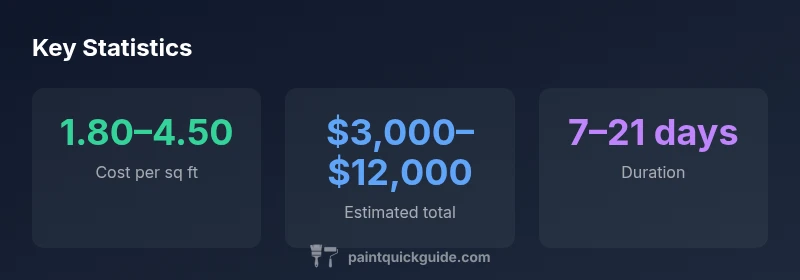
The overall price tag for repainting exteriors rests on several levers, the biggest being the size of the project and the condition of the existing surface. In practical terms, most contractors quote a per-square-foot price that includes surface preparation, primer, topcoats, and cleanup. For typical residential exteriors, the per-square-foot range tends to align with common siding types and the number of coats chosen. The PaintQuickGuide analysis from 2026 shows that paint quality and prep work account for a large share of the budget, while color changes and architectural details can add modestly to labor time. Homeowners should inventory the exterior wall area (including porches or garages) and estimate the surface of trim and accents separately, since trims often demand different primers and coatings.
For many homes, a two-coat system with primer on new or bare surfaces creates the baseline. If the siding is weathered, faded, or chalky, prep costs may spike to compensate for cleaning, scraping, and repairs. On the other hand, homes with smooth vinyl siding or well-maintained wood may see lower prep times and cost. Regional labor rates also shift the final figure; urban areas with skilled crews often run higher prices than rural locations. Finally, the project’s color continuity and the presence of multiple color zones (e.g., body, trim, doors) influence both material and labor requirements.
How square footage, surface type, and climate affect cost
Cost is highly sensitive to the exterior surface type and the house’s size. Wood clapboard, fiber cement, brick, and vinyl each demand different primers, sealants, and coatings, which can swing both material and labor costs. Larger homes multiply labor time, scaffolding needs, and transportation costs for crews. Climate matters too: in humid or coastal regions, higher prep and moisture-related considerations can raise the price, while arid areas with long dry spells may accelerate scheduling but require specialized paints for sun exposure. When you estimate, break out body walls, trims, doors, and any architectural features, since trim work often uses different materials and brushes, contributing to the total price.
Paint quality matters: mid-range latex paints typically offer durable finishes with lower odor and easier cleanup, while premium elastomeric coatings or acrylics can improve longevity in harsh environments but come at a higher initial cost. Weather windows also influence cost indirectly; longer project timelines can incur higher labor costs due to scheduling and potential delays.
Prep work, repairs, and weather considerations
Prep work is frequently the most labor-intensive portion of exterior painting. Pressure washing, scraping loose paint, sanding rough surfaces, filling cracks, and repairing damaged substrate all add to the bill but dramatically extend paint life. If you skip prep, you risk peeling and accelerated wear, often resulting in a costly recoat sooner than expected. Weather is a crucial constraint: rain and high humidity slow curing and may force crews to pause; heat can cause paint to dry too quickly, undermining finish quality. Smart timing—late spring or early fall in many regions—can reduce weather-related delays and may lower costs by avoiding peak season surcharges. From a budgeting standpoint, reserve a contingency fund of 5%–15% to accommodate unexpected repairs discovered during prep.
Materials matters: paint types and finishes
Paint selection drives both aesthetics and durability. Exterior latex (acrylic) paints are the most common choice due to ease of use, excellent adhesion, and lower odor; they resist cracking and manage UV exposure well. Oil-based paints are less common today but still used on certain substrates or when color change is extreme, though they require longer dry times and stronger solvents. Primers matter when repainting bare wood, stained surfaces, or metal hardware; a good primer improves adhesion, suppresses stains, and can extend coating life. Finishes range from flat to satin to gloss; higher-sheen finishes offer easier cleaning but show surface imperfections more readily. For most homeowners, a high-quality acrylic latex with a durable finish and a matching primer provides a balanced blend of longevity and cost.
Hiring a contractor vs DIY: cost implications
Hiring a professional crew adds line-item costs for labor, scaffolding, and insurance, but delivers safety, efficiency, and a higher likelihood of a uniform finish—especially on multi-story homes. DIY painting can save labor costs but requires time, safety gear, and enough skill to cover edges and avoid drips. When calculating DIY costs, factor in tool rental, painter’s tape, brushes, rollers, drop cloths, and potential repaint costs if mistakes occur. For most homeowners, obtaining several contractor quotes yields a more reliable cost picture, while a DIY project may suit smaller, single-story homes with manageable access and a straightforward surface.
Getting accurate quotes: what to ask and how to compare
To compare quotes effectively, ask for a detailed, itemized breakdown that includes surface preparation, primer, paint (brand and finish), number of coats, trim work, cleanup, and warranty terms. Verify whether the estimate assumes new paint on all surfaces or requires additional repairs. Confirm access needs, scaffolding, and whether color changes affect the price. A robust quote should clearly state the expected timeline, payment schedule, and any contingencies for weather delays. Request references and a written workmanship warranty. Finally, compare not just the price, but the proposed product quality, the contractor’s communication responsiveness, and their adherence to safety standards.
Cost-saving strategies and budgeting tips
Smart budgeting begins with clear scope and multiple bids. Start with an on-site inspection to identify necessary repairs and prime surfaces. Scheduling work during off-peak seasons can reduce labor costs, while choosing mid-range paints that balance durability and price often yields the best value. If feasible, you can reduce costs by handling minor prep tasks yourself, such as moving furniture, removing loose hardware, and power washing under supervision. Consider asking contractors about bulk discounts on coatings if you’re painting multiple projects or combining exterior updates with other home improvements. Finally, set aside 5–15% of the budget for contingencies so you’re not caught off guard by hidden repairs or changes in scope.
Reading your paint quote: line items and flags
A solid quote separates materials from labor, lists the exact products, and specifies the number of coats. Watch for vague lines (
color change
prep work not defined
No warranty
No reference checks
No permit considerations
Unclear access requirements
Unclear timeline
No contingency for weather delays
Unclear cleanup
No protection for landscaping
No surface inspection plan
No mildew/mioisture mitigation specifics
No permit or licensing details
No site protection for critical areas
No post-project touch-ups
No removal and disposal fees
No surface moisture testing
No lead-paint considerations on older homes
No color-matching guarantees
Incomplete warranty terms
Missing references to safety standards
No scaffolding or lift details
Unclear payment terms
Unclear weather contingency
Unclear repaint policy
Insufficient documentation of preparation steps
Excludes replacement materials for damaged boards
Airless spray details not specified
Brush/roller type not specified) that can hide cost creep. A good quote will include a written warranty, a defined project scope, and acceptance of change orders. If something feels vague, ask for clarification before signing.
voiceAnswer": "Look for a clear, itemized quote that separates labor, materials, and prep. Ask for product names, coat counts, and a written warranty to avoid surprises."
priority":