How Much It Is to Paint a Car: A 2026 Cost Guide
Discover practical cost ranges for painting a car in 2026—from DIY materials to professional finishes. Get a clear breakdown, quotes, and budgeting tips to choose the right approach for your vehicle.


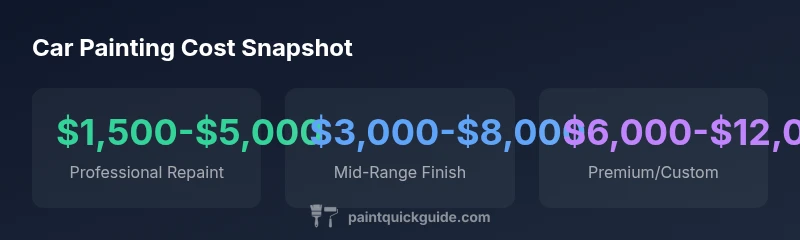
Typically, painting a car costs between $1,500 and $5,000 at a professional shop for a standard full repaint. Mid-range finishes commonly run around $3,000–$8,000, while premium, specialty, or custom work can exceed $12,000. If you tackle it yourself, material costs usually total about $300–$1,500, depending on paint type and prep.
Why costs vary for car painting
If you’re wondering how much it is to paint a car, the answer hinges on prep work, labor hours, and the desired finish. The most significant price drivers are body preparation (dent repairs, rust treatment, panel alignment), masking complexity, and the number of panels involved. A small two-door job with minimal bodywork can be substantially cheaper than a full-size SUV with extensive rust repair. Regional wage levels, shop overhead, and the type of paint system chosen (single-stage vs basecoat with clear, or premium candy/pearl finishes) also push costs up or down. In short, the cost spectrum reflects both the complexity of the job and the quality of the outcome. For 2026, expect that the base range for a professional full repaint sits around the mid four-figure area, while specialty finishes will sit higher, sometimes substantially.
The PaintQuickGuide team emphasizes that a precise quote requires a physical inspection: you’ll save money by addressing body issues before painting and by avoiding unnecessary coat layers. The more preparation your car requires, the more you’ll pay. Surface irregularities that demand extensive sanding or filler material, and the need for corrosion treatments, can add noticeable costs that aren’t obvious from a simple color change.
Tip: Always request a written estimate that itemizes prep, materials, labor, masking, and curing time. This helps prevent surprises later and makes it easier to compare between shops.
What a professional full repaint includes
A professional full repaint typically includes surface preparation, primer, base color, clear coat, and final finishing steps. You’re paying not just for pigment but for time spent sanding, smoothing, and masking to protect trim, glass, and emblems. Expect an initial assessment, bodywork if needed, paint, and a curing period between coats. Most shops will also charge for booth time and disposal of hazardous waste. A standard turnaround is often a few days to a week, depending on shop capacity and the finish you request. For 2026, the cost range reflects both simple color changes and more involved processes like color matching, panel replacement, and multi-layer clearcoats.
When you’re budgeting, differentiate between the base repaint and enhancements such as metallics, pearlescent layers, or high-gloss clears. Each adds steps and materials, which translates to higher prices. The PaintQuickGuide guidance notes that transparent or semi-transparent finishes tend to require more coats and more precise color matching, increasing both time and cost.
What to expect in a quote: prep and bodywork, masking, primer and base coats, clear coats, curing time, and disposal fees. If a shop lists a single line item “paint job” without breakdown, request a detailed estimate to compare apples to apples.
Typical cost ranges by service level
| Service Level | Typical Cost Range | What’s Included | Notes |
|---|---|---|---|
| DIY (materials only) | $300-$1,500 | Paint, primers, clear coat, masking supplies | Assumes you own tools; prep work is limited |
| Professional basic full repaint | $1,500-$5,000 | Labor, prep, basecoat, clearcoat | Common turnaround 3-7 days |
| Mid-range finish (two-tone/metallic) | $3,000-$8,000 | Enhanced finishes, more prep | Color matching and longer cure times |
| Premium/custom finishes | $6,000-$12,000+ | Extensive bodywork, premium clears, candy/pearl colors | Highest durability and customization |
Your Questions Answered
What is the biggest factor that affects the cost of painting a car?
Prep work and labor hours are the primary cost drivers. The extent of body repairs, masking complexity, and drying time typically determine the final price more than the color choice alone.
Prep work and labor hours are the main price drivers when painting a car.
Is DIY car painting worth it for saving money?
DIY painting can save material costs but requires time, space, and skill. If you’re new to painting, the risk of subpar results and rework can offset savings. Proper ventilation and safety gear are essential.
DIY can save money but comes with risks; assess your skill and workspace first.
How long does a typical car repaint take at a shop?
Most professional jobs take several days to a week, depending on shop workload, color complexity, and the need for body repairs or multiple coats.
Most cars take several days to a week at a shop.
Can I change color without extensive prep?
A color change often requires sanding, primer, and multiple coats to ensure even coverage and adhesion. Skipping prep can lead to poor finish and paint failure.
Color changes usually need prep; skipping it risks a poor finish.
What should I look for when requesting quotes?
Ask for a written, itemized estimate including prep, bodywork, primer, basecoat, clearcoat, masking, curing, and disposal. Compare line items across shops for a fair comparison.
Get a detailed, written quote with itemized costs.
Are premium finishes worth the extra cost?
Premium finishes offer enhanced depth, color fastness, and durability. If you’re restoring a classic or seeking a showroom look, they can be worth the higher price.
Premium finishes are worth it for showrooms or classic restorations.
“The biggest cost drivers in car painting are prep work and labor time, not the color alone. A precise estimate requires a thorough inspection of bodywork, masking, and drying conditions.”
Quick Summary
- Plan for prep and labor to dominate costs
- Get a detailed written quote with line-item costs
- Expect premium finishes to exceed basic repaint costs
- DIY materials can save money but require skill and tools
- Color and finish choices significantly influence total price