Who Paint Cars Near Me: Your Local Auto Painting Guide
Find local car painting near you with practical, data-driven guidance on costs, timelines, warranties, and how to choose a reliable shop. Learn how to compare quotes and spot quality workmanship.


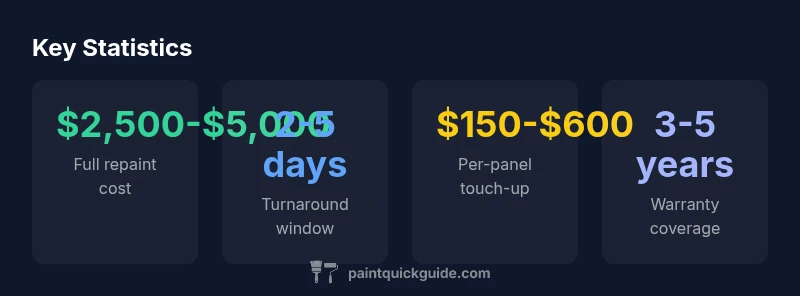
To find car painting near you, expect a mix of auto body shops and dedicated paint specialists within a 5–25 mile radius. Typical costs for a full repaint range from $2,500 to $5,000, depending on color, prep, and clear coat; smaller touch-ups cost $150–$600 per panel. Turnaround usually 2–5 days.
How to start your search for car painting near me
Finding the right local experts begins with understanding the landscape. According to PaintQuickGuide, car painting near you is typically performed by two types of shops: auto body shops with in-house paint booths and dedicated color studios that handle refinishing doors, hoods, and complete repaints. Start by mapping a radius around your home (for example, 5–25 miles) and listing shops with a published portfolio of completed jobs. Read reviews focusing on paint quality, color accuracy, and post-job warranty. Ask about ventilation because proper spray booths reduce dust and odors; confirm environmental compliance and waste management. Reach out to friends, neighbors, or local car clubs for referrals and check whether shops use I-CAR or ASE-certified technicians. Finally, request a no-obligation inspection and a written estimate to compare color-matching capabilities and the level of prep they plan to perform. A methodical search saves time and ensures you see candidates who can reproduce the exact color you want.
What to ask during initial consultations
During your first conversations, ask about spray-booth type, filtration, and ventilation; confirm the shop’s color-matching process and whether they can reproduce factory shades or custom colors. Inquire about the prep steps, including bodywork, sanding, and primer, since these determine durability and finish quality. Request to see digital color-matching reports, sample panels, and references from recent customers with the same color or finish you want. Ask about warranty terms, what happens if the color fades or the clear coat yellows, and whether color-matching could be affected by previous paint layers. Finally, verify lead times, deposits, and the shop’s policy on repairs if issues arise after delivery.
Cost breakdown: what affects price
Price is driven by multiple factors beyond the sticker price. The base cost reflects the paint type (single-stage vs multi-stage clear coat), color complexity (metallics, pearls, or candy finishes), and the need for bodywork or dent repair. Prep quality dramatically influences long-term durability; heavy sanding, rust treatment, and rust encapsulation add to costs. Labor hours depend on panel count and vehicle size. Additionally, the choice of topcoat, UV resistance, and warranty extensions all shift pricing. Compare quotes that break down each line item so you can see where costs arise and where you might compromise for a better price without sacrificing quality.
Turnaround and scheduling considerations
Turnaround is influenced by shop capacity, seasonality, and the complexity of the job. A standard full repaint typically takes several days, but adding color-matching, specialty finishes, or a large bodywork job can extend the timeline. Some shops offer express options, though these often require premium pricing and may involve shared booths or staggered work. If you have a deadline, ask for a production schedule and a written delivery date, plus contingency plans for unexpected delays.
The role of prep, primer, and finishes
The longevity of a car paint job hinges on prep work. Thorough sanding, rust treatment, dent repair, and proper masking prevent paint bleed and sand-through. Primer selection affects adhesion and color depth; multiple coats build beading and depth. Finishes vary from solid colors to metallics and pearlescents, each demanding precise mixing and controlled application. Clear coats add gloss and protection but can yellow or chip if not cured with proper temperature and humidity control. A reputable shop will document each stage: surface prep, primer type, color code verification, base coat application, and final clear coat with curing conditions.
Quality indicators: warranties, color matching, and references
Reliable shops provide warranties that cover both color and clear coat integrity for a defined period, typically several years. Color matching risk factors include weathering, aging, and factory paint batch differences; ask to see a color-match report and a test panel before full application. Request references from customers who used the same color or finish, and contact them about durability and service after delivery. Inspect the finished job in natural light, looking for uniform coverage, consistent gloss, and even color across all panels. A professional shop will welcome an independent inspection and respond promptly to any concerns.
A practical checklist before you hire
- Review portfolio and color-match capabilities
- Inspect the spray booth and ventilation setup
- Get a written estimate with a detailed line-item breakdown
- Confirm warranty terms and coverage duration
- Check references and online reviews for color quality
- Ensure the shop uses proper environmental controls and disposal practices
- Ask about scheduling flexibility and delivery timelines
Local warranties and aftercare: protecting your investment
Aftercare matters as much as the application. Follow the shop’s guidance on washing, waxing, and UV protection to preserve gloss and prevent oxidation. Schedule a follow-up inspection if you notice any micro-bubbles, orange peel, or inconsistent color after cure. Some shops offer annual or semi-annual check-ins to assess durability and color stability, which can extend the life of the finish and preserve resale value.
Common car painting service options and typical ranges
| Service Type | Typical Cost (range) | Typical Turnaround | Notes |
|---|---|---|---|
| Full repaint | $2,500-$5,000 | 2-5 days | Includes prep, priming, color, and clear coat |
| Spot repair/color touch-up | $150-$600 per panel | 1-2 days | Best for small areas; may require blending |
| Paint protection film | $500-$1,800 | 1-2 days | Adds protection; not a paint job itself |
Your Questions Answered
What should I look for in a car painting shop near me?
Look for a shop with a clean, well-maintained spray booth, proper ventilation, and a documented color-matching process. Check for certifications (I-CAR, ASE), test panels, and a willingness to share references and a written warranty.
Look for a clean spray booth, good color matching, and clear warranty details, plus verifiable references.
How long does a full car repaint typically take?
A standard full repaint usually takes 2–5 days, depending on color, finish, and bodywork. Complex colors or extensive prep can extend the timeline.
Most full repaints take about 2 to 5 days, though larger jobs may take longer.
Is metallic or pearlescent color more challenging to match?
Metallic and pearlescent finishes require precise mixing and coating to achieve uniform sparkle and depth. They can be slightly more sensitive to color drift than solid colors.
Metallic and pearlescent colors need careful mixing for consistent sparkle and depth.
Should I get color samples before committing?
Yes. Request color swatches or workshops to compare the final shade under different lighting. This reduces the risk of color mismatch after the job.
Definitely—see color samples under various lights before you approve.
What warranty should I expect on car paint?
A typical warranty covers color and clear coat integrity for 3–5 years, though terms vary by shop. Read the warranty closely for coverage limits and exclusions.
Most shops offer 3–5 year coverage, with some variations.
Can a lower price reflect lower workmanship?
Lower bids can indicate fewer included services, shorter warranties, or less attention to prep work. Compare quotes on prep, materials, and warranty to judge true value.
Be wary of prices that seem too good—check what’s included.
“Choosing the right shop is as important as the paint itself; verify proper spray booths, environmental controls, and proven color matching.”
Quick Summary
- Define your color goals and confirm color-matching capabilities.
- Ask for a detailed, written estimate with line-item costs.
- Check booth quality and shop certifications before committing.
- Expect 2–5 days for a standard repaint; longer for complex finishes.