Car Paint Touch Up Kit: How to Patch Chips and Scratches
Learn how to choose, prep, and apply a car paint touch up kit for chipped or scratched auto panels. Step-by-step guidance, color matching tips, finishing tricks, and safety cautions for a durable, discreet repair.


By the end of this guide, you'll be able to choose a color-matched car paint touch up kit, prep the panel, apply the color with careful, precise strokes, and seal with a clear coat for a durable finish. You'll learn color matching strategies, surface prep, application techniques, drying times, and common mistakes to avoid for a seamless repair.
Why a Car Paint Touch-Up Kit Makes Sense
A car paint touch up kit is a practical, cost-effective way to address chips, scratches, and stone hits without a full repaint. For minor defects, a color-matched kit can restore appearance and help prevent surface corrosion by sealing exposed metal. The right kit gives you control over color accuracy, finish (gloss or satin), and curing time, reducing the likelihood of noticeable color mismatch. According to PaintQuickGuide, choosing a kit with a true color match and clear instructions dramatically improves the odds of a seamless repair even for DIY enthusiasts.
This guide emphasizes safe, methodical steps and realistic expectations. Deep scratches or dents may require professional refinishing, but small chips and superficial scratches are well within reach for DIYers who invest in proper prep and patience.
Choosing the Right Kit: Color Match, Finish, and Extras
Not all car paint touch up kits are created equal. The most important factors are color accuracy, finish compatibility, and the availability of compatible clear coats. Look for kits that provide multiple shade options or a universal mix system, plus a thin brush or pen applicator for precision. Check whether the kit includes a protective clear coat and polishing compound; these extras simplify the finishing steps and improve blend quality. Also consider the type of paint (lacquer, enamel, or acrylic) and ensure the kit’s base matches your vehicle’s paint system. Proper color matching reduces the risk of an obvious repair and helps maintain resale value.
Prep Like a Pro: Cleaning, Sanding, Masking
Preparation is the most critical phase in a successful touch-up. Begin by cleaning the area with isopropyl alcohol to remove wax, oils, and grit. Lightly scuff the chip edge with very fine sandpaper (e.g., 1500–2000 grit) only if the coating has a raised edge or corrosion; otherwise, avoid heavy sanding that could enlarge the defect. Mask surrounding panels with painter’s tape to prevent overspray and keep the repair area isolated. A clean, dry surface ensures better adhesion and a smoother color application.
Color Matching Techniques: Visual Checks and Light Testing
Color matching isn’t an exact science without professional color systems, but you can improve accuracy with careful testing. Compare the kit color against the vehicle’s paint in multiple lighting conditions (sunlight, shade, and indoors). Apply a tiny dab on a hidden area first and allow it to dry before judging. If the shade is too light or too dark, use the kit’s mixer or best-matching shade to adjust. For metallic finishes, the effect often depends on the particle size and clear coat; some kits provide metallic flakes that need gentle mixing to align.
Step-By-Step Application: Layering for Seamless Blend
Apply the paint in ultra-thin layers rather than a single thick coat. Allow each layer to dry briefly before adding the next, which helps control color depth and avoids buildup. Use the kit’s included applicator for precise placement, and avoid overlapping onto adjacent panels. Once the color visually matches, apply a thin layer of clear coat if recommended by the kit. Finish with a light polish after curing to soften any edge line and blend the repaired area with the surrounding paint.
Finishing Touches: Clear Coat, Buffing, and Edge Blending
A clear coat protects the new paint and adds gloss, helping the repair blend with the original finish. Allow the color to cure fully before applying clear, following the manufacturer’s recommended wait time. Use a small polishing compound to blend the repaired patch with neighboring paint, working in circular motions with light pressure. If the repair line appears visible, a second ultra-thin color layer and another clear coat pass can improve the transition. Patience during curing is essential for a durable, factory-like finish.
Drying, Curing, and Long-Term Care
Curing times vary by product and ambient conditions. Avoid washing the repaired area for at least 24–48 hours, and keep exposure to sun and humidity in mind. If you used a UV-curing kit, follow the specific instructions for exterior exposure. For long-term care, wash gently with a dedicated car shampoo, dry thoroughly, and consider a light wax after the repair has fully cured. Regular maintenance helps preserve color integrity and depth.
Common Mistakes and How to Avoid Them
Common missteps include applying too much paint in one pass, using the wrong shade, skipping masking, and rushing the cure time. To avoid these errors, work in a well-lit environment, test color in hidden spots first, and follow the kit’s drying times to the letter. Keep a clean workspace and replace applicator tips if they shed fibers or leave streaks. If you notice orange peel or dull spots after curing, a light sand-and-polish can restore a smooth finish.
Tools & Materials
- Car paint touch up kit (color-matched)(Choose color-matched shade with optional metallic/pearl options if needed)
- Fine-grit sandpaper (1000–2000 grit)(Only use on edges or raised areas; avoid aggressive sanding)
- Isopropyl alcohol (70%–90%)(For surface cleaning and prep)
- Masking tape and micro-masks(Protect adjacent panels from overspray)
- Soft microfiber cloths(For cleaning and buffing without scratches)
- Clear coat (if kit doesn’t include)(Adds protection and gloss; ensure compatibility with base paint)
- Fine artist brushes or applicator sponges(For precise pigment placement)
- Polishing compound(To blend edges after curing)
- Gloves(Protect skin during handling)
Steps
Estimated time: 60-90 minutes active work; 24–48 hours curing time before full washing
- 1
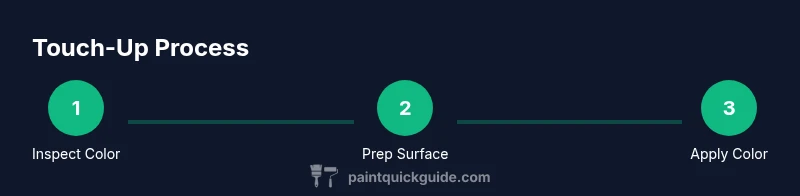
Inspect and select color
Carefully examine the chip or scratch and choose the closest color match from the kit. If the kit includes multiple shades or a mixer, test on a hidden area before committing to the final shade.
Tip: Test color outdoors in daylight for the most accurate comparison. - 2
Prepare the surface
Clean the area with isopropyl alcohol and dry completely. Lightly scuff the edges if needed to improve adhesion, but avoid aggressive sanding that can widen the defect.
Tip: Wipe in one direction with a lint-free cloth to prevent smeared residue. - 3
Mask surrounding paint
Place masking tape just beyond the defect to protect adjacent panels. This creates crisp lines and reduces the risk of color bleed.
Tip: Press tape down firmly at the edges to prevent paint seepage. - 4
Apply thin color layers
Using the included applicator, apply ultra-thin coats. Allow each layer to dry before adding another; build color gradually to achieve depth without overfilling.
Tip: Always start from the center of the chip and feather outward. - 5
Check color and adjust
After a couple layers, compare with surrounding paint under multiple light conditions. If the shade is off, adjust with another thin layer or mix a tiny amount of the correct shade.
Tip: Avoid over-tinting; small increments are better for precision. - 6
Apply clear coat (if recommended)
If your kit includes a clear coat, apply a very light coat to seal the color. Allow to cure as directed by the kit to avoid solvent damage.
Tip: Keep the spray or brush stroke steady to prevent drips. - 7
Cure and buff
Let the repaired area cure fully in a dust-free environment. Gently buff with a polishing compound to blend the edge with surrounding paint and restore gloss.
Tip: Use minimal pressure and circular motions for a smooth finish. - 8
Final wash and protection
Wash the area after complete curing and consider a light wax to protect the finish. Avoid aggressive scrubbing that could wear the repair.
Tip: Return after 24–48 hours to re-check for any subtle color shift.
Your Questions Answered
Do I need to sand before applying touch-up paint?
Sanding is only needed to smooth a raised edge or severe corrosion. For minor chips on flat paint, cleaning and light feathering with a fine grit paper around the chip can help adhesion, but avoid removing original paint.
Sanding isn’t always required. Use it only if there’s a sharp edge or corrosion; otherwise cleaning and gentle feathering is enough.
Can I mix colors for an exact match?
Many kits include a color mixer or shade options. Start with a base shade, test on a hidden area, and adjust in tiny increments. Large color changes should be avoided to prevent noticeable mismatches.
You can mix colors in small increments, testing on a hidden spot to get as close as possible.
Is clear coat always necessary?
Clear coat is not always required, but it adds protection and helps blend the repaired area with the rest of the finish. Follow the kit’s instructions for whether to apply it.
Clear coat isn’t mandatory for every kit, but it can improve durability and blending if your kit includes it.
How long should I wait between color layers?
Wait the minimum time recommended by your kit between layers. A common guideline is to wait 5–15 minutes in moderate conditions, but some products cure faster or slower depending on temperature and humidity.
Wait the recommended time between layers; temperature and humidity affect drying.
When is professional repaint required?
If the damage is deep, there’s extensive chipping, or color blend is impossible to match, a professional repaint or color matching service is recommended to ensure durability and resale value.
If the damage is deep or hard to color-match, consider a professional repaint.
Watch Video
Quick Summary
- Choose a color-matched kit for best blend
- Prep and masking are as important as color choice
- Apply color in thin layers; avoid buildup
- Finish with a protective clear coat when advised
- Allow full cure before washing or waxing