Why Is My Paint Peeling? Quick Guide
Learn urgent, practical steps to diagnose why is my paint peeling, from surface prep to coatings, moisture control, and long-term prevention with PaintQuickGuide.


Most peeling paint starts from moisture intrusion or poor surface prep. For a quick fix, remove loose chips, wipe the area clean, dry it completely, and prime with a bonding primer before reapplying paint. If peeling spans wide areas or returns after rain, address underlying moisture and ventilation to prevent recurrence.
Why peeling happens and what it signals
If you’re asking yourself, why is my paint peeling, you’re not alone. Most peeling starts when moisture reaches the painted surface or when the underlying prep wasn’t able to grab the coating. In interior walls, leaks from a roof or plumbing can raise humidity and force paint to blister and peel. On exterior surfaces, sun, wind, and temperature swings can cause coatings to lose adhesion over time. In some cases, the problem begins with poor surface preparation or using incompatible products. The phrase why is my paint peeling is a diagnostic clue: it tells you there may be a combination of moisture, surface, and coating factors at play. A systematic check helps you identify the primary culprit and plan an effective repair that sticks. This guide walks you through practical checks and clear fixes that you can start today, with safety and cost in mind.
Start with a surface health check
Begin by visually inspecting the peeling area and gently tapping with a putty knife to test adhesion. If the coating flakes off easily, you likely have poor adhesion or moisture under the paint. For walls, check for staining, soft spots, or bubbling that may indicate water intrusion. For cars or metal panels, look for corrosion or rust under the peeled layer. In any case, remove loose material with a painter’s scraper and wipe away dust. Before you proceed, ask yourself: is the area dry and cool, and has it been weather-proofed long enough after a repair? Solving the mystery behind peeling paint requires confirming dryness, then moving to proper surface preparation. If you notice persistent moisture or mold, address that first to prevent re-peeling after painting.
Surface prep and adhesion basics
The question why is my paint peeling often points to surface prep issues. Start by removing all loose layers and sanding glossy areas to a dull finish so the new coat can grip. Clean thoroughly to remove dust, oils, and chalky residue, then rinse and dry completely. If metal or wood shows bare spots, repair as needed before priming. Use a high-quality bonding primer on problem surfaces, especially where old paint has failed or where there’s moisture exposure. Finally, select a compatible paint system designed for the surface type and climate you’re in. Proper prep and compatible coatings dramatically improve long-term adhesion and reduce future peeling.
Environmental and application conditions
Environmental factors play a big role in peeling paint. High humidity, poor ventilation, and rapid temperature changes can trigger moisture migration and coating failure. Check indoor humidity levels and ensure spaces like bathrooms, kitchens, and basements are well ventilated. For exterior work, avoid painting during hot sun or just before rain, and ensure the surface has dried after cleaning. If you’re wondering why is my paint peeling in certain rooms or on exterior siding, pay special attention to the dew point and drying times on the product label. Following manufacturer-recommended conditions helps your coating cure properly and resist peeling.
Exterior vs interior scenarios
Peeling behaves differently depending on where it happens. Exterior surfaces face rain, sun, wind, and freeze-thaw cycles that accelerate adhesion failure; interior walls deal with humidity from cooking, showers, or plumbing leaks. The root causes are often similar—moisture and poor prep—but the remediation differs. For exterior peeling, you may need to address flashing, gutters, or site drainage before repainting. Inside, focus on moisture sources and ensuring consistent drying before applying primers and topcoats. Recognizing the setting helps you tailor your repair approach to prevent future peeling.
The quick fix path: immediate steps you can take today
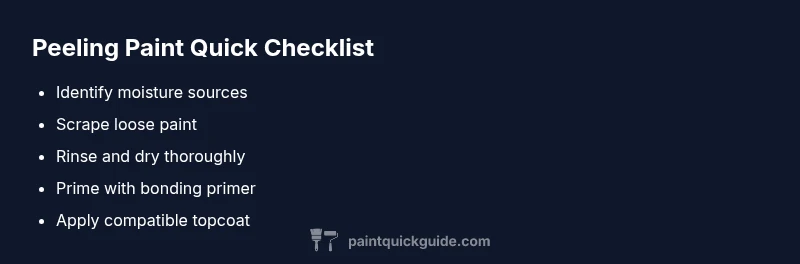
If you’re troubleshooting peeling paint now, start by removing all loose material and cleaning the surface thoroughly. Dry completely, then apply a bonding primer to improve adhesion. Use compatible primers and paints on the same system, and follow recommended recoat times. Address any visible moisture sources—leaks, condensation, or high humidity—with ventilation, dehumidification, or repair work. After priming, apply at least one two-coat layer in uniform, thin passes to avoid trapped moisture. Finally, cure in a controlled environment and monitor for any signs of new peeling or blistering.
Choosing primers, paints, and application techniques
Selecting the right products is essential when investigating peeling paint. For peeling surfaces, a bonding or acrylic primer often provides the best adhesion, followed by a compatible finish coat. Avoid mixing incompatible products, or painting over blistered areas without proper prep. Use high-quality tools and apply in thin coats to minimize air pockets. If you’re refinishing a car panel, follow automotive-approved primers and paints and observe proper ventilation and flash-off times. By matching primers, topcoats, and surface types, you improve durability and reduce peeling risk.
Maintenance and prevention to stop peeling in the future
Preventing peeling hinges on ongoing surface health and environmental control. Regularly inspect exterior paint for signs of moisture intrusion, cracked caulk, and gutter issues. In interiors, control humidity in bathrooms, kitchens, and basements, and ensure proper ventilation during and after painting until surfaces are fully cured. Keep up with routine cleaning and promptly address leaks or condensation. When you understand why peeling occurred, you can design a maintenance plan that minimizes future problems and preserves your finish for longer.
Steps
Estimated time: 2-6 hours
- 1
Inspect moisture sources
Check for leaks, condensation, and humidity hotspots. Mark any areas that stay damp after cleaning and give yourself a baseline before repair.
Tip: Use a moisture meter if available for objective readings. - 2
Prepare the surface
Remove loose paint, clean thoroughly with a mild detergent, rinse, and dry completely. Lightly sand glossy areas to promote adhesion.
Tip: Wear a mask to avoid inhaling dust. - 3
Prime problem areas
Apply a bonding primer to patches with poor adhesion or moisture exposure. Let it dry fully according to label instructions.
Tip: Choose a primer compatible with your topcoat. - 4
Apply topcoat with care
Paint in thin, even coats. Allow proper drying time between coats and avoid high humidity during application.
Tip: Use quality brushes/rollers for a smoother finish. - 5
Cure and monitor
Let the paint cure in a controlled environment. Inspect after a few days for signs of new peeling and address quickly.
Tip: Keep interior temps steady during cure.
Diagnosis: Peeling or blistering paint on walls or vehicle panels
Possible Causes
- highMoisture intrusion from leaks, condensation, or high humidity
- highPoor surface preparation or failure to remove loose paint before painting
- mediumUse of incompatible paints or failed adhesion between coatings
- mediumExterior sun exposure and temperature swings causing expansion/contraction
- lowOld lead-based paint in pre-1978 homes
Fixes
- easyIdentify and fix water leaks, reduce humidity with ventilation or dehumidifier, and dry the surface thoroughly before repainting
- easyScrape away all loose paint and clean the surface to remove chalk and oils
- easySand to a smooth, matte finish and repair cracks or damaged areas
- easyApply a bonding primer suitable for the surface and climate, then repaint with a compatible topcoat
- mediumAddress underlying moisture sources and recheck after rainfall or humidity spikes
Your Questions Answered
What is the most common cause of peeling paint?
Moisture intrusion and poor surface preparation are the top culprits. Peeling often starts where water or detergents have loosened adhesion. Start by drying the area and evaluating the prep quality before repainting.
Moisture and bad prep are the top culprits. Dry the area, fix prep, and repaint with the right primer.
Can peeling paint be repaired without removing all layers?
In many cases you can repair peeling sections by scraping loose paint, cleaning, priming, and applying fresh topcoat. Heavily blistered or bubbling areas may require more extensive removal.
Often you can fix it by removing loose paint, cleaning, priming, and repainting. Heavily bubbled areas need more work.
Is peeling paint dangerous for my family or pets?
Peeling paint itself is usually not hazardous, but disturbed old paint may contain lead or other contaminants. Avoid sanding blindly; test for lead if the home is older and seek professional guidance when in doubt.
Old peeling paint may hide lead and should be tested if the house is older. If in doubt, consult a pro.
Exterior vs interior: which should I fix first?
Address underlying moisture and surface prep first, then repaint. Exterior repairs should also fix drainage and weatherproofing before applying topcoats.
Fix moisture and prep inside or outside first, then repaint. Exterior work needs weatherproofing too.
How long should a proper paint repair last?
Durability depends on surface prep, product quality, and climate. With proper steps and compatible coatings, expect longer service life, rather than relying on a quick fix.
A proper repair lasts longer when prep and coatings are correct and climate is favorable.
When should I call a professional?
Call a professional if you suspect lead paint, if moisture problems persist despite repairs, or if peeling covers large or difficult-to-reach areas. A pro can assess structural issues and ensure safety.
Call a pro if lead paint is suspected or moisture keeps coming back after repairs.
Watch Video
Quick Summary
- Identify moisture before repainting
- Prep thoroughly for lasting adhesion
- Use compatible primer and paint systems
- Control environment during cure