What Paint Sticks to Metal: A Practical DIY Guide
Learn which paints and primers bond best to metal, plus step-by-step prep, priming, and finishing tips to ensure a durable, rust-resistant finish for indoor and outdoor metal projects.


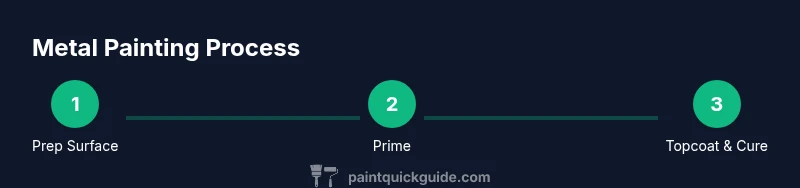
To successfully paint metal, you must start with proper prep and use a paint that bonds well to metal, such as oil- or epoxy-based enamel. Key steps include cleaning, rust removal, sanding, applying a rust-inhibiting primer, and choosing a durable topcoat. The exact product depends on indoor vs outdoor use and the metal type.
What makes paint stick to metal?
If you're asking what paint sticks to metal, you're seeking a coating system that binds to a slick, sometimes rusty surface and withstands the wear of daily use. The short answer is: start with clean, dry metal, choose a primer that actively fights rust or improves adhesion, and finish with a topcoat formulated for metal. The PaintQuickGuide team emphasizes that adhesion is a two-way street: the metal surface must be prepared to accept the coating, and the coating itself must be chemically compatible with the substrate. For most household metals—steel, iron, aluminum, or galvanized surfaces—the best results come from a dedicated metal primer followed by an enamel or epoxy topcoat. Note that galvanized or zinc-coated metal often needs a self-etching primer to bite through the protective layer. In short, understanding surface chemistry and using purpose-built products will help you achieve durable adhesion and a long-lasting finish.
Surface prep: cleaning and degreasing
The most important part of painting metal is preparation. Contaminants such as oil, grease, and dust create a barrier that prevents primers from gripping the metal. Start with a thorough cleaning using a degreasing solvent (mineral spirits or acetone) and a lint-free cloth. Wipe in the direction of the metal grain to avoid bringing up embedded grit. After cleaning, dry the surface completely; moisture is the enemy of adhesion and can cause blistering later. For larger projects, consider a dedicated cleaning station with warm air to speed drying. Remember: even a small patch of residue can compromise the next steps, so working in a well-ventilated area and inspecting with good lighting will help you spot problem spots before you apply primer.
Rust and corrosion control
If you find rust, you must address it before painting. Light surface rust can be removed with a wire brush or abrasive pad; heavy rust may require a rust converter or mechanical removal until the metal shines. After rust removal, wipe the area again to remove dust and rust filings. If you leave rust behind, the primer and topcoat will eventually peel as the rust expands. For aluminum and galvanized steel, corrosion inhibitors and self-etching primers are often recommended because they improve bonding to the passive oxide layer. In all cases, allowing the metal to dry fully before priming reduces the risk of trapping moisture under the coating, which can lead to corrosion under the paint.
Primer options that improve adhesion to metal
Primers are your first line of defense against moisture, rust, and peeling. Choose a rust-inhibiting primer for iron and steel; zinc-rich primers offer extra protection for bare steel. For galvanized or aluminum surfaces, consider a self-etching or acid-etch primer designed to bite through the oxide layer. Two popular routes are epoxy-based primers and acrylic-epoxy hybrids; both provide strong adhesion and excellent corrosion resistance when used with compatible topcoats. Always check the primer’s technical data sheet to ensure compatibility with your chosen topcoat, especially if you plan to spray or roll. If you’re unsure which primer to use, a professional at your local paint supplier can recommend options based on the metal type and indoor/outdoor exposure.
Topcoat choices: enamel, epoxy, and acrylic
Topcoats for metal range from oil-based enamels to water-based acrylics and two-part epoxies. Oil-based enamels are forgiving, provide strong gloss and good chemical resistance, and tend to level well on metal, though they require longer cure times and emit stronger fumes. Epoxies offer superb durability and adhesion, particularly on outdoor metal surfaces or high-wear equipment; they are often sold as two-component systems that require mixing. Acrylic or latex-based enamels can be easier to apply and clean up, but may require a longer curing period and more frequent maintenance in harsh conditions. The key is to match the topcoat with the primer and the environment: indoor projects near food prep areas may benefit from water-based products, while outdoor railings and gates demand tougher, moisture-resistant coatings. Always follow recoat windows and ventilation guidelines.
Application techniques for metal surfaces
Apply thin, even coats rather than thick layers to avoid runs and solvent entrapment. If you’re using a spray gun, maintain a steady distance from the surface and use light, overlapping passes to build film. With brushes or rollers, keep a wet edge and work in small sections to avoid sawtooth patterns. Stir paints thoroughly before use (do not shake vigorously) to prevent air bubbles. Between coats, follow the product’s recoat time and cure guidance; if the surface feels tacky, wait longer. Temperature and humidity influence drying times, so painting in a dry, warm, well-ventilated area yields better results. For large outdoor projects, consider masking nearby surfaces and using a drop cloth to protect surroundings.
Indoor vs outdoor metal painting considerations
Humidity and temperature guidelines differ for indoors and outdoors. Indoor metal projects usually benefit from lower humidity and more controlled temperatures, allowing faster curing, especially with water-based topcoats. Outdoors, you must account for dew, rain, and sun exposure; choose UV-resistant topcoats and robust primers. In either case, prepare and protect: wear PPE, ventilate if indoors, and avoid painting in freezing temperatures or when rain is expected within 24–48 hours. For metal objects routinely exposed to corrosion agents (salt air, acids, fertilizers), a high-performance primer and topcoat designed for exterior use will extend life and reduce maintenance.
Common mistakes and how to avoid them
- Skipping degreasing and rust removal leads to early peeling. Clean thoroughly, then test a small area before committing to the full project. - Inadequate drying time between coats causes poor adhesion. Observe recoat windows and cure times. - Using incompatible primer and topcoat reduces performance. Always pair primers with compatible topcoats from the same product line. - Painting over damp metal traps moisture under the finish, leading to corrosion and blistering. Wait until surfaces are completely dry. - Not protecting adjacent surfaces with masking tape and drop cloths invites staining and mess. Plan masking before you start.
Cost considerations and maintenance tips
Metal painting projects range in price depending on surface size, chosen products, and whether you spray or brush. Expect primer and topcoat costs to form the majority of the budget, with higher-grade products delivering longer life and lower maintenance costs over time. While cost data is not the sole predictor of performance, selecting durable primers and epoxies often yields better long-term value. Maintenance after painting is simple: periodically inspect for chips or peeling, touch up small areas with matching paint, and re-coat when you notice wear or rust return. For galvanized surfaces, corrosion resistance depends on proper primer and topcoat choice as well as environmental exposure. In all cases, plan for proper ventilation, surface preparation, and curing time to maximize durability.
Tools & Materials
- Degreasing solvent (mineral spirits or acetone)(Choose a fast-evaporating solvent; use in a well-ventilated area.)
- Lint-free cleaning cloths(Use fresh cloths for best degreasing results.)
- Wire brush or cup brush(For removing surface rust and old paint.)
- Sandpaper (120-220 grit) or sanding block(Lightly roughen the surface to improve adhesion.)
- Metal primer (rust-inhibiting, zinc-rich or epoxy)(Select primer compatible with your topcoat and metal type.)
- Topcoat paint suitable for metal (oil-based enamel or epoxy)(Indoor vs outdoor use will dictate the choice.)
- Paint thinner/cleaner(Optional for thinning or cleanup when spraying.)
- Respirator or mask, safety goggles, gloves(Protect against fumes, dust, and chemical exposure.)
- Drop cloths or plastic sheeting(Protect surrounding areas from spills.)
- Painter's tape(Mask edges and nearby surfaces before painting.)
- Spray equipment (HVLP or similar)(Optional; only if you plan to spray instead of brush/roller.)
Steps
Estimated time: Estimated total time: 6-12 hours (plus cure time as specified by product labels)
- 1
Inspect the metal surface
Walk the project area and identify rust, flaking paint, and pitting. Photograph problem spots for reference and plan coat strategy accordingly. This quick audit prevents surprises later in the process.
Tip: Document rust or damage with notes and photos to guide your prep. - 2
Clean and degrease
Apply degreaser and scrub the metal with a lint-free cloth. Rinse with clean water if the product requires it, and allow the surface to dry completely. Moisture on metal can ruin primer adhesion.
Tip: Work in a well-ventilated area and wear PPE during degreasing. - 3
Remove rust and flaking paint
Use a wire brush or abrasive pad to remove loose rust and old coatings. Continue until the metal shows a clean, metallic luster. Worn areas should be addressed until the surface is uniform.
Tip: Wear safety goggles to protect eyes from rust particles. - 4
Rinse, dry, and inspect
Wipe away dust and residue, then dry thoroughly. Re-inspect the surface to ensure all contaminants and rust have been removed. Any remaining debris can prevent uniform primer bonding.
Tip: Drying with warm air speeds up readiness for priming. - 5
Scuff and etch the surface
Lightly sand or acid-etch aluminum and galvanized surfaces to improve mechanical bonding. The goal is a uniform, slightly dull surface, not a deep scratch that could show through the finish.
Tip: Keep grit consistent to avoid high/low spots. - 6
Apply rust-inhibiting primer
Brush, roll, or spray primer in thin, even coats. Allow the primer to dry according to the product’s data sheet and apply a second coat if needed for full coverage. Primer should conceal the metal’s color beneath.
Tip: Follow the product’s recoat time to ensure adhesion. - 7
Apply topcoat in thin coats
Apply 2–3 light coats rather than one heavy coat. Let each coat dry as directed before applying the next to prevent runs and solvent entrapment.
Tip: Maintain an even distance when spraying and avoid overlapping heavy areas. - 8
Cure, inspect, and maintain
Allow the final coat to cure fully before handling or exposing to moisture. Inspect for missed spots or thin edges and touch up as needed. Regular maintenance will extend the coating’s life.
Tip: Store touch-up kits with the same batch to ensure color match.
Your Questions Answered
Can you paint over rusted metal?
Rusted metal should be stabilized before painting. Light surface rust can be removed, but heavy rust may require specialty products or professional guidance. After rust removal, prime with a rust-inhibiting primer for best results.
Rust should be treated before painting. Remove surface rust, then apply a rust-inhibiting primer for best results.
Is latex paint suitable for metal?
Latex paints can be used on metal when paired with a compatible metal primer and topcoat. For outdoor or high-wear metal, consider alkyd or epoxy-based products for longer durability.
Latex can work on metal if you use the right primer and topcoat. For tough outdoor use, epoxy or alkyd enamels are often better.
Do I really need a primer for metal?
Yes. A primer promotes adhesion, blocks rust, and provides a uniform base for the topcoat. On bare metal or galvanized surfaces, choose a compatible rust-inhibiting or self-etching primer.
Yes. Primer is essential for adhesion and rust protection on metal.
What is the best finish for metal indoors?
For indoor metal, a durable enamel or acrylic-epoxy system is common. Choose a finish based on exposure to moisture, cleaning frequency, and aesthetics like gloss or satin.
For indoors, pick a durable enamel or epoxy-friendly finish based on moisture and cleaning needs.
How long does metal paint last?
Durability depends on surface prep, product quality, and exposure. High-quality primers and topcoats designed for exterior use typically resist wear longer than standard indoor products.
Durability varies; better primers and exterior-ready coatings last longer.
Watch Video
Quick Summary
- Prepare thoroughly for the best adhesion.
- Choose primers and topcoats designed for metal surfaces.
- Follow product-specific drying and recoat times.
- Prioritize safety and proper ventilation.