How to Strip Paint: A Practical Guide
Practical guide to stripping paint from wood, metal, and furniture with safe methods, step-by-step prep, and disposal guidance. PaintQuickGuide Analysis, 2026.


Stripping paint is a practical first step to refinish wood, metal, or furniture cleanly. This guide shows you how to choose a method—chemical, heat, or mechanical—based on surface and finish, then outlines prep, safety, and disposal. By following a structured plan, you’ll remove old coatings efficiently while protecting the substrate and your health.
What stripping paint really means for your project
Stripping paint is the process of removing old finishes from a surface so you can repair, refinish, or repaint with a clean bond. According to PaintQuickGuide, the choice of method should balance safety, surface type, and the final look you want. The team found that ventilation, personal protection, and proper disposal are as important as the technique itself. When you start, define your goal: preserve underlying wood or metal, minimize damage, and address hazards like lead paint if present before you begin. Stripping paint can feel overwhelming, but with a clear plan you can achieve a smooth, durable finish without damaging the substrate.
Methods at a glance: chemical strippers, heat guns, and mechanical scrapers
There are three broad approaches to stripping paint: chemical strippers that dissolve old finishes, heat-based methods that soften layers for easier removal, and mechanical scraping with putty knives and scrapers. Each method has strengths and trade-offs: chemicals work well on intricate profiles but require ventilation; heat can remove multiple layers quickly but risks scorching delicate surfaces; mechanical scrapers are precise but labor-intensive. The best choice depends on the surface under the finish, the age of the paint, and your tolerance for fumes and dust.
Surface considerations and hazards: wood, metal, and lead paint risk
Wood surfaces can be damaged by aggressive solvents or scraping if you aren’t careful, so test a small area first and use gentle strokes. Metal finishes often respond well to solvent-based strippers, but you’ll need to protect surrounding plates and rivets to avoid staining. In homes built before 1978, lead paint is a real concern—testing is advised, and containment helps reduce dust exposure. For auto refinishing or furniture that carries decorative finishes, the choice to strip aggressively vs. lightly refinish matters for the final look.
Prep steps before stripping: PPE, containment, and ventilation
Before you begin, protect yourself and the space. Set up drop cloths and plastic sheeting to trap dust and chemical runoff. Wear a respirator rated for organic solvents, chemical-resistant gloves, and safety goggles. Ensure good ventilation by opening windows and using a fan, while keeping pets and kids away from the work area. If you are unsure about lead risk, stop and test, then follow local regulations for containment and disposal.
Environmental and disposal considerations: waste, labeling, and disposal
Chemical strippers and contaminated rags are hazardous waste in many jurisdictions. Collect waste in clearly labeled bags, and confirm disposal rules with your local authority or waste facility. Do not pour chemicals down the drain. After stripping, clean tools with appropriate solvents and dispose of rags according to the product’s guidance and local regulations. This reduces environmental impact and keeps your home safe.
Troubleshooting and common mistakes
Common mistakes include skipping a test patch, choosing the wrong method for the surface, and rushing the dwell time. Always follow product instructions for dwell times and safety data, and never heat a stripper beyond its recommended temperature. If the finish resists, reapply in a thin layer and re-check. Regularly inspect your work for uneven removal or residue that could affect new paint adhesion.
Authoritative sources
For further guidance, consult the following government and major health publications that cover safe paint removal and lead safety guidelines:
- https://www.epa.gov/lead
- https://www.osha.gov/SLTC/lead
- https://www.cdc.gov/niosh/
Tools & Materials
- Chemical stripper (gel or liquid)(Choose a product compatible with your surface (wood, metal) and water-based if indoors.)
- Heat gun(Only if you plan to use heat-based stripping; follow manufacturer safety guidelines.)
- Scrapers and putty knives(Stainless steel or plastic for delicate surfaces.)
- Painter's tape and masking supplies(Protect edges and glass.)
- Drop cloths and plastic sheeting(Contain drips and dust.)
- Respirator (NIOSH-approved)(Organic vapor cartridges when working with solvents.)
- Safety goggles
- Nitrile gloves
- Ventilation fan or open windows
- Sandpaper or steel wool (0000 grade)(Used after stripping to smooth surfaces.)
- Rags and brushes for cleanup
- Waste disposal bags for hazardous materials(Label and seal.)
- Soap and water or mineral spirits for cleanup
Steps
Estimated time: 1-3 hours per area
- 1
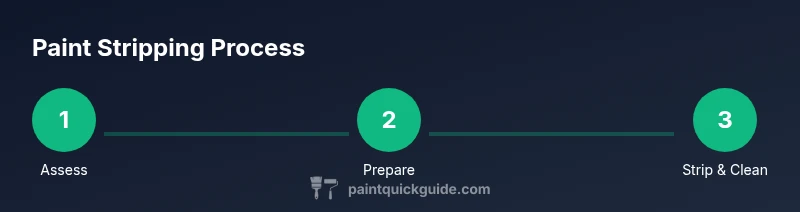
Assess surface and plan method
Inspect the area to identify the type of surface and finish. Decide whether chemical, heat, or mechanical stripping best fits the project and set a clear goal for the result.
Tip: Take measurements and test a small patch to avoid damage. - 2
Protect workspace and yourself
Lay down drop cloths, protect nearby surfaces, and don PPE: respirator, goggles, gloves. Ensure ventilation to keep fumes at safe levels.
Tip: Use masking tape to protect edges and avoid cross-contamination. - 3
Apply stripping agent or heat carefully
Follow the product instructions to apply the stripper in a thin, even layer. If using heat, keep the nozzle moving and avoid staying in one spot.
Tip: Do a small patch first to gauge dwell time. - 4
Allow dwell time and soften finish
Let the stripper work for the recommended time; avoid leaving it too long to prevent substrate damage.
Tip: Ventilate during dwell; never cover with plastic for long periods. - 5
Scrape and refine
Use the appropriate scraper to lift the softened paint with smooth, even strokes. Switch to more delicate tools for intricate profiles.
Tip: Work with the grain where possible to minimize gouging. - 6
Clean, inspect, and prepare for priming
Wipe surface with clean solvent or soap and water, then dry completely. Inspect for residual finish and lightly sand if needed before priming.
Tip: Always remove residue that could impair adhesion.
Your Questions Answered
What is the safest method to strip paint from wood furniture?
For wood furniture, start with a gentle, water-based stripper and test on a hidden spot. For intricate carvings, use a plastic scraper and minimal solvent. Always wear PPE and work in a well-ventilated area to minimize fumes.
Gentle stripper first and PPE on, test a spot before proceeding.
Is lead paint a concern when stripping indoors?
Yes. If your project predates 1978, have the surface tested for lead and follow lead-safe work practices. Contain and clean dust to keep occupants safe.
Lead paint requires testing and precautions before stripping.
Can I strip paint indoors safely?
Indoor stripping is possible with proper ventilation, low-toxicity products, and containment. Open windows, use fans, and seal the area to minimize dust and fumes.
Ventilation and containment are key for indoors.
How long does stripping paint take?
Dwell times vary by product and surface thickness, typically from 15 minutes to several hours per layer. Plan for set-up, application, dwell, and cleanup.
Often minutes to hours per layer depending on product.
Do I need to dispose of chemical strippers as hazardous waste?
Yes. Follow local rules and the product label for disposal. Do not pour waste down drains; store in labeled containers for proper pickup.
Dispose of chemical strippers as hazardous waste per local rules.
Can I reuse leftovers or disposal materials?
Leftovers are usually not reusable due to contamination and reduced effectiveness. Dispose safely and plan for fresh supplies next time.
Leftovers are not typically reusable; dispose safely.
Watch Video
Quick Summary
- Choose the right stripping method for the surface.
- Prioritize safety and ventilation.
- Test for lead and dispose of waste properly.
- Clean tools thoroughly and inspect adhesion before repainting.