How to Use Paint Remover: A Practical Guide for DIY
Learn how to safely and effectively use paint remover on wood, metal, or walls. This step-by-step guide covers types, PPE, timing, cleanup, and disposal for DIY and auto projects.


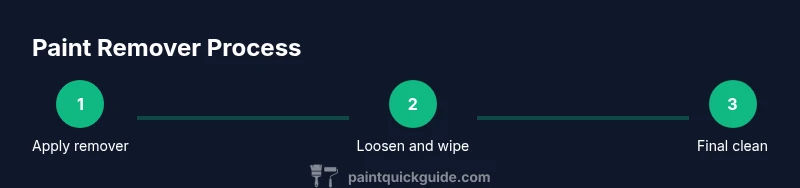
To use paint remover effectively, identify the surface, choose the right remover type, wear PPE, apply a thin coat, wait for the product to soften the paint, and lift it with a scraper. This guide covers wood, metal, and walls, with safety, cleanup, and disposal tips. See the detailed steps below.
What is paint remover and when to use it
Paint remover, also called paint stripper, is a chemical product designed to soften and lift old paint, varnish, lacquer, or sealer from surfaces so you can remove it with a scraper or cloth. The right remover depends on your surface and the paint type. For DIY projects and auto refinishing, choosing the correct formulation is critical to minimize damage. According to PaintQuickGuide, understanding the chemistry behind each product helps prevent surface harm and yields cleaner results. Always consider temperature, ventilation, and surface compatibility before starting. If you are asking how do you use paint remover, this guide will show you how to approach the task safely and effectively. Begin by identifying the surface material (wood, metal, drywall, brick) and the age of the coating, which will influence product choice and technique.
A typical remover works by penetrating the coating and breaking the bond with the substrate, which makes lifting the paint easier. Some coatings are multi-layered; older paints may require more than one pass. Read the label for whether the remover is gentler or stronger, whether it requires water rinse, and what kind of tools are recommended for scraping. By aligning product selection with your surface and coating type, you set yourself up for faster results and less risk of gouging, staining, or warping. Identify any nearby materials that could be damaged by solvents, such as stained wood, certain plastics, or metal finishes, and prepare accordingly.
In practice, plan to work in a well-ventilated area, wear protective gear, and keep a charge of neutralizing or rinsing agents on hand. The goal is to soften the coating without breaking down the substrate. This approach minimizes the chance of chemical runoff and helps you control the process from start to finish. The PaintQuickGuide team emphasizes that patience and preparation are essential, especially on delicate surfaces or multi-layer coatings. By treating the work area with care, you increase the odds of a smooth finish after the remover is rinsed and the surface is prepped for the next coating.
note”:null}
Types of paint remover: solvents, gels, citrus
Modern paint removers come in several forms, each with distinct advantages and limitations. Solvent-based removers are strong and fast-acting, which makes them a good choice for stubborn finishes on wood or metal, but they can carry stronger fumes and require more ventilation. Gel-based removers stay put on vertical surfaces, reducing drips, and are often preferable for cabinets and doors. Citrus-based and water-based removers tend to be milder, with less odor, but may require longer dwell times and more elbow grease. When selecting a remover, compare label instructions for surface compatibility, dwell time, and whether a rinse or neutralizer is needed after use. Citrus-based products are popular for indoor projects where odor control matters, while solvent-based products are favored for heavy lacquers and varnishes. Always test a small area first to verify that the remover will not react badly with the substrate and finish. If you are unsure, start with a milder option and work gradually toward a stronger formula only if needed.
Understanding the chemistry behind each type helps you optimize efficiency and minimize risk. For example, gels reduce run-off on vertical surfaces like doors, while solvent-based products can remove thicker layers of paint faster on metal rails or concrete patches. In all cases, follow the product’s safety data sheet (SDS) and label directions closely. Your goal is to soften the coating with enough dwell time to lift it cleanly, then remove the residue with a scraper, cloth, or sponge, followed by a proper cleaning step that prepares the surface for the next coating.
In this guide, you will learn how to choose the right remover, how to apply it, and how to judge when enough time has passed to safely lift the paint without damaging the substrate. By the end, you’ll feel confident selecting the best remover for your project and performing the process with predictable results.
note”:null}
Safety first: PPE, ventilation, and hazards
Safety is the backbone of using paint remover. Always plan for adequate ventilation and wear appropriate PPE to protect your eyes, skin, and lungs. PPE should include chemical-resistant gloves, safety goggles or a face shield, and a respirator or well-fitting mask if fumes are significant. Work in a well-ventilated area, away from open flames or heat sources, and keep children and pets out of the workspace. Read the SDS on the remover to understand first-aid measures and potential skin or eye irritation. Avoid mixing cleaners, as chemical reactions can be hazardous. Use a timer and work in small sections to minimize prolonged exposure on any one spot. If the product causes a strong reaction, stop work, wash exposed skin with soap and water, and seek medical advice if irritation persists. PaintQuickGuide’s analysis highlights the importance of compliance with safety guidelines to minimize accidents and ensure consistent results. Keep a dedicated waste container for used rags and dispose of chemical waste according to local regulations.
Breathing fumes is a common concern, so consider wearing a respirator rated for organic vapors and ensuring sufficient cross-ventilation. If you’re unsure about the safety of a particular remover near you, consult the label or seek professional guidance. Always perform a patch test in an inconspicuous area to verify that the remover won’t damage the substrate during application. This proactive step can prevent costly mistakes and preserve the integrity of your project.
In summary, PPE, ventilation, proper handling, and adherence to the product’s directions are non-negotiable for safe paint removal. The PaintQuickGuide team stresses that considering these safety fundamentals upfront reduces risk and improves end results.
note”:null}
Surface prep and aftercare
Surface prep after removing paint is a critical step that influences adhesion and finish quality. Before you begin, remove any hardware, cover nearby surfaces with drop cloths, and seal off the work area to prevent debris from spreading. After removing the coating, wipe the surface with a clean, damp cloth to remove loose residue, then rinse with water or a manufacturer-approved cleaner if the remover’s label specifies. For substrates like wood, you may need to sand lightly to smooth the surface after the remover has done its job; for metal, wipe with mineral spirits or a compatible solvent to remove oily residues, then wipe dry. Allow the surface to dry completely before applying a primer or topcoat. If residual film remains, you may need a second pass with the remover or a gentle scrub using a non-abrasive pad. Always follow the remover’s instructions for neutralizing, rinsing, and drying times to avoid trapping moisture or causing surface damage. Aftercare is your chance to set the stage for a flawless finish, so take your time and verify the surface is clean, dry, and ready for priming.
Consider testing adhesion with a small patch after cleaning and drying. If adhesion is weak, you may need additional cleaning, sanding, or a different primer. Note that some finishes will require special primers or sealers to achieve optimal results. When in doubt, consult the coating manufacturer’s guidelines or seek professional guidance. The goal is to create a stable, clean base that accepts the new finish evenly and predictably.
note”:null}
Real-world scenarios and common mistakes
Real-world scenarios help illustrate best practices and common missteps. For example, removing old paint from a wooden cabinet face with a high-gloss finish may require multiple passes with a gel remover and careful scraping to avoid gouging. On metal surfaces, fat or oil residues can trap solvent and hinder paint removal, so a thorough wipe-down with a compatible cleaner is essential. Walls with plaster or wallpaper underneath require patience, as layers may respond differently to remover. Common mistakes include using too much remover on a vertical surface, allowing the product to dry on the surface, or skipping a patch test. Rushing the process often leads to uneven peeled edges, staining, or surface damage. By planning, testing, and applying remover in controlled passes, you reduce rework and achieve even results. Remember to ventilate, protect surrounding areas, and clean up promptly after the recommended dwell time. Following these practices will improve your odds of a clean, ready-to-coat surface.
Takeaways from real-world workflows emphasize the importance of matching the remover to the substrate, applying in thin layers, and using proper scraping technique to avoid damage. If you encounter stubborn spots, re-apply rather than scraping hard, which risks gouging. When you finish, inspect for any remaining residue and re-treat only where necessary. By staying methodical, you’ll reduce waste, save time, and improve overall project quality.
note”:null}
Practical tips for different surfaces: wood, metal, concrete, and plastic
Surface-specific tips help you tailor your approach for the best outcome. Wood surfaces benefit from gel removers that stay where applied, reducing drips on vertical pieces like doors and trim. For finished wood, avoid harsh scrapers that could scratch the grain; opt for plastic scrapers or nylon pads and gentle pressure. Metal often responds well to solvent-based removers, but you should clean thoroughly afterward to prevent staining or corrosion. For concrete or masonry, choose a remover designed for porous substrates and expect longer dwell times. Plastics can be sensitive to harsh solvents; if you must use a remover on plastic, pick a milder formula and test a hidden area first to prevent crazing or distortion. In all cases, always follow the manufacturer’s instructions and perform a patch test. Timing will vary by product and coating thickness, so adjust dwell times accordingly and never allow a remover to linger beyond the recommended period. After removing, ensure you thoroughly rinse and dry before applying primer or paint to prevent adhesion issues. This careful, surface-specific approach helps you achieve durable finishes across a variety of project types.
note”:null}
What to do after removal: painting and sealing options
After you remove the old coating, you’ll want to plan the next steps to maximize durability and appearance. Start by selecting an appropriate primer for the substrate and the type of topcoat you intend to apply. If the surface is wood, choose a primer that blocks tannins and seals the grain to prevent stains. On metal, apply an anti-corrosion primer to extend the life of the finish. For drywall or plaster, a good interior primer helps achieve even coverage and prevent flashing. Allow the primer to dry completely before applying your chosen paint or sealer. Finally, pick a finish that suits the room’s lighting, traffic, and cleaning requirements (e.g., matte for low-traffic walls, satin for high-traffic areas, or gloss for trim). By following careful preparation, priming, and finishing steps, you’ll ensure a long-lasting, quality result. The PaintQuickGuide team recommends documenting the process, noting any challenges or learnings for future projects, and sharing tips with other DIY enthusiasts to help them avoid common pitfalls.
note”:null}
Tools & Materials
- Safety goggles(ANSI Z87.1 rating for impact resistance)
- Chemical-resistant gloves(Nitrile or neoprene; avoid latex with solvents)
- Respirator or mask(Organic vapor respirator if fumes are strong)
- Plastic drop cloths(Protect surrounding surfaces from drips)
- Plastic scrapers or putty knives(Use soft edge to avoid gouging)
- Non-abrasive scrub pad(For gentle residue removal)
- Painter's tape(Mask areas you don’t want touched)
- Paint remover product (gel/solvent/citrus)(Choose based on surface and coating)
- Neutralizing agent or water for rinse(Follow product label guidance)
Steps
Estimated time: 60-90 minutes
- 1
Prepare workspace and PPE
Clear the area, lay down drop cloths, and put on safety gear (goggles, gloves, and a respirator if fumes are present). Ensure adequate ventilation and remove any heat sources or flames. Preparation reduces risk and improves control during removal.
Tip: Check the area for hidden electrical outlets or moisture before starting. - 2
Test remover on inconspicuous area
Apply a small amount of remover to a hidden spot to check for adverse reactions. Wait the recommended dwell time and inspect for changes in color, texture, or finish.
Tip: If you see swelling or damage, stop and switch to a milder remover. - 3
Apply remover in a thin, even layer
Spread the product using a brush or applicator, keeping a thin layer to prevent runs. Align with the coating thickness and let the remover begin to soften the paint.
Tip: Avoid over-application on porous surfaces to minimize absorption. - 4
Wait the recommended dwell time
Allow the remover to dwell per label directions. Do not rush this step; premature scraping can smear paint and damage the surface.
Tip: Set a timer and re-check the coating at intervals. - 5
Gently lift softened paint with a scraper
Use a plastic scraper at a shallow angle to lift the softened coating. Work in small sections to maintain control and avoid gouging.
Tip: If resistance increases, reapply remover rather than forcing it off. - 6
Clean the surface and neutralize
Wipe away residue with a clean cloth and rinse with water or a neutralizing agent as directed. Dry thoroughly before proceeding to priming or painting.
Tip: Do not leave residue that could interfere with adhesion. - 7
Inspect and plan next steps
Check for remaining paint, rough spots, or staining. Decide whether another pass is needed or if priming should begin. Record any surface quirks for future projects.
Tip: Take notes on what worked best for your surface type.
Your Questions Answered
Can I use paint remover on wood, metal, and plastic surfaces?
Yes, but always check the remover label for surface compatibility. Some plastics and coatings may react differently. Test first and follow the manufacturer’s directions.
Yes, you can, but always check compatibility and test a small area first.
Is citrus-based remover safer than solvent-based remover?
Citrus-based removers are usually gentler with milder fumes, but they may require longer dwell times and more scrubbing. For tough coatings, you might need a stronger option but follow safety guidance.
Citrus removers are often milder, but they may take longer to work.
Do I need to sand after using paint remover?
Often yes, to smooth the surface and ensure good adhesion for the next coat. Sand lightly and remove all residue before priming.
Sanding is usually needed to create a smooth surface for painting.
Can paint remover damage underlying material or remove stains?
Yes, improper use can damage substrates or lift stains. Always test first and follow dwell times exactly.
There is a risk if used incorrectly; test first and follow directions.
How should I dispose of paint remover and used rags?
Follow local regulations. Rags should be stored in a metal container with water and disposed of per guidelines; never throw solvent-soaked rags in trash.
Dispose and store rags safely according to local rules.
Watch Video
Quick Summary
- Choose the right remover for your surface
- Protect yourself and ventilate the space
- Apply, dwell, and remove in controlled passes
- Clean thoroughly and prepare the surface for priming