Do You Need to Strip Paint Before Repainting? A Practical Guide
Learn when stripping is necessary, how to prep surfaces for durable adhesion, safety considerations, product choices, and a step-by-step workflow for homeowners and DIY enthusiasts.


Why Stripping Paint Isn’t Always Necessary
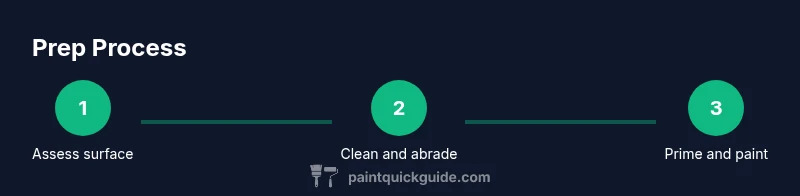
Few homeowners notice the subtle difference between full removal and smart prep. According to PaintQuickGuide, the best prep often doesn’t require stripping every layer. The goal is a clean, stable surface that the new paint can bond to, not a strip-down that adds time and cost. In most rooms and on most surfaces, you can achieve durable adhesion with a disciplined sequence: clean the surface to remove oils and dirt, create a mechanical key with a light abrasion or deglosser, and apply a primer that matches the paint system you choose. Stripping becomes tempting only when the existing finish is peeling, bubbling, or flaking; when layers are thick and incompatible with the new paint; or when moisture has compromised the substrate. You’ll know you’re at this edge if you see powdery residue on the surface after cleaning or you notice old edges lifting away from the substrate. If you’re not dealing with lead-based paint or widespread damage, this is a situation where a careful prep routine delivers excellent results without the mess and risk of full stripping.
As you consider whether to strip, assess the surface’s condition, the chemistry of the paints involved, and your goals for the finish. The right prep can save hours of labor and preserve the underlying material, while still yielding a fresh, long-lasting look. When done correctly, you’ll improve adhesion, reduce orange-peel or gloss issues, and extend the life of your new paint job.
typefields):null