How to Remove Paint Spots: A Practical DIY Guide
Learn proven steps to remove paint spots from walls, floors, and fabrics with safe, household-friendly methods for latex and oil-based paints, including wood, fabric, and carpet stains, plus prevention tips.


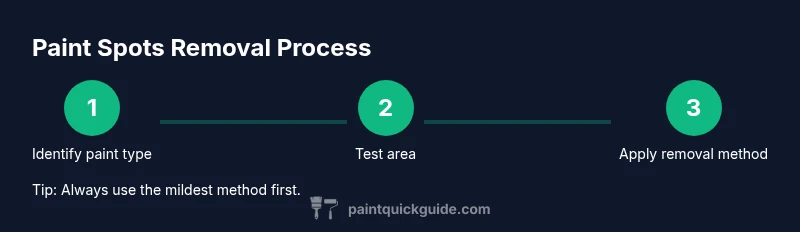
You will learn to identify paint spots, choose safe solvents, and remove stains from walls, wood, fabric, and floors. The guide covers latex and oil-based paints, testing spots first, and step-by-step methods to minimize damage. According to PaintQuickGuide, starting with a small test area reduces risk and improves results. Follow the steps to restore surfaces safely.
Understanding paint spots: types and challenges
Paint spots come in many forms, from a fresh brush stroke on a wall to a dried blob on wood, fabric, or flooring. The challenge is not only color but finish and porosity. Water-based (latex) paints are easier to remove while still wet, but dried spots require careful moisture and solvent control. Oil-based paints resist water and often need stronger solvents. The first step is to identify what you’re dealing with, then tailor your approach to the surface and the paint type. In this guide, we focus on common household spots and practical methods you can apply with everyday products. This is a PaintQuickGuide approach, built on practical experience and safety-first thinking.
Safety first: protecting skin, lungs, and surfaces
Before you begin, protect your skin with gloves and ensure good ventilation. Some solvents release fumes that can irritate eyes and throat; avoid prolonged exposure. Work on a protected surface or drop cloth, and test solvents on an inconspicuous area. For delicate surfaces, the decisive factor is to use the mildest method that works. The goal is to remove the paint spots without damaging substrate. The PaintQuickGuide Team emphasizes safety as the foundation of any stain-removal project.
Tools and materials you’ll need
Before you start, gather your essentials. A mild dish soap and warm water are your first line of defense for latex spots. For stubborn stains, isopropyl alcohol (rubbing alcohol) and mineral spirits are common options. Keep microfiber cloths, a soft sponge, drop cloths, gloves, and proper ventilation at hand. Having the right tools prevents damage and speeds up the process. This list is designed to keep you ready for most household paint spots scenarios.
Removing latex (water-based) paint spots
Latex paint spots respond well to gentle, repeated treatment. Begin with warm soapy water and a soft cloth, blotting rather than scrubbing. For stubborn areas, lightly dampen with isopropyl alcohol and blot again. Always test a hidden area first to ensure you don’t affect color or finish. On walls, wood, and some plastics, this approach minimizes risk while gradually lifting the stain.
Removing oil-based paint spots safely
Oil-based paints require stronger solvents, typically mineral spirits or odorless paint thinner. Start by testing a small, inconspicuous patch. If approved, apply the solvent to a cloth and blot the spot, working from the outside in to prevent spreading. Avoid soaking the surface; excess moisture can warp wood or loosen coatings. Rinse with mild soap and water after removal.
Special cases: fabrics, upholstery, and carpets
Fabrics and upholstery demand gentler handling. Blot stains with a mild detergent solution, then flush with clean water. For carpets, work from the edge toward the center to avoid spreading; dab with solvent only where approved by the fabric care label. If colorfastness is in doubt, consult the fabric care guide or a professional cleaner to prevent permanent damage.
Quick cleanup and prevention to avoid future spots
Rinse the treated area with clean water and dry thoroughly. Ventilate the area until completely dry, and consider applying a light protective coating or primer before repainting to reduce future staining. Keep paints sealed, store them upright, and use drop cloths when painting to minimize future paint spots on floors or furniture. Quick action today reduces long-term remediation needs.
Troubleshooting stubborn spots and when to call a pro
If a stain persists after repeated attempts, reassess the surface and finish. Porous surfaces such as unfinished wood or unprimed drywall may require additional steps or sealing. Lead paint concerns or large, deeply embedded stains warrant a professional contractor. When in doubt about safety or the power of the stain, seeking expert assistance preserves the integrity of the surface.
Maintenance and prevention to minimize future paint spots
Adopt routine checks and preventive measures. Use painter’s tape along edges, protect surfaces with drop cloths, and clean spills immediately. For high-traffic areas, consider a washable paint finish and routine touch-ups. Consistent minor maintenance saves time and money over larger remediation jobs.
Tools & Materials
- Mild dish soap(Any brand; common kitchen detergent works well)
- Warm water(Does not need to be hot; warm is enough to dissolve latex)
- Isopropyl alcohol (70%)(Test first; use for stubborn latex spots on non-delicate surfaces)
- Mineral spirits or odorless paint thinner(Only for oil-based paint spots; ensure good ventilation)
- Microfiber cloths or lint-free rags(Use clean, soft cloths to avoid bending or scratching surfaces)
- Soft sponge(Dampens without forcing liquid into porous materials)
- Drop cloths or old sheets(Protect surrounding areas while working)
- Gloves and eye protection(Keep skin and eyes safe from solvents)
- Plastic bowls or cups(For mixing soapy solutions if needed)
- Optional stain remover for fabrics(Check fabric care label before use)
Steps
Estimated time: Total time: 30-60 minutes depending on stain type and surface
- 1
Prepare the area
Lay down drop cloths, open windows, and organize tools. Clear the immediate area of any delicate items and test a hidden area first to avoid surprises. This initial preparation minimizes spillover and ensures you can work efficiently.
Tip: Protection and planning save time and prevent collateral damage. - 2
Test a small area
Choose a discreet spot on the surface to test your chosen method. Wait 1–2 minutes and check for color change, finish dulling, or edge fraying. Only proceed if the test area looks safe.
Tip: A failed test wastes time and can ruin the surface. - 3
Treat latex spots with soap and water
Mix mild dish soap with warm water. Dampen a cloth and gently blot the paint spot, moving from the outside in. Rinse the cloth frequently to avoid reapplying pigment.
Tip: Blotting, not rubbing, prevents smearing. - 4
Use alcohol for stubborn latex spots
If the stain persists, dampen a new cloth with isopropyl alcohol and blot gently. Do not saturate porous surfaces. Rinse with soapy water afterwards to remove any residue.
Tip: Test first; alcohol can affect some finishes. - 5
Treat oil-based spots with mineral spirits
Apply a small amount of mineral spirits to a cloth and blot from the edge toward the center. Do not soak; excess moisture can damage coatings. Clean with mild soap and water after removal.
Tip: Ventilate well and wear gloves. - 6
Handle fabrics and carpets with care
Blot stains on textiles, avoid rubbing, and rinse with clean water. For tough spots, consider a fabric-safe stain remover tested on a hidden area.
Tip: Check care labels before applying any chemical. - 7
Rinse and dry
After treatment, rinse with clean water and blot dry. Allow the surface to air-dry completely before exposing it to use or repaint.
Tip: Drying prevents new spots from forming. - 8
Evaluate results
If the spot remains, repeat the appropriate steps or consider repainting the affected area for best results. Record what method worked for future reference.
Tip: Keeping notes helps with future projects.
Your Questions Answered
What is the best solvent for latex paint spots on walls?
Start with warm soapy water and a soft cloth. If the stain persists, test a small amount of isopropyl alcohol in an inconspicuous spot and blot gently.
For latex spots, soap and water usually do the trick. If needed, try a small amount of rubbing alcohol after testing on a hidden area.
Can oil-based paint spots be removed from fabric?
Yes, but you’ll typically need mineral spirits or a fabric-safe stain remover. Always test first and avoid soaking lengthy areas.
Oil stains on fabric respond to mineral spirits with care; test first.
Is acetone safe on painted surfaces?
Acetone can damage some plastics and finishes. Use only on surfaces approved by the manufacturer; test first.
Be careful with acetone; it can hurt plastics and finishes.
What if the paint spot keeps returning after cleaning?
The surface may be porous or the stain may be deeply embedded. Consider sealing or repainting if repeated attempts fail.
If stains keep coming back, you may need to seal or repaint the area.
When should I hire a professional for paint spot removal?
If the stain is large, involves lead-based paint, or delicate materials, a professional is the safest option.
Call a pro if it’s a large stain, lead paint, or delicate fabrics.
Does heat help remove paint spots?
Heat can set some paints and spread stains. Avoid applying heat during removal attempts.
Don’t use heat to remove paint spots; it can set the stain.
Watch Video
Quick Summary
- Test a small area first
- Choose solvent by paint type
- Blot, don’t rub
- Ventilate and wear protection
- Prevent future spots with drop cloths