What to Get Paint Off: A Practical Removal Guide
Learn safe, effective methods to remove paint from walls, skin, fabrics, and more with practical tips, tools, and a step-by-step workflow designed for homeowners and DIYers.


If you’re wondering what to get paint off, start by identifying the surface and choosing the safest method. For walls, water-based cleaners or gentle scrapers often work; for skin or fabric, start with soap and warm water, then move to solvents if needed. Test a small area first and work in a ventilated space. This quick guide from PaintQuickGuide helps you begin confidently.
What to get paint off: understanding the scope of removal
Paint spills happen in kitchens, garages, and workshops, and sometimes on skin or clothing. The phrase what to get paint off can apply to many surfaces: walls, wood trim, metal accents, fabrics, and vehicle panels. The goal is to lift or dissolve pigment without harming the substrate. Start with a plan: identify the surface, select a compatible method, and protect nearby areas from splatter. In this guide, PaintQuickGuide explains practical, surface-aware strategies you can apply to most home projects.
Surface-specific strategies: walls, skin, clothing, wood, metal, and glass
Walls respond best to mild cleaners and patience; heavy scrapers can gouge plaster or drywall. For skin, gentler methods like soap and water or oil-based removers minimize irritation. Fabrics and clothing may tolerate stain removers, but always test for colorfastness first. Wood and metal surfaces can tolerate solvents more than porous materials, but always check finish compatibility. For exterior surfaces like concrete or brick, avoid aggressive solvents that might degrade masonry. When in doubt, test a hidden area before full application.
Selecting removal methods: soaps, solvents, and mechanical action
There are three broad approaches: soap-and-water and mechanical action (rubbing or scrubbing) for waterbased paints; mild solvents (isopropyl alcohol, mineral spirits in well-ventilated spaces) for oil-based paints; and physical removal (scraping, heat-assisted methods) for stubborn coatings. Start with the least aggressive method that’s effective on your surface. Remember that solvent strength matters, so never overapply; multiple light applications are safer than a single heavy one.
Prep and safety: PPE, ventilation, and patch testing
Protect yourself with gloves, goggles, and a mask when using solvents. Ventilation is essential to minimize inhalation of fumes; open windows and use fans if possible. Before full application, perform a patch test on a small, inconspicuous area to confirm that the remover won’t damage the surface or remove the finish. Cover surrounding areas with drop cloths or plastic sheeting to prevent collateral damage. Always follow product instructions for dwell times and disposal.
A universal workflow you can follow across surfaces
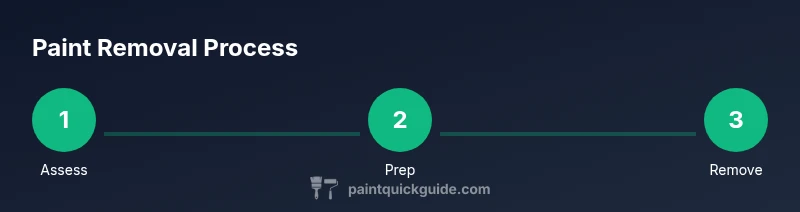
- Prep: clear the area, gather tools, and protect nearby surfaces. 2) Test: apply a small amount of remover to a hidden spot. 3) Apply: coat the paint lightly and let it dwell as recommended. 4) Lift: use a plastic scraper or cloth to lift the paint in gentle strokes. 5) Rinse and inspect: wipe with clean water or solvent as needed and re-treat stubborn spots. 6) Clean up and dispose safely: seal rags and dispose according to local regulations. Following a consistent workflow minimizes damage and speeds results.
Common mistakes that slow removal or damage surfaces
Avoid aggressive scraping that blades into plaster or wood; never heat paint with open flames near solvents. Overreliance on harsh chemicals can dull finishes or raise fumes. Skipping patches tests can result in unexpected damage. Finally, ignoring cleanup can leave residue that attracts dirt or causes discoloration over time.
Cleaning, disposal, and budget considerations
After removal, clean all residues with the appropriate cleaner for the surface and rinse thoroughly. Dispose of solvent-soaked rags and used brushes according to local hazardous-w waste guidelines. Keep an eye on ventilation costs and product coverage; smaller projects often benefit from multi-surface removers designed for household use to minimize the number of products you buy. Budget for PPE and disposal fees just as you would for the primary removal products.
Special scenarios: lead paint, automotive finishes, and exterior coatings
Lead paint requires extra caution; never sand or burn old lead-based coatings. For automotive finishes, you may need a dedicated paint stripper or aggressive solvent designed for metals, followed by careful washing and polishing. Exterior coatings on brick or stucco often tolerate solvent-based cleaners, but test first and avoid washing into soil or garden beds. In all cases, consult product labels and local regulations before proceeding.
Quick references and troubleshooting tips
If a remover is not lifting paint after the recommended dwell time, try a second, lighter coat or switch to a complementary method (e.g., switch from soap to a mild solvent). For stubborn areas, consider a specialty product formulated for the surface (e.g., wood-safe stripper). If you’re unsure, contact a professional for a safer assessment.
Tools & Materials
- Plastic putty knife(Use to gently lift non-bonded paint without gouging surface.)
- Angled scraper(Helpful for tight corners or raised edges.)
- Disposable nitrile gloves(Protect skin from solvents and dyes.)
- Safety goggles(Protect eyes from splashes.)
- N95 mask or respirator(Ventilation is critical; use during solvent use.)
- Mild dish soap(Good for water-based paints and skin cleanup.)
- Warm water(Assists in lifting water-based paints.)
- Rubbing alcohol (isopropyl)(Effective for certain inks and dyes.)
- Mineral spirits (odorless preferred)(Strips oil-based paints on metal/wood in ventilated area.)
- Drop cloths or plastic sheeting(Protect floors and adjacent items.)
- Paper towels or lint-free rags(For blotting and wiping.)
- Bucket(Mix cleaners or rinse water.)
- Sponges(Soft scrubbing without scratching.)
- Paint stripper (surface-specific)(Follow label and ventilation guidelines.)
Steps
Estimated time: 60-90 minutes
- 1
Prep the area and PPE
Clear the space, lay down drop cloths, and put on gloves, goggles, and a mask if solvents are used. This protects you and prevents cross-contamination.
Tip: Ventilate well by opening windows or using a fan. - 2
Identify surface and patch test
Check the material and finish. Apply a small amount of cleaner or solvent on an inconspicuous area to ensure no damage or discoloration occurs.
Tip: If test area shows damage, switch method or stop. - 3
Apply remover or cleaner
Lightly coat the paint with the chosen product according to the label. Let it dwell for the recommended time to soften the pigment.
Tip: Avoid over-application which can soak into porous substrates. - 4
Gently lift the paint
Use a plastic putty knife or soft cloth to lift the paint in thin layers. Work with the grain when possible to minimize surface damage.
Tip: Never scrape hard with metal blades on delicate surfaces. - 5
Rinse and recheck
Wipe away residue with clean water or appropriate solvent, then inspect. Repeat as needed for stubborn areas.
Tip: Change rags frequently to avoid re-depositing pigment. - 6
Final cleaning and surface care
Rinse thoroughly and dry the area. If the surface is finished, consider applying a compatible sealant or re-coat to restore finish.
Tip: Dispose of used rags per local hazardous-waste guidelines. - 7
Dispose of waste safely
Collect all rags, cleaners, and plastics for proper disposal. Do not leave solvent-soaked fabrics crumpled in the room.
Tip: Check local rules for hazardous-waste disposal.
Your Questions Answered
Can I use dish soap to remove paint from skin?
Dish soap and warm water are often effective for removing water-based paint from skin. If paint persists, try mineral oil or baby oil, then wash again with soap. Avoid harsh solvents on skin unless needed and always moisturize afterward.
Dish soap and water usually work for skin, and you can try mineral oil if it sticks. Wash again with soap and moisturize afterward.
Is vinegar a good universal cleaner for paint removal?
Vinegar is gentler and works for some water-based paints on certain surfaces, but it isn’t a universal remover. For stubborn paints, rely on surface-appropriate cleaners or solvents and test first.
Vinegar can help on some paints, but it isn’t universal. Test first and use proper removers if needed.
How do I remove latex paint from wood without damaging finish?
Start with warm soapy water and a soft cloth, then use a plastic scraper to lift the paint. If stubborn, apply a mild, wood-safe remover following the label directions and avoid harsh solvents that can dull the finish.
Begin with soap and a plastic scraper. For stubborn spots, use a wood-safe remover as directed.
What about lead-based paint safety and disposal?
Lead paint requires professional assessment in many jurisdictions. Do not sand or burn lead paint; consider hiring a pro for containment and disposal. Follow local regulations for safe disposal if lead is suspected.
Lead paint needs professional handling; don’t sand it yourself and follow local disposal rules.
How should I dispose of solvent-soaked rags?
Store used rags in a metal container with a tight lid and dispose according to local hazardous-waste guidelines. Do not leave damp rags in direct sunlight or in a closed space.
Put solvent rags in a sealed metal container and follow local disposal rules.
How long does paint remover take to work?
Dwell time varies by product and paint type. Always follow the label’s recommended time and test in an inconspicuous area before proceeding.
Check the product label for dwell time and test first.
Watch Video
Quick Summary
- Identify the surface before choosing a method.
- Start with mild cleaners and patch test first.
- Ventilate and wear PPE for safety.
- Scrape gently and clean thoroughly after removal.
- Dispose of waste properly to protect people and the environment.