How to Remove Paint from Clothes: A Practical Guide
Learn practical, step-by-step methods to remove acrylic, latex, oil-based, and spray paints from fabrics without damaging fibers. Includes tips, safety notes, and product suggestions.


This guide shows you how to remove paint from clothes for acrylic, latex, oil-based, and spray paints. You’ll learn how to identify paint type, choose safe solvents, test colorfastness, and apply step-by-step techniques that minimize fabric damage. Before you start, gather dish soap, isopropyl alcohol, acetone (for stubborn oil-based paints), a stain brush, cold water, and an old towel.
Understanding Paint Types and Why Clothes Respond Differently
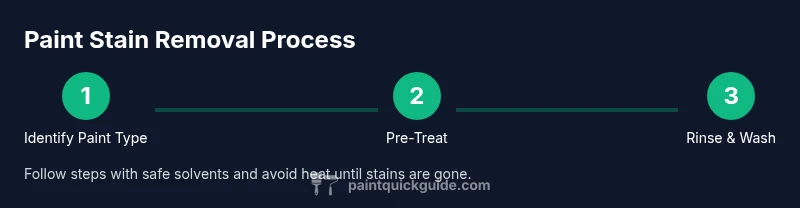
Paint on fabric behaves differently depending on its chemical makeup and drying history. Acrylic and latex paints are typically water-based, while oil-based paints rely on organic solvents to dissolve pigments and binders. Spray paints often combine pigments with solvents that can penetrate fibers quickly. Recognizing the paint type on your garment is the first crucial step because it guides both your solvent choice and your washing approach. According to PaintQuickGuide, identifying the paint type is essential to selecting the most effective stain-removal method and reducing the risk of color loss or fiber damage. Natural fibers like cotton, linen, or wool can hold onto stains longer, while synthetics such as polyester or nylon may respond more readily to certain solvents. Delicate fabrics like silk or rayon require extra caution and gentler methods. Always start with the mildest approach and test a hidden area before treating a visible stain. Remember that heat and agitation can set pigments, so avoid hot water or dryers until you’re confident the stain has been removed. Patience and careful testing are your best tools.
Pre-Treatment: Stop the Spread and Start Right
Time is of the essence when paint lands on fabric. The faster you act, the better your chances of removal. Start by gently lifting or peeling away any still-wet paint with a dull spoon or the edge of a plastic card; avoid rubbing, which can push pigment deeper into fibers. Blot the stain with a clean cloth to remove excess paint rather than scrubbing, which spreads the stain outward. If the garment is washable, turn the fabric inside out and hold it under cold running water from the back to push paint toward the surface. This back-side rinse helps prevent staining the outer fibers you want to preserve. Place a clean towel beneath the stained area to catch drips and protect other fabrics. Finally, check the garment's care label to determine whether pretreatments are allowed and what water temperature is recommended. Short, patient actions at this stage save you from more aggressive and potentially damaging techniques later.
Solvents and Tools: When to Use What
Your toolkit should include mild dish soap, cold water, isopropyl alcohol, solvent options (acetone) for stubborn cases, a soft brush, and clean towels. For water-based paints, you’ll mostly use soap and cold water; a little agitation with a soft brush helps lift the pigment. For oil-based paints, isopropyl alcohol can break down the resin and pigments without soaking the fabric in harsh solvents. If needed, acetone can remove residual pigments from colorfast fabrics, but test first and avoid prolonged exposure. Enzyme-based stain removers can be effective as a follow-up step after the primary treatment. Keep all solvents away from heat sources and ensure the work area is well-ventilated. When using any solvent, always perform a quick colorfastness test in an inconspicuous area by applying a small amount, letting it sit, and checking for color change. This section emphasizes using the safest option first and escalating only if the stain persists.
Step-by-Step Stain-Removal Sequence
- Identify paint type and prep: Start by locating the paint’s likely category (acrylic/latex vs oil-based) and gather your supplies. This guides whether you’ll lean on soap and cold water or solvents like isopropyl alcohol or acetone. 2) Remove excess paint: Gently lift away wet paint with a dull edge; do not rub to avoid embedding pigment deeper. If the stain has started to set, blot with a clean towel. 3) Rinse from the back: Run cold water through the fabric from the backside to push paint toward the surface. 4) Apply mild detergent: Apply a drop of dish soap and work into the stain with your fingers or a soft brush for 5–10 minutes. 5) Soak for water-based paints: Soak in cold water with a touch of detergent for 15–30 minutes; periodically check progress. 6) Treat oil-based stains: Dab isopropyl alcohol on a clean cloth and blot; avoid rubbing. 7) Use acetone cautiously: If needed, apply acetone to a small area on colorfast fabrics for stubborn residues; ventilate the area and limit exposure. 8) Rinse, launder, and air dry: Rinse thoroughly, launder according to label instructions on a gentle cycle, and avoid heat until the stain is fully removed. 9) If needed, enzyme remover: Apply enzyme-based remover as directed and air dry to test; repeat if necessary.
Rinsing, Laundering, and Drying: Final Steps
After the primary stain treatment, rinse the fabric thoroughly to remove residual solvents and detergents. Check the stain; if any color remains, repeat the appropriate treatment using the gentlest method first. Launder the garment according to the care label using the mildest recommended cycle and cold water. Do not tumble dry until you are confident the stain is completely gone, because heat can set the pigment. For delicate fabrics, consider hand washing or using a mesh laundry bag on a gentle cycle. Air-drying shows a truer result than a dryer, which can partially set any remaining pigment. If the stain persists after multiple attempts, you may want to consult a professional cleaner, especially for expensive or delicate fabrics.
Troubleshooting Common Scenarios
Stains vary by paint type and fabric; common issues include color transfer, fading, and fiber damage. If your stain shows immediate color transfer when applying a solvent, stop and re-evaluate; a quick back-to-front rinse can sometimes halt spread. For stubborn acrylic or latex stains on cotton blends, repeating a gentle wash with detergent and cold water can gradually lift pigment. Oil-based stains may need repeated alcohol applications and solvent pauses to prevent fiber damage. When a stain stubbornly resists, avoid aggressive scrubbing or heat and consider enzyme-based pre-treatments. Finally, always wash as soon as possible after solvent exposure to minimize set.
When to Seek Professional Cleaning
If the fabric is delicate, valuable, or if the stain has set for a long time, professional cleaners may offer specialized solvents and techniques that are gentler on fibers. Beforehand, check the garment’s care label and discuss the stain type with the cleaner. For high-value pieces or materials like silk, wool, or leather, professional help is often a safer option than home remedies. A professional service can also advise you on colorfastness and possible fabric restoration techniques. In some cases, you may need to replace the item if the stain cannot be fully removed without harming the material.
Quick Care Habits to Prevent Future Stains
To minimize future paint stains on clothes, handle paints in a designated area with protective coverings and wear old clothes when painting. Keep solvents and brushes organized and away from lint-prone fabrics. If you anticipate spills on clothing, pre-treat areas with a stain-repellent product on items that are machine-washable. Finally, always read garment care labels and follow manufacturer recommendations for cleaning solvents and heat exposure to protect fibers over time.
Tools & Materials
- Dish soap(A mild liquid dish soap works; avoid detergents with optical brighteners that can affect color.)
- Cold water(Use cold or cool water to prevent setting the stain; hot water can fix the pigment.)
- Isopropyl alcohol(70% or higher; test fabric first in an inconspicuous area.)
- Acetone (nail polish remover)(For stubborn oil-based stains on colorfast fabrics; ensure good ventilation and avoid acetate or silk.)
- Soft-bristled toothbrush(Gently scrub the stain after applying soap to help lift pigment.)
- Enzyme-based stain remover(Use as a follow-up if stain remains after initial treatment; follow label instructions.)
- Old towels(Protect surfaces and absorb drips during treatment.)
- Bowl or basin(For soaking or preparing solvent mixtures.)
Steps
Estimated time: 45-90 minutes
- 1
Identify paint type and prep
Start by locating the paint type (acrylic/latex vs oil-based) and gather your supplies. This guides whether you’ll lean on soap and cold water or solvents like isopropyl alcohol or acetone. If you’re uncertain, begin with the mildest method and test for colorfastness on a hidden seam.
Tip: Check the garment care label before applying any solvent. - 2
Remove excess paint
Gently lift away wet paint with a dull edge; avoid rubbing to prevent embedding. If paint has dried slightly, dampen the edge with a little water and continue lifting. Work from the outside toward the center of the stain to contain it.
Tip: Patience here reduces the amount of solvent needed later. - 3
Rinse the stain from the back
Hold the fabric under cold running water at the back of the stain to push paint toward the surface rather than through fibers. This helps to eject pigment rather than drive it deeper.
Tip: If you can’t run water behind the stain, blot with a damp cloth after rinsing. - 4
Apply mild detergent
Apply a drop of dish soap and work it into the stain with your fingers or a soft brush for 5–10 minutes. Rinse gently and assess progress. Repeat if needed before moving to solvents.
Tip: Use a light touch to avoid fiber damage on delicate fabrics. - 5
Soak for water-based paints
For acrylic or latex stains, soak in cold water with a bit of detergent for 15–30 minutes to loosen pigment. After soaking, rinse and re-check the stain to decide if a second pass is needed.
Tip: Stains can reappear after soaking; do not assume complete removal yet. - 6
Treat oil-based stains
If the stain is oil-based, apply isopropyl alcohol to a clean cloth and blot. Do not rub aggressively, which can push pigment deeper. Rinse and assess after blotting.
Tip: Work from the outside in and test for color transfer on a hidden area. - 7
Use acetone cautiously
For stubborn oil-based stains on colorfast fabrics, dab acetone with a cloth and blot. Avoid prolonged exposure and ensure good ventilation. Do not use on acetate or silk without confirming safety.
Tip: Limit acetone exposure to small areas at a time and test first. - 8
Rinse, launder, and air dry
Rinse thoroughly, then launder per care label using a mild cycle and cold water. Do not tumble dry until you’re sure the stain is fully removed since heat can set remaining pigment.
Tip: Air-dry to verify stain removal before using the dryer. - 9
If needed, enzyme remover
If faint traces remain after washing, apply an enzyme-based stain remover following its instructions and air dry to test. Re-treat briefly if necessary but avoid over-treating to prevent fiber damage.
Tip: Some fabrics respond better to multiple light applications rather than one heavy treatment.
Your Questions Answered
Can dried paint be removed from clothing?
Dried paint can sometimes be removed, but success depends on paint type, fabric, and how long the stain has set. Start with cold water rinse, gentle detergent, and repeated treatments before moving to solvents. Avoid heat until the stain is fully gone.
Dried paint can come out, especially with water-based paints. Start with cold water and gentle detergent, then reassess before using stronger solvents.
What is the best solvent for oil-based paints on fabric?
Isopropyl alcohol and, for stubborn marks on colorfast fabrics, acetone can help. Test fabric first and use solvents in a well-ventilated area. Avoid applying near leather or acetate fabrics.
Isopropyl alcohol works for many oil-based stains; acetone can help if the fabric is colorfast, but test first.
Will stain removers affect fabric color or finish?
Most stain removers are safe on many fabrics when used as directed, but always test first and follow garment care labels. Some finishes or dyes may fade with strong solvents.
Always test first; some fabrics may fade with strong cleaners.
Should I use heat to set a paint stain?
Avoid heat until the stain is fully removed. Heat can set pigment deeper into fibers and make it harder to remove.
Don’t use heat until you’re sure the stain is gone, or you risk setting it.
What should I do if the stain remains after washing?
If the stain persists, re-treat with an appropriate solvent or enzyme-based remover and launder again. Consider professional cleaning for delicate fabrics.
If it remains after washing, try another gentle treatment or seek professional help for delicate fabrics.
Watch Video
Quick Summary
- Identify paint type to choose the right solvent.
- Test colorfastness on a hidden area before treating.
- Start with milder methods before harsher solvents.
- Avoid heat until the stain is fully removed.
- Check garment care labels and air dry to verify success.