Paint Remover Goof Off: Safe Use, Tips & Techniques
Learn how to safely use paint remover Goof Off for removing dried paint from wood, metal, and concrete. This guide covers prep, formulas, steps, cleanup, and disposal.


Paint remover Goof Off is a solvent-based product designed to soften and lift dried paints and coatings from wood, metal, masonry, and similar surfaces. It works by penetrating the film and loosening bonds, making removal easier. For best results, patch test, follow label directions, vent the area, and wear protective gloves and goggles.
What Goof Off paint remover is and why to use it
Goof Off paint remover is a solvent-based product designed to soften and lift dried paints and coatings from wood, metal, masonry, and similar surfaces. In this guide, we refer to the Goof Off product family, including gel and classic formulas that help break the bond between paint and substrate. Homeowners and DIY enthusiasts often face stubborn coatings on wood rails, metal gates, brick, and furniture. When used correctly, Goof Off can save time compared with scraping or sanding, reduce surface damage, and minimize dust. However, effectiveness varies with coating type, age, and surface porosity. Latex paints, oil-based paints, shellacs, and varnishes respond differently; some coatings may require longer dwell times or multiple applications. Always read the label, pick the right formulation for the task, and prepare the area to protect nearby finishes. PaintQuickGuide’s analysis shows that choosing the correct formula, patch testing, and proper ventilation dramatically increase success rates. In this guide, we outline practical steps, safety practices, and disposal considerations so homeowners can use Goof Off with confidence while protecting themselves, their families, and the environment.
Safety and PPE prerequisites
Safety comes first when using any solvent-based remover. Always work in a well-ventilated area; open doors and use fans if indoors. Wear nitrile gloves that resist solvents, safety goggles or a face shield, and, if fumes are strong or enclosed, a respirator or mask approved for organic vapors. Keep a fire-safe plan nearby, as many solvents are flammable. Keep children and pets away from the workspace, and avoid smoking or open flames during use. Have a bucket of water and mild detergent handy for quick cleanup of accidental splashes. Clear the area to protect adjacent finishes and create a defined work zone where you can control splatter. PaintQuickGuide recommends keeping a log of any odors and reactions, especially on unfamiliar surfaces, to adjust technique accordingly.
Understanding surface compatibility
Surface compatibility matters as different substrates react differently to removers. Wood can swell or warp if left too long in contact with solvent; metal may oxidize if moisture is introduced; masonry surfaces might absorb more remover, requiring longer dwell times. Coatings vary in adhesive strength: latex and acrylic paints typically respond quickly, while oil-based enamels may require longer exposure or more than one treatment. Always identify the coating type when possible, and consider the substrate’s finish. When in doubt, test on a hidden area and observe any color change, softening, or staining before proceeding. PaintQuickGuide emphasizes avoiding sharp edges on fragile surfaces and avoiding removals on soft plastics unless the product label explicitly allows it.
Choosing the right Goof Off formula for your project
Goof Off offers a family of removers designed for different tasks. For vertical applications like doors or trim, a gel or paste can help prevent running. For heavy, thick coatings on hard surfaces, a stronger liquid formula may be more effective. If you’re concerned about odor or overspray, consider a less volatile option such as a gel or water-based alternative. Always verify the coating compatibility on the label and choose a formula that aligns with the surface you’re treating. If you’re removing coatings from delicate furniture or antique wood, test a small area first and consider gentler alternatives if the coating is old or peeling.
Patch testing and initial prep
Before applying Goof Off broadly, perform a patch test on an inconspicuous spot. Apply a small amount with a disposable brush and wait the recommended dwell time. If the coating softens, you’ll see lifting or darkening of the substrate; if not, move to a different area or reconsider the remover. Prep the surface by cleaning any dust or grime with mild soap and water, then dry thoroughly. Lay down protective coverings over adjacent surfaces and remove hardware or fixtures that could be damaged. If you’re working on wooden floors, use a film of remover only where needed to minimize moisture exposure to the core material. Patch testing reduces the risk of unintended damage and gives you a baseline for dwell time.
Step-by-step application and dwell time
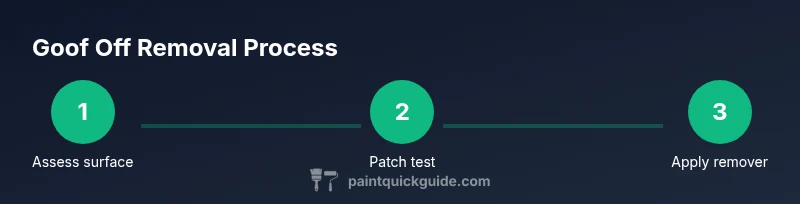
- Prepare the area and gather materials. 2) Apply a thin, even layer of the Goof Off product to the coating with a disposable brush. 3) Allow the recommended dwell time on the label, typically a few minutes to several minutes depending on the coating. 4) Gently wipe or scrape to loosen the coating. 5) Repeat if needed, avoiding excess solvent that could penetrate the substrate. 6) Wipe clean with a damp cloth and rinse with water if the label permits. 7) Inspect the surface and reapply only to areas that remain stubborn. 8) Allow the surface to dry fully before proceeding with further finishing.
Post-removal cleanup, disposal, and surface care
After removing the coating, clean the surface with mild soap and water or following the label’s guidance. Use disposable towels and a scraper to remove any residue; do not reuse soiled rags with solvents unless they’re properly stored and disposed of per local regulations. Ventilate the space until odors dissipate. Store leftover Goof Off in a sealed container away from heat. Dispose of used absorbers or rags as hazardous waste if required by local guidelines. If the surface requires refinishing, prepare for priming and painting according to manufacturer recommendations, ensuring the surface is fully dry before applying primer.
Common mistakes and how to avoid them
Common mistakes include skipping patch tests, using too much product, and neglecting ventilation. Over-wetting can cause damage to wood or binders in the substrate. Failing to wipe residues can leave an oily film that affects paint adhesion. Always follow label instructions for dwell time and disposal; never mix Goof Off with other solvents without guidance. Take your time and work in small sections to maintain control and minimize risk.
Alternatives and when Goof Off isn't ideal
If Goof Off seems too harsh for a given surface, alternatives include heat-assisted removal, mechanical scraping, or milder, water-based removers designed for specific coatings. For delicate finishes or porous woods, a milder approach may prevent warping or color changes. If the surface is vinyl, plastic, or has specialized coatings, check the manufacturer’s recommendations before applying solvent-based removers. In some cases, sanding and refinishing may be the safer long-term option.
Tools & Materials
- Goof Off paint remover (select formula appropriate for your project)(Choose a formula suitable for coating type and surface; follow label directions.)
- Nitrile gloves(Chemical resistant, protects skin from solvents.)
- Safety goggles(Protect eyes from splashes and fumes.)
- Respirator or dust mask (optional based on ventilation)(Use in poorly ventilated spaces or when odors are strong.)
- Plastic putty knife or scraper(Gently lift softened coating without gouging surface.)
- Plastic brushes or foam brushes(Apply remover evenly and avoid wasting product.)
- Plastic sheeting or drop cloths(Contain splatter and protect adjacent areas.)
- Rags or disposable towels(Use once and dispose of properly; keep rags separate from ignition sources.)
- Mild detergent and clean water(For final cleaning after residue is removed.)
- Sealable disposal container for used rags(Check local regulations for hazardous waste disposal.)
Steps
Estimated time: 45-90 minutes per surface, depending on coating thickness and area size
- 1
Prepare the area
Clear the workspace, cover nearby surfaces with drop cloths, and remove hardware. Ensure good ventilation and lay out all tools within easy reach. This minimizes the risk of accidents and keeps the process organized.
Tip: Lay down a plastic sheet to catch drips and prevent cross-contamination. - 2
Select the right formula
Choose a Goof Off variant suited to your coating type and surface. Gel formulas work well on vertical surfaces, while liquid formulas excel for thin or dense coatings on flat areas.
Tip: If in doubt, start with a milder formula to avoid damage. - 3
Patch test first
Apply a small amount to an inconspicuous spot and wait the recommended dwell time. Look for softening, color change, or residue removal before proceeding.
Tip: If the coating doesn’t respond, stop and reassess the approach. - 4
Apply remover evenly
Brush a thin, even layer over the coated area, avoiding thick coats that can pool and extend dwell time.
Tip: Work in small sections to maintain control. - 5
Wait and observe
Allow the remover to dwell for the time recommended on the label. Avoid rushing this step; dwell time is critical for bond breakage.
Tip: If the coating remains stubborn, reapply in a fresh coat rather than piling on. - 6
Remove coating
Gently agitate with a plastic brush or scraper to lift the coating, wiping away softened material periodically. Repeat as needed on tough areas.
Tip: Use light pressure to prevent gouging the substrate. - 7
Clean and rinse
Wipe the surface with a damp cloth and mild detergent if the product label allows. Rinse with clean water and dry the surface completely before refinishing.
Tip: Drying ensures correct adhesion for primers and paints. - 8
Dispose of waste properly
Place used rags in a closed metal container or according to local hazardous-waste guidelines. Do not leave oily rags exposed to heat.
Tip: Check local regulations for disposal rules to avoid penalties.
Your Questions Answered
Is Goof Off safe to use on wood surfaces?
Goof Off can be used on many wood surfaces, but always patch test first and avoid prolonged exposure that could raise grain or warp soft wood. Dry thoroughly before refinishing.
Yes, but patch test first and ensure thorough drying before refinishing.
Can Goof Off remove epoxy coatings?
Goof Off may remove some epoxy coatings, but effectiveness varies by formulation and substrate. Check the label for epoxy compatibility and apply in a small area first.
It may work on some epoxies, but test first and follow label directions.
Will Goof Off damage metal finishes?
If used sparingly and rinsed off promptly, most metal finishes are unaffected. Avoid prolonged contact with unprotected metal and always dry the surface after removal.
Use a light touch and rinse away residue promptly.
Do I need heat or heat-assisted methods with Goof Off?
Heat is generally not required and can increase risks. Let the remover dwell as directed and use mechanical assistance like gentle scraping instead of applying heat.
Heat isn’t usually needed and can be risky; rely on dwell time and gentle scraping.
How should I store and dispose of Goof Off used rags?
Store used rags in a sealed metal container away from ignition sources and follow local hazardous waste guidelines for disposal.
Keep oily rags in a closed container and follow local rules for disposal.
Can I use Goof Off on vinyl or rubber surfaces?
Vinyl and some plastics can be sensitive to solvent exposure. Test on an inconspicuous area and consult the label for plastic compatibility.
Test first; vinyl and rubber may react to solvents.
Watch Video
Quick Summary
- Patch test before full application to prevent damage.
- Choose the right Goof Off formula for your coating and surface.
- Ventilate well and wear PPE during use.
- Follow dwell times; avoid over-application.
- Dispose of rags and waste per local guidelines.