How to Remove Paint from Wood: A Practical DIY Guide
Learn proven methods to safely remove paint from wood, with step-by-step instructions, tools, safety tips, and cost considerations for home projects.


Yes—paint can be removed from wood using chemical strippers, heat, or mechanical scrapers. The best method depends on wood type, paint type (latex vs oil-based), and the finish. Begin by identifying the paint, test a small area, and gather PPE, ventilation, and the right tools. This guide helps you choose a safe, effective approach and avoid damaging the wood.
What Can You Take Paint Off Wood Really Means
If you’re wondering can you take paint off wood, the short answer is yes—though the approach varies. Wood is porous and can be damaged by aggressive methods, so the first step is to identify the paint type, the finish, and the wood species. Latex paints respond differently to strippers than oil-based coatings, and thick or heavily layered finishes may require multiple passes. Another factor is the intended final finish: you may want a bare wood look, a stained surface, or a fresh paint job, and that choice will influence the method you pick. Understanding these factors helps you avoid lifted grain, staining, or gouges. Before you begin, consider environmental conditions, ventilation, and safety, especially if the project is in a living space or a historic home with possible lead-based paint. In this guide, we break down practical options, safety steps, and typical timelines so you can plan with confidence. By following a structured approach, you minimize damage to the wood and maximize your finished result. This is a practical painting guidance piece from PaintQuickGuide, designed for homeowners, DIY enthusiasts, and auto refinishing hobbyists who want reliable, real-world tactics.
Assessing the Wood and Paint Type
To choose the right method, you must assess both the wood and the paint. Start by determining whether the paint is latex (water-based) or oil-based, as solvent choices differ. Do a simple test by gently scraping a small, inconspicuous area with a plastic scraper; if the paint lifts easily with a mild touch, you likely have a water-based coating. For oil-based paints, you’ll typically need a stronger solvent. Consider the wood species and finish; softwoods may dent, whereas hardwoods like oak may resist stripping better but can show grain damage if overwork them. Look for underlying finishes such as varnish or shellac; these can affect both the method and the results. If lead paint is a possibility (common in homes built before 1978), halt any aggressive approach and consult local regulations. Document your findings with photos so you can reference the plan. Once you know the paint type and wood condition, you can decide whether to use mechanical, chemical, or heat-assisted removal. This stage saves time and reduces the risk of accidents or damage.
PaintQuickGuide analysis notes that reporting on wood condition and paint type early improves outcomes and reduces waste.
Methods to Remove Paint from Wood
There are three main families of paint removal methods: chemical stripping, heat-assisted removal, and mechanical scrapers. Each has pros and cons and works better on certain coatings. Chemical strippers loosen the bond between paint and wood, making scraping easier, but they require ventilation and careful disposal. Heat-assisted methods use a heat gun or infrared to soften the paint; this approach avoids some chemicals but risks scorching if misused. Mechanical methods rely on manual or powered scraping, sanding, or sanding with caution to preserve the wood’s surface; sanding after stripping yields the smoothest surface but removes some wood material. For small, delicate pieces, a combination approach—softening with remover then light sanding—often yields the best results. Test any method on an inconspicuous area first. In all cases, wear PPE, follow product directions, and keep children and pets away. The goal is to remove the coating without deforming, staining, or clearing too much of the wood fiber. Also consider waste disposal requirements for solvents and used rags; never pour leftovers down a drain.
Key considerations include whether to start with a milder stripper, how long to let the coating dwell, and how to prevent wood damage during scraping.
When dealing with older homes or visible woodwork, plan your approach to minimize color changes or grain raising. If you’re unsure, start on a hidden area and progress slowly.
Protecting the Wood During Removal
Protecting the wood and surrounding areas is essential to a clean result. Begin by masking adjacent surfaces and laying down drop cloths to catch drips and dust. Use painter’s tape to create clean edges along moldings or joints you don’t want affected. Work on a stable, clean surface and avoid applying removers near hardware or delicate inlays. If a finish is already damaged in spots, consider a small test patch to see how the wood responds before committing to a full pass. Keep a dedicated workspace for rags and waste so solvents don’t migrate to other surfaces. Ventilation helps reduce fume exposure—open windows, use fans, and avoid working in confined spaces. If the wood shows unusual staining or bleeding during removal, back off and reassess the method. The aim is to keep the wood’s structural integrity intact while removing the finish.
Cleaning Up and Finishing After Removal
After removing the paint, thoroughly rinse or wipe the surface to remove chemical residues, following the stripper’s directions. Dry the wood completely before proceeding. A light sanding (start around 120-180 grit) helps smooth remaining ridges created by scraping and prepares the surface for staining or painting. If you plan to stain, test a small area to check color depth and grain visibility. If painting, prime the wood first and apply multiple thin coats rather than a single thick coat. Clean brushes and tools promptly according to solvent guidelines. Proper disposal of solvent-soaked rags is important for safety and code compliance. When finished, inspect for any missed spots and repeat the process if necessary on small patches rather than large areas. Proactive maintenance can extend the wood’s life and appearance.
Safety, Time, and Cost Considerations
Time estimates vary based on project size, paint type, and method. Budget for several hours for a small to medium project, with additional time for drying between steps. Costs depend on the product type (chemical vs heat-based vs mechanical) and the wood’s condition; expect to pay for materials such as strippers, tools, and finishing products. Always prioritize safety: gather PPE (gloves, goggles, respirator), ensure good ventilation, and follow product labels. If working on an older home, consider lead paint regulations and proper disposal practices. PaintQuickGuide recommends planning a staged approach to avoid overworking the wood and to keep the project moving steadily.
Quick-Start Plan for Your Project
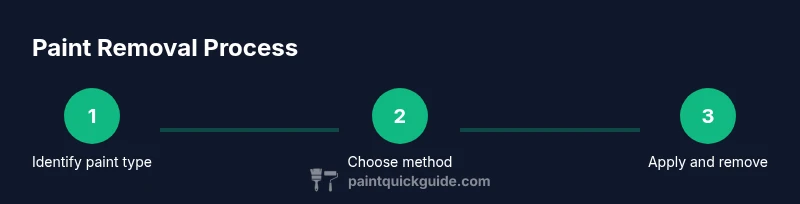
Getting started quickly can save time and reduce mistakes. First, assemble your PPE and tools, then identify the paint type using a small test area. Next, choose a removing method and apply according to the product’s dwell time. After the paint softens, gently scrape with the grain, wipe away residues with mineral spirits or the recommended cleaner, and allow the surface to dry. Finally, sand lightly and apply your chosen finish. A realistic plan helps you stay on track without rushing. If you’re unsure, start with mechanical scraping on an inconspicuous patch and escalate to a chemical stripper only if needed. Remember to keep rags in a metal container with a lid and dispose of solvents per local guidelines.
Tools & Materials
- Chemical stripper/paint remover suitable for wood(Choose a solvent type based on paint; read label for compatibility with wood species)
- Plastic or metal scrapers(Thin blades minimize gouging; keep blades sharp)
- Heat gun (optional)(Set to low heat; avoid scorching the wood)
- Safety gear: gloves, goggles, respirator or mask(N95 or better; ensure proper ventilation)
- Drop cloths or plastic sheeting(Protect floors and surrounding areas)
- Sandpaper (grits 120-180) and sanding block(Smooths surface after stripping; test on hidden area first)
- Cleaning supplies: mineral spirits or appropriate solvent(For residue cleanup per product guidelines)
- Masking tape and painter’s tape(Create borders and protect adjacent surfaces)
- Waste disposal container for rags/solvent(Safe storage until disposal)
Steps
Estimated time: 2-4 hours
- 1
Prepare the workspace
Clear the area, lay drop cloths, and ventilate. Remove hardware if possible to avoid damage. Put on PPE before starting and protect floors and nearby surfaces.
Tip: Lay down a dedicated waste area and keep tools organized for efficiency. - 2
Identify the paint type and compatibility
Determine whether the coating is latex or oil-based. Perform a small patch test to see how the coating responds to a gentle solvent. Note any lead paint concerns and adjust plans accordingly.
Tip: Always prioritize safety when lead paint is suspected; consult local regulations. - 3
Choose and apply the removal method
Select a method based on paint type and wood condition. Apply stripper evenly or use controlled heat, following the product’s dwell time. Don’t hurry this step: proper dwell time makes removal easier.
Tip: Keep the product away from edges to prevent run-off. - 4
Scrape the softened paint
Gently lift the coating with a scraper held at a shallow angle, working with the grain. Wipe away excess material frequently to prevent re-deposition.
Tip: If paint resists, reapply stripper or allow additional dwell time. - 5
Rinse and wipe residue
Use the recommended cleaner or mineral spirits to remove residue. Wipe dry and ensure the surface is clean before further steps.
Tip: Do not mix cleaners unless the label permits. - 6
Sand and evaluate surface
Lightly sand to smooth ridges and remove leftover patches. Assess grain raise and decide if more stripping is needed before finishing.
Tip: Use a sanding block to prevent gouging. - 7
Finish and cure
Apply primer if painting or stain if you want to highlight grain. Allow adequate drying time between coats and after final finish.
Tip: Follow curing times recommended by the finish manufacturer.
Your Questions Answered
What is the safest method to remove paint from wood?
The safest method depends on the paint and wood. Start with milder options like careful scraping or heat-assisted methods, and test in a hidden area. If lead paint is possible, follow regulatory guidelines and consider professional help.
Start with the gentlest method and test on a hidden area; lead paint requires caution.
Can I use household cleaners to strip paint from wood?
Household cleaners usually won't strip paint effectively. Dedicated paint strippers or solvents are often required, and you should follow the product instructions for safe use.
Household cleaners won’t typically strip paint; use a proper stripper.
Will stripping damage the wood grain?
If done carefully with proper technique and the right stripper, you can avoid grain damage. Rushing or aggressive scraping may gouge the surface.
Gouges happen if you rush—take your time and test first.
Do I need to sand after stripping?
Most projects benefit from light sanding after stripping to smooth the surface and prepare for finishing.
A light sanding helps prep for staining or painting.
How long does the process take overall?
Total time varies with project size, paint type, and method. Plan for several hours for a small piece, with drying time between steps.
Plan for several hours depending on the surface.
Watch Video
Quick Summary
- Identify paint type before choosing method
- Protect the wood and surroundings during removal
- Allow sufficient dwell time for chemical strippers
- Finish with light sanding and proper sealing for best results