Paint Remover for Wood: A Practical How-To Guide
A practical guide to choosing and using paint remover for wood, with prep, application, cleanup, disposal, and finishing.


You’ll learn how to choose and apply safe paint remover for wood, test finish compatibility, and remove old coatings without damaging the substrate. This practical, step-by-step guide covers prep, application, waiting times, neutralization, cleanup, and disposal, plus safety considerations, ventilation, and tips for different wood types and finishes. It’s designed for homeowners and DIYers seeking predictable results with minimal mess.
What is paint remover for wood and when to use it
The term paint remover for wood refers to chemicals designed to loosen, soften, or dissolve old coatings so you can lift them from the wood surface without excessive scrubbing. Different formulations target oil-based finishes, latex paints, shellac, varnish, or poly coatings. Selecting the right product depends on the type of finish, the age of the coating, and the wood species. Testing on a patch first is essential. This article, informed by PaintQuickGuide analysis, guides homeowners through choosing and using the right remover safely and effectively. You’ll learn to balance effectiveness with wood integrity, so you avoid raised grain, staining, or surface etching. The goal is to lift the coating cleanly, minimize dust, and leave a ready-to-finish surface. Throughout, keep in mind the keyword paint remover for wood as you navigate product labels and application instructions. For homeowners and DIYers seeking predictable results, this guide delivers practical steps.
Safety first: PPE, ventilation, and environmental considerations
Safety is non-negotiable when working with paint removers for wood. Wear chemical-resistant gloves, splash goggles, and a suitable respirator or well-fitted mask. Ensure the workspace has good ventilation—open doors and windows, use a fan, and avoid confined spaces. Protect surrounding surfaces with drop cloths and tape off the work area. Store chemical products away from heat sources and direct sun, and never mix cleaners. For environmental safety, place absorbent materials under spills and collect waste in sealed containers. If a remover label suggests water-based formulations, prefer those when compatible with your finish to reduce fumes. Always dispose of used wipes and rags according to local rules; improper disposal can pose risks to people and waterways. PaintQuickGuide emphasizes safety and responsible disposal as core parts of any paint removal project.
Choosing the right remover for your wood project
Not all removers are created equal. For most previous finishes, solvent-based or caustic options deliver stronger lifting power, while citrus-based or water-based formulations offer milder alternatives and fewer fumes. If you are dealing with oil-based paints or polyurethane, a stronger remover with appropriate dwell time may be necessary; for shellac or water-based finishes, lighter formulations can be effective and gentler on the wood. Consider wood porosity and grain; soft woods absorb liquids differently than hardwoods, affecting dwell time and cleanup efforts. Gel formulations are helpful on vertical surfaces like doors or rails, because they cling and reduce run-off. When you pick a remover for wood, read the label for compatibility with your finish and wood species, and verify that it is suitable for use on interior or exterior surfaces as needed. Remember: the right paint remover for wood protects the substrate while delivering clean removal. PaintQuickGuide notes the importance of testing compatibility before broad application.
Prep work before applying remover
A clean, prepared surface improves removal results and reduces damage to wood fibers. Begin by removing hardware and fixtures, laying down multiple drop cloths, and sealing off adjacent areas with painter’s tape. Lightly sand any rough edges only if needed to remove loose paint; avoid deep sanding before removing coatings, as this can complicate later steps. Wipe the surface to remove dust and contaminants that could interfere with adhesion. If you suspect lead-based paint on older projects, plan for proper testing and follow lead-safe work practices. Keep a small spray bottle of water handy for quick moisture control and have a timer or clock so you respect recommended dwell times. A well-prepared workspace, combined with the right paint remover for wood, reduces surprises and makes the process smoother. PaintQuickGuide emphasizes deliberate prep as the foundation of a successful finish.
Step-by-step application and removal
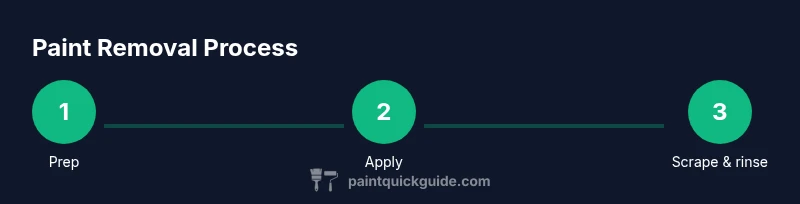
This section outlines the core process, focusing on actions you perform rather than general concepts. Start by applying the remover evenly with a brush or cloth, following the product’s directions. Keep the coating wet for the recommended dwell time to let the chemistry penetrate the coating. If you used a gel, cover with plastic wrap to improve efficacy and minimize evaporation. After the dwell time, use a plastic scraper or nylon scrubber to lift the softened coating with gentle, steady strokes. Work with the grain to minimize raised fibers. If coats resist, re-apply a fresh layer and re-wait the instructed time. When most of the finish has lifted, wipe the area with a damp, clean cloth and inspect. Repeat if necessary, then proceed to cleaning and neutralizing as required by the product. Total time depends on coating thickness and wood condition, but plan for several hours for multi-coat jobs. Pro tip: avoid metal scrapers on soft woods to prevent gouging.
Cleaning up and neutralizing residues
Thorough cleanup prevents future finish issues. Wipe the surface with a clean, damp cloth to remove residue, then follow the remover’s guidance for neutralization or rinsing. For solvent-based removers, wipe with mineral spirits or a dedicated cleaner and then rinse with water to remove any lingering solvent. For water-based removers, rinse with clean water and dry promptly. Wear gloves during cleanup to protect skin, and avoid splashing onto surrounding surfaces. After cleaning, allow the wood to dry completely—this can take several hours to a full day depending on humidity and ventilation. If odors persist, consider placing a fan in the area or using a dehumidifier. When the surface is dry, you can move on to sanding, staining, sealing, or priming as needed, using the most compatible products for your wood type. PaintQuickGuide reminds readers that proper cleanup supports surface integrity and a smooth finish.
Troubleshooting common problems
Some finishes stubbornly resist removal, and you may encounter grain raise after stripping. If the coating remains in patches, re-apply a fresh layer and re-wait, ensuring you follow the dwell time exactly. Uneven lifting can cause splotchy results; in this case, gentle sanding with fine grit after the surface dries can flatten the grain, but avoid heavy sanding before all coatings are removed. If the wood darkens or shows blotching, prepare for light staining or apply a stain conditioner before finishing. For delicate wood, avoid aggressive scraping that can gouge delicate surfaces; use gentle strokes and switch to plastic scrapers. If you notice residue from the remover, re-wipe with the appropriate cleaner and re-dry. Always test a small area before wide application to prevent damage and ensure compatibility with the next finish. PaintQuickGuide notes that patience reduces the risk of mishaps.
Finishing options after removal
Once the surface is clean and dry, you can choose to stain, seal, or paint. If the goal is a natural wood look, consider a stain that highlights grain followed by a compatible top coat such as polyurethane or varnish. For a painted finish, apply a quality primer suited to wood and then your chosen paint. Conditioning softwoods before staining helps achieve even color, while hardwoods often accept stain more evenly. Sand lightly between coats to achieve a smooth surface and remove dust with tack cloth. If you plan to maintain wood beauty, select finishes with UV resistance for longevity. Ensure you follow manufacturer directions for cure times and recoat windows. PaintQuickGuide recommends testing finishes on a scrap piece before applying to the project to predict results and avoid surprises.
Environmental and disposal considerations
Disposal of paint remover for wood and used wipes should follow local regulations. Never pour chemical remover down drains or into storm sewers. Store leftover products in their original containers with tight lids and label clearly. If you must dispose of hazardous waste, contact your local waste management facility for guidance. Ventilation and worker safety are essential during cleanup, so continue to use protective equipment until all residues are gone. For larger projects, consider renting a sealed container for waste collection. By following best practices, you minimize environmental impact and protect water quality. PaintQuickGuide emphasizes responsible disposal and safe handling as essential steps in any wood finishing project.
Authority sources
- https://www.osha.gov
- https://www.epa.gov/lead
- https://extension.oregonstate.edu
Quick comparison: citrus-based vs chemical strippers
Citrus-based removers are milder, lower odor, and often ready-to-use; they may work slower on heavy coatings. Solvent-based or caustic removers offer stronger lifting power but come with greater fumes and stricter cleanup requirements. Gel formulations help with vertical surfaces; liquids work on flat areas but may require more protection for adjacent surfaces. The choice depends on coating type, wood species, ventilation, and project scope. Always test a small area first and follow label instructions for dwell time and disposal.
Tools & Materials
- Paint remover for wood (compatible with finish)(Choose gel or liquid; check label for wood compatibility)
- Plastic drop cloths(Protect floors and nearby surfaces)
- Painter's tape(Seal edges to protect adjacent areas)
- Plastic or nylon scraper(Avoid metal on soft woods; use plastic on delicate surfaces)
- Nylon scrub pad or steel wool (non-scratch)(Use non-scratch on delicate surfaces)
- Chemical-resistant gloves(Long sleeves recommended for protection)
- Goggles or safety glasses(Eye protection is essential)
- Respirator or good mask(Prevent inhalation of fumes)
- Bucket of water and mild soap(For cleanup after water-based products)
- Mineral spirits or appropriate cleaner(Used with solvent-based removers)
- Rags and waste disposal bags(Contain and seal used wipes; separate waste streams)
- Ventilation aid (fan or open area)(Improves airflow during the job)
Steps
Estimated time: 2-5 hours
- 1
Inspect surface and gather materials
Examine the wood to identify existing finishes, damage, and grain issues. Gather all tools and set up a ventilated workspace. Decide on the remover type based on the finish you expect to encounter.
Tip: Scan for lead risk on older pieces and plan protective measures if needed. - 2
Protect area and prep surface
Lay down drop cloths, seal edges with tape, and remove any hardware. Lightly clean loose dirt and paint chips so the remover can work evenly.
Tip: Use a plastic sheet to cover vertical areas to prevent run-off. - 3
Apply remover evenly
Follow the label directions to apply a uniform layer. For gel forms, spread with a brush and ensure full coverage. Avoid pooling in corners.
Tip: Apply in cool, shaded conditions to prevent premature drying. - 4
Allow dwell time
Let the remover sit for the instructed time so the coating absorbs and loosens. Do not rush this step, as it directly affects lift quality.
Tip: Cover with plastic wrap on vertical surfaces to extend effectiveness. - 5
Scrape lifted coating
Gently lift the softened layer with a plastic scraper, working with the grain. Rinse or wipe away residues as you go to visualize progress.
Tip: Keep a damp cloth handy to clean the edge and avoid re-deposits. - 6
Reapply if needed
For stubborn areas, reapply a thin layer and re-wait as directed. Multiple passes are common for multi-layer coatings.
Tip: Do not over-apply; excess product can extend drying times and damage the wood. - 7
Clean up residues
Wipe with a clean cloth, then neutralize or rinse according to product guidelines. Dry the surface thoroughly before proceeding.
Tip: Use mineral spirits for solvent-based removers and water for water-based products. - 8
Final inspection and prep for finish
Inspect for remaining coatings and grain damage. Sand smooth if needed and prepare the surface for staining, sealing, or painting.
Tip: Test a small area with your intended finish to confirm color and adhesion.
Your Questions Answered
What is the best remover for tough oil-based finishes on wood?
Oil-based finishes respond well to stronger solvent-based removers, but always test a hidden area first and follow the dwell time recommended on the label.
Oil-based finishes respond best to stronger removers. Test a hidden area first and follow the label's dwell time.
Is citrus-based remover safer for wood than solvent-based options?
Citrus-based removers are milder with fewer fumes, but they may require longer dwell times on heavy coatings. Choose based on finish and ventilation.
Citrus removers are milder but slower for heavy coatings. Consider finish type and ventilation.
Can I remove paint from wood without chemical strippers?
Mechanical methods alone may not remove multiple coats thoroughly. They’re best used in combination with a chemical remover to soften layers.
Mechanical methods alone aren’t enough for multiple coats; combine with a chemical remover.
How long does paint remover for wood typically take?
Dwell time varies by product and coating; always follow the label. Plan for several minutes to hours depending on thickness.
Dwell time varies; follow the label. It can range from minutes to hours depending on the coating.
Is lead paint a concern and how should I handle it safely?
If your project predates 1978, test for lead and follow lead-safe work practices. Consider hiring a professional if lead is detected.
Lead paint needs testing and safe practices. Hire a pro if lead is detected.
Do I still need to sand after removing paint?
Yes, light sanding often improves finish adhesion and smoothness. Sand after the remover has been fully cleaned and the surface is dry.
Sanding is usually needed to smooth the surface after removal and cleaning.
Watch Video
Quick Summary
- Choose a remover compatible with your finish
- Test compatibility on a hidden area first
- Ventilate well and protect surrounding surfaces
- Follow dwell times and avoid over-application
- Dispose and clean up safely to protect the environment