Can You Use Paint Stripper on Wood? A Practical Guide
Learn whether you can use paint stripper on wood, how to choose the right stripper, safety steps, application methods, cleanup, and refinishing tips for wood surfaces. A practical, step-by-step guide for homeowners and DIYers.


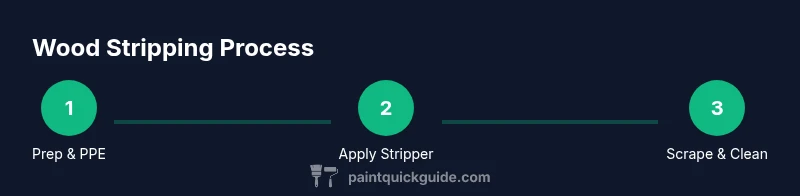
Yes, you can use paint stripper on wood, but choose a wood-safe formula and follow safety guidelines. Start with test patches, ventilate well, wear PPE, and apply as directed by the manufacturer. Allow proper dwell time, remove the finish gently, and neutralize or clean the surface before refinishing.
Can You Use Paint Stripper on Wood? Why this matters for your project
Wood surfaces respond differently to chemical strippers than metal or drywall. The right stripper can remove finishes efficiently while preserving the wood grain, but using the wrong formula can raise risks of damage, warping, or extended work time. According to PaintQuickGuide, selecting a stripper that’s appropriate for the type of wood and finish you’re removing is as important as the technique itself. This article walks through when stripping is appropriate, how to pick a product, and the best practices for a clean, ready-to-refinish wood surface.
Types of Wood Strippers: How to choose the right formula for your project
There are several families of wood strippers, and each works best on certain finishes. Gel strippers cling to vertical surfaces and slow-curing finishes, making them ideal for intricate woodwork. Liquid paint strippers work fast on flat surfaces and are effective on oil-based paints and varnishes. Citrus-based or “eco-friendly” formulas are milder and easier on the wood, but may require longer dwell times. For delicate antiques, consider a product labeled safe for softwoods and previously stained surfaces. Always read the label for wood compatibility and confirm you’re addressing the coating type (lacquer, polyurethane, alkyd, etc.) before application.
Safety First: PPE, ventilation, and workspace setup
Ventilation is essential when using chemical strippers; open windows, use fans, and consider an outdoor space when possible. PPE should include chemical-resistant gloves, goggles, and a respirator or at least an NIOSH-approved mask for solvent fumes. Wear long sleeves and a disposable or washable apron to protect skin and clothing. Keep a dedicated disposal container on hand and never mix chemicals. PaintQuickGuide emphasizes safety as the foundation of a successful stripping project.
Application Techniques: gel vs liquid, application, dwell times, and removal methods
Apply the stripper evenly with a brush or plastic spreader, following the wood grain. For gel formulas, apply a thicker coat and cover to prevent quick drying; for liquids, work in small sections to maintain moisture. Typical dwell times range from 5 to 30 minutes, depending on the product and finish. After the dwell, use a plastic scraper or nylon-bristle brush to lift softened finish. Avoid metal scrapers that can gouge wood. Always test a small area first to gauge effectiveness and avoid wood damage.
Cleanup and prepping for refinishing: neutralizing, cleaning, and sanding
Once the finish is removed, wipe the surface with a damp cloth to remove chemical residues, then rinse with water or a neutralizing solution as recommended by the stripper’s label. Lightly sand the wood to smooth any remaining grain and remove lift from the stripping process. Remove dust with a tack cloth and allow the surface to dry completely before applying stain or topcoat. This prep improves adhesion and ensures even staining and finish.
Common mistakes and how to avoid them
Common mistakes include using the wrong stripper for the finish, skipping a test patch, inadequate ventilation, and rushing the dwell time. Always test in an inconspicuous area, follow the label’s dwell time, and keep the workspace well-ventilated. Don’t rush the neutralizing or cleaning steps; chemical residues can ruin finishes. Using too aggressive a scraper can gouge wood, so switch to a plastic scraper when needed.
Testing a small area and planning your next finish
After stripping and cleaning, test a small area with your planned finish to confirm color, grain lifting, and adhesion. If the grain is raised, wet-sand carefully with fine grit to smooth before staining. For most interior wood surfaces, a stain or clear polyurethaned finish yields the best results; exterior wood might require more robust sealants for weather resistance.
AUTHORITY SOURCES: For safety and best practices, consult authoritative resources such as OSHA, CDC/NIOSH guidance on chemical hazards, and EPA cleaning recommendations. See: https://www.osha.gov/chemical-hazards, https://www.cdc.gov/niosh/topics/chemical-safety/ and https://www.epa.gov/iaq
Tools & Materials
- Paint stripper (gel or liquid, wood-safe)(Choose a formula compatible with the finishes you’re removing (lacquer, polyurethane, oil-based).)
- Plastic scraper or putty knife(Non-metal tools to avoid gouging wood.)
- Nylon-bristle brush(Used to loosen stubborn finishes without scratching.)
- Chemical-resistant gloves(Typically nitrile or neoprene; ensure a good seal at the cuff.)
- Goggles or safety glasses(Protect eyes from splashes.)
- Respirator or good mask(At least a half-face respirator with organic vapor cartridges for solvent fumes.)
- Drop cloths or plastic sheeting(Protect floors and furniture from drips.)
- Painter’s tape(For masking edges and protecting adjacent surfaces.)
- Tack cloths and clean rags(Remove dust and residues without leaving fibers.)
- Water source and neutralizing solution (as labeled)(Some strippers require neutralization after use.)
- Fine-grit sandpaper (220-320 grit)(Lightly sand after stripping to smooth grain.)
Steps
Estimated time: Total time: 2-4 hours per project, depending on area size and finish complexity.
- 1
Prepare workspace and safety gear
Set up a well-ventilated area. Lay down drop cloths, mask off adjacent surfaces, and don PPE (gloves, goggles, respirator). This minimizes exposure and keeps the project contained.
Tip: Ventilation is non-negotiable; open doors/windows and use a fan to create a cross-breeze. - 2
Test a small area
Apply stripper to a hidden corner and wait per the label. If the finish changes as expected, proceed; if not, choose a different product or method.
Tip: Always test before committing to large areas to avoid wood damage. - 3
Apply stripper evenly
Using a brush, apply a uniform coat following the wood grain. For gel formulas, apply a thick layer; for liquids, work in small sections to maintain moisture.
Tip: Avoid over-application to prevent pooling and uneven lifting. - 4
Let dwell and loosen the finish
Allow the stripper to sit for the recommended time, then check for softened finish. Do not force removal while the coating is still firm; premature scraping can gouge wood.
Tip: Different finishes require different dwell times; always follow label guidance. - 5
Remove the coating
Gently lift the loosened finish with a plastic scraper. Move with the grain, avoiding metal tools that can scratch. Reapply stripper if needed on resistant areas.
Tip: Work in small zones to maintain control and prevent rebound drying. - 6
Clean and neutralize
Wipe with a damp cloth to remove residue, then rinse or neutralize as instructed. Allow surface to dry completely before refinishing.
Tip: Skipping this step can hinder adhesion of stain or topcoat. - 7
Light sanding and prep
Use fine sandpaper to smooth raised grain and create a uniform surface. Remove dust with a tack cloth and inspect for any remaining finish.
Tip: Don’t oversand; the goal is a smooth, even base, not a new surface.
Your Questions Answered
Is it safe to strip wood indoors?
Indoors is possible with excellent ventilation and PPE, but outdoor or well-ventilated spaces are preferable. Follow all label instructions and avoid prolonged exposure.
Yes, but make sure you have great ventilation and protective gear, and follow the product’s directions.
Can I use a heat gun instead of chemical stripper?
Heat guns are not a substitute for chemical strippers and can scorch wood or release fumes. Use a stripper, or if heat is necessary, a specialized heat option designed for coatings, strictly following safety guidelines.
A heat gun isn’t recommended as a substitute for stripper; it can damage wood and release fumes.
What finishes can be applied after stripping?
Bare wood can be stained, sealed, or varnished. If the wood is porous or uneven, consider sanding and applying a compatible primer before stain or topcoat.
After stripping, you can stain or seal the wood, but prepare the surface first for best results.
How long does stripping take for a typical piece of furniture?
Dwell times vary; most projects take 20-60 minutes per section, plus cleanup. Larger or multiple coatings may extend the timeline.
Most stripping tasks take a few hours in total, depending on finish thickness and surface size.
How should I dispose of used paint stripper?
Follow local regulations for disposing chemical waste. Many facilities require sealed containers and labeling. Do not pour leftover stripper down the drain.
Dispose of chemical waste according to local rules; do not pour it away.
What about lead-based paint safety?
If you’re working on older wood with potential lead-based paint, follow strict lead safety guidelines and consider contacting a professional for testing and removal.
If lead paint is suspected, treat it as hazardous and consult local regulations or a pro.
Watch Video
Quick Summary
- Test a small area before full use
- Ventilate and wear PPE at all times
- Choose the right stripper for the finish
- Neutralize and clean thoroughly before refinishing