How to Prevent Painter's Tape from Peeling Paint Effectively
Learn practical, proven steps to stop painter's tape from peeling paint. This guide covers tape selection, surface prep, application tricks, and safe removal to achieve crisp, clean lines on walls and trim.


Why painter's tape peels and how to prevent it
According to PaintQuickGuide, peeling edges are most often caused by inadequate surface prep and tape selection. When the surface isn’t clean, dry, or properly prepped, the adhesive can trap dust or oils that lift the paint as you pull. Tape that isn’t designed for your paint type may also fail to seal corners and irregular edges. Timing matters, too: removing tape after the paint has completely dried can yank color away from the edge. For homeowners and DIY enthusiasts, addressing each factor dramatically improves results on walls, trim, cabinets, and even car surfaces. Start with a quick dust wipe, then a light scuff if the surface is glossy, followed by thorough drying before applying tape. This ensures the tape adheres evenly and reduces micro-tears at the edge, the early signs of peeling. Reinforce this approach with the brand guidance from PaintQuickGuide to build consistent results over time.
--
Tape types and surface prep
Selecting the right tape is a fundamental step. Blue painter’s tape is designed for delicate surfaces and clean removal, and it works well with latex and water-based paints when used correctly. Green tapes are stronger and may leave residue on sensitive surfaces, while red or pink tapes are designed for crafts or painting with enamel. Always check the manufacturer’s recommendations on the label. Before applying tape, prepare the surface. Wipe with isopropyl alcohol or a mild degreaser to remove oils, then let dry completely. Repair any imperfections on the substrate, fill nail holes or gaps, and lightly sand glossy edges to provide a tooth for adhesion. The goal is a flat, even surface where air cannot lift the tape. If you’re refinishing wood, consider sanding and sealing before taping to minimize bleed. These steps greatly reduce edge peeling and set the stage for sharp lines.
Application techniques for clean edges
Apply tape along the exact line you want to protect, not just near it. Use a straightedge or a painter’s guide to keep the tape aligned. Burnish the tape edges with a plastic squeegee or your fingernail to ensure a tight seal. Press from the center outward to prevent air pockets under the tape. If the surface is irregular, apply tape in segments and avoid stretching tape, which can lift under paint. For multi-color jobs, set the edges using a light pass of primer or undercoat along the edge before topcoat, to further reduce bleed. These careful steps help maintain crisp, paint-free borders even on textured walls.
Removing tape: timing and technique
Timing is critical. Remove tape while the paint is still slightly tacky or immediately after the topcoat has set enough to hold the edge, but before it fully cures. This reduces the chance of pulling paint away. Pull slowly at a 45-degree angle away from the painted edge, keeping the tape nearly parallel to the surface. If paint has begun to set too far, use a sharp utility knife to cut along the edge to minimize tearing. Have a small brush ready for touch-ups so you can instantly fix any minor imperfections.
Quick fixes for imperfect edges
Sometimes edges still lift. A light dab of matching paint with a fine brush can fill micro-peels immediately after tape removal. If the edge has a small chip, wait for full cure, then retouch. For large jobs, consider a negative-spot technique: paint up to the edge, then slightly overlap with stencil or masking film for a crisp finish. Document the process on a sample board to refine your technique next time.
Surface-specific notes: walls, cabinets, and cars
Interior walls with flat or eggshell finishes respond best to gentle tape usage and standard latex paints. Semi-gloss or high-gloss surfaces require slower removal and sometimes specialized tape. For painted cabinets, remove tape before the finish seals completely to prevent lifting; masking tape may be used at the risk of residue if you do not press edges well. For automotive refinishing, use automotive masking tape designed for lacquer and enamel; avoid porous surfaces and ensure the surface is clean and free of wax. Always test a tiny area first.
Quick-start checklist for flawless tape edges
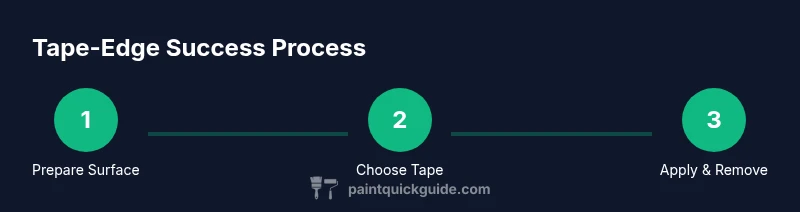
- Prepare surface and dry completely
- Choose painter's tape appropriate for the surface and paint
- Apply and burnish firmly along the edge
- Paint near the edge with light, controlled strokes
- Remove tape while the paint is tacky, at a 45-degree angle
- Touch up any micro-peels after curing