How to Prevent Painted Cabinets from Chipping: A Practical Guide
Discover practical, step-by-step methods to prevent painted cabinets from chipping. This guide covers surface prep, primers, enamel coats, and durable topcoats for a chip-resistant finish.


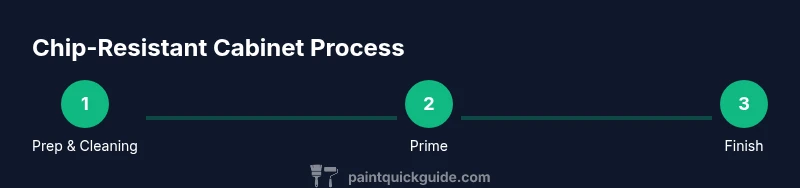
You can prevent cabinet chipping by starting with thorough surface prep, using a high-adhesion primer, and applying several thin coats of durable enamel with proper drying times. Sand lightly between coats, protect edges, and let the finish cure fully before heavy use. Choose a topcoat designed for high-traffic kitchens or cabinets, and maintain humidity and temperature within recommended ranges during curing. This approach minimizes chipping, scuffing, and yellowing over time.
Why Preventing Painted Cabinets from Chipping Matters
Chipped paint on cabinets not only looks worn but also exposes underlying surfaces to moisture, dirt, and stains. If you’re asking how to prevent painted cabinets from chipping, the answer lies in a disciplined process: meticulous surface preparation, high-adhesion primers, thin enamel coats, and durable topcoats. In busy kitchens and bathrooms, frequent cleaning with mild cleaners can erode soft finishes, especially on edges and corners. PaintQuickGuide emphasizes that durability begins the moment you prep the surface. A receptive base reduces the likelihood of micro-splinters and peel, which are common when paint fights adhesion. By prioritizing prep and controlled application, you build a resilient finish that resists daily wear and tear.
Surface Preparation Before Painting Cabinets
Preparation sets the stage for lasting cabinet finishes. Remove doors and drawers to access all surfaces, label parts, and protect hinges. Clean thoroughly to remove grease and residues, then assess for damaged areas. If the surface is glossy, deglossing is recommended to improve adhesion; lightly scuff with fine sandpaper to create a tooth for the primer. In this section, you’ll learn how to prepare cabinets so you know exactly how to prevent painted cabinets from chipping over years of use. A clean, dull surface accepts primer best, ensuring chips don’t start at the edges after opening and closing.
Primers and Sealers That Work on Cabinets
Primers are the unsung heroes of chip resistance. Use a bonding, stain-blocking primer designed for cabinets to ensure adhesion over smooth surfaces and color stains. For knots or resin pockets, a specialized shellac-based primer provides superior sealing. Follow with a sealer or varnish layer if you’re working with soft woods. Primers should be compatible with the chosen topcoat, so you don’t trap solvents. This step is critical—proper priming dramatically reduces the risk of early chipping and ensures a uniform finish.
Choosing Paint Types and Sheens for Cabinets
Cabinet paints span latex, acrylic, and oil-based formulas. For durable kitchen cabinets, choose a hard-wearing enamel or acrylic polyurethane with high abrasion resistance. Semi-gloss or satin sheens balance durability with ease of cleaning, while gloss is more challenging to keep clean. In this decision, consider exposure level: kitchens see more moisture and fingerprints, so a higher sheen often helps. Always verify compatibility with the primer and topcoat you’ll use.
Sanding, De-Glosser, and Between-Coat Prep
Sanding between coats removes nibs and imperfections, creating a smooth final surface. After priming, lightly sand with fine-grit paper (around 220–320 grit), then wipe away dust with a tack cloth. If you’re working on a highly glossy surface, a deglosser or builder’s conditioner can help the paint bite. Between coats, a quick re-sand (very light) ensures the next layer bonds well, which is key to preventing chips and peeling.
Application Techniques for a Chip-Resistant Finish
Apply paint using thin, even coats rather than one thick layer. A high-quality angled brush and a short-nap roller create uniform coverage with minimal brush marks. Maintain a steady hand and a wet edge to avoid lap marks. For smooth, consistent results, consider spray finishing if you have access to a ventilated setup. Always allow sufficient drying time between coats according to the manufacturer’s directions to minimize edge pulling and peeling.
Topcoats, Curing, and Environmental Conditions
Topcoats add the final layer of protection. Choose a durable clear topcoat that is compatible with the enamel you used. Apply thin coats and avoid overworking the surface, which can lift edges. Controlling temperature and humidity accelerates or slows curing; ideal ranges help prevent micro-cracking. During curing, minimize contact with the surface and cover with painter’s tape where needed. Proper curing leads to a tougher finish that resists chipping from daily use.
Edge Protection and Handling During Use
Edges and corners are the most vulnerable points for chipping. When assembling doors, drawers, or frames, handle pieces with care to avoid dings that breach the topcoat. Use soft padding during transport and install hardware with gentle torque to keep edges intact. Regularly inspect for small chips and address them promptly with a touch-up process to stop chips from expanding.
Maintenance and Cleaning to Prevent Chips
Clean with mild, non-abrasive cleaners and a soft cloth to avoid scratching the finish. Wipe up spills promptly to prevent moisture from seeping into any micro-cracks. When deep cleaning, avoid scouring pads that can wear away the finish. A routine maintenance plan keeps the cabinet surface looking new and reduces the risk of chips developing under heavy use.
Common Mistakes That Lead to Chips
Common errors include using low-adhesion primers, applying coats too thick, and skipping sanding between coats. Inadequate ventilation can also cause improper curing, leading to brittle film formation. Pay attention to product compatibility and follow the manufacturer’s curing times to ensure a durable final finish. This section helps you identify habits that increase chip risk and how to avoid them.
Quick Fixes for Small Chips Without Repainting
For minor chips, a careful touch-up with a matching paint, small artist brush, and a dab of glaze can blend the repaired area with the surrounding finish. Feather the edges and wipe away any excess with a clean cloth. For deeper chips, hewing to the same primer and topcoat sequence ensures a more durable fix. Small, timely touch-ups are far less disruptive than full repainting.
Real-World Project Example: From Prep to Topcoat
In a typical kitchen refurbishment, the project begins with removing doors, sanding glossy panels, and applying a bonding primer. After a light sand, two thin coats of enamel are applied with ample drying time between coats. A polyurethane topcoat is used for superior hardness. The result is a chip-resistant surface that stands up to everyday spills, heat, and cleaning agents. This example demonstrates how consistent steps lead to a durable, long-lasting finish and less maintenance over time.
Tools & Materials
- High-adhesion bonding primer(Any cabinets substrate; ensure compatibility with topcoat)
- Cabinet-safe enamel or acrylic polyurethane paint(Choose durable enamel; semi-gloss or satin sheen recommended)
- Fine-grit sandpaper (220-320 grit)(For between-coat prep and deglossing)
- De-glosser or conditioner(Improves adhesion on glossy surfaces)
- Foam roller and angled sash brush(Use for uniform coats; avoid heavy texture)
- Paint tray and liners(Keep coatings clean; replace liners to avoid contamination)
- Tack cloths(Dust-free surfaces between coats)
- Masking tape and drop cloths(Protect nearby surfaces and floors)
- Respirator or mask and eye protection(Ventilated spaces; protect lungs and eyes)
- Drop cloths or plastic sheeting(Contain dust and spills)
- Heat gun or hair dryer(Speed up tack time on small areas (optional))
- Extension pole for roller(Reach higher cabinets without ladder)
Steps
Estimated time: 8-12 hours total (plus cure time)
- 1
Remove doors, drawers, and hardware
Take off doors, drawers, and hardware; label each piece so you can reassemble accurately. This prevents paint on hardware and ensures full access to every surface. Plan where components belong to avoid mix-ups.
Tip: Use labeled bags or sticky notes to track pieces. - 2
Clean surfaces thoroughly
Wipe down all surfaces with a degreasing cleaner to remove oils and residue. Rinse and dry completely before continuing. Clean surfaces improve primer adhesion and reduce chip risk.
Tip: Warm water with mild detergent can help remove kitchen grease. - 3
Degloss glossy areas
Apply a deglosser or lightly sand glossy areas to remove slickness. Deglossing helps the primer bond and reduces future chipping. Avoid oversanding; the goal is dulling the surface.
Tip: Test a small area first to ensure the finish adheres well. - 4
Repair and fill imperfections
Fill cracks, nail holes, and dents with a wood filler; let dry fully and sand smooth. A smooth base reduces chip initiation at weak points. Inspect edges for sharp burrs that could chip coating.
Tip: Wipe away dust before priming. - 5
Sand for tooth
Lightly sand the entire surface with fine grit. The goal is to create a subtle roughness for primer to grab. Wipe clean with a tack cloth after sanding.
Tip: Avoid heavy sanding that can round edges and show through paint. - 6
Prime the surfaces
Apply a bonding primer thinly and evenly; avoid heavy pooling. Allow to dry according to product label; a tack-free surface ensures better topcoat adhesion.
Tip: Ensure good ventilation during drying. - 7
Sand between coats
Lightly sand the primer between coats to remove nibs. Clean dust with a tack cloth. This step streamlines the final finish and reduces chip risk.
Tip: Use 320 grit for a smooth result. - 8
Apply enamel coats
Apply two thin enamel coats with steady, even strokes. Focus on getting full coverage without pooling at edges. Allow proper drying time between coats.
Tip: Keep a wet edge to avoid lap marks. - 9
Sand and inspect after final coat
Lightly sand any imperfections after the final coat; wipe clean. Look for dull, even film across edges and corners to ensure chip resistance.
Tip: Address surreal nibs or dust particles immediately. - 10
Apply topcoat
Finish with a durable topcoat compatible with enamel. Apply thin layers; avoid skipping topcoat on edges where wear is highest.
Tip: A light mist between layers can help even polishing. - 11
Cure and reassemble hardware
Let the finish cure fully in a well-ventilated area; reattach doors and hardware once cured. Protect surfaces during cure to avoid accidental scratches.
Tip: Do not handle delicate areas until cure is complete. - 12
Ongoing maintenance
Schedule periodic cleaning and occasional top-up touch-ups where chips appear. Early care keeps the cabinet surface looking fresh and reduces long-term deterioration.
Tip: Keep a small touch-up kit for quick fixes.
Your Questions Answered
What kind of primer should I use on cabinets?
Choose a bonding, stain-blocking primer suitable for cabinets to improve adhesion on smooth surfaces. For knotty areas, consider a shellac-based primer for better sealing. Always check compatibility with your topcoat.
Use a bonding primer to help paints stick to smooth cabinet surfaces, especially over knots or stains.
Is sanding between coats necessary?
Yes. Light sanding between coats smooths the surface and improves adhesion for the next coat. Wipe away dust with tack cloth before applying the next layer.
Light sanding between coats helps the enamel lay flat and bond better.
What sheen works best on cabinets?
Semi-gloss or satin sheens offer good durability and easy cleaning for cabinet surfaces without appearing overly glossy.
Semi-gloss is usually the best balance of durability and cleanability for cabinets.
How long does it take to cure completely?
Cure time varies by product, but plan for several days before heavy use. Avoid moisture and heavy cleaning during the initial cure period.
A few days are typically needed to fully cure before regular use.
Can I fix chips without repainting the whole cabinet?
Minor chips can be touched up with matching paint using a fine brush. Deeper damage may require blending with glaze and re-coating the area.
You can touch up small chips with careful brush work.
What common mistakes cause chipping?
Low-adhesion primers, thick coats, improper drying, and skipping sanding between coats all increase chip risk. Proper prep and thin coats minimize issues.
Poor prep and thick coats lead to more chips.
Watch Video
Quick Summary
- Prepare surfaces thoroughly before painting.
- Use bonding primer and thin enamel coats for durability.
- Maintain proper curing conditions to prevent early chipping.
- Protect areas during use and monitor for chips early.
- Tackle small chips promptly with minor touch-ups.