How to Clean Painted Cabinets: A Practical DIY Guide
Learn safe, paint-friendly techniques to clean painted cabinets. This step-by-step guide covers prep, gentle cleaners, drying, and maintenance to keep finishes bright and durable without damage.


By following this guide, you will safely clean painted cabinets using mild cleaners, soft cloths, and non-abrasive tools. You’ll remove grime without stripping finishes or warping wood. The approach emphasizes gentle cleaning, spot testing, and thorough drying to keep surfaces looking fresh for years. With the right supplies and a steady routine, maintenance becomes easy, affordable, and effective.
Why Clean Painted Cabinets Matter
If you're wondering how to clean painted cabinets, this routine helps you keep the finish intact while removing daily grime. Painted cabinets brighten kitchens and bathrooms, but the glossy finish also shows every fingerprint, smear, and dust mote. Cleaning is not just about aesthetics; it's about preserving the protective topcoat and preventing moisture from seeping into the substrate. Over time, neglecting routine cleaning can lead to dull spots, peeled edges, or mildew in humid areas. The key is to balance effective grime removal with gentleness; aggressive cleaners or abrasive scrubbing remove finish and alter sheen, reducing durability. According to PaintQuickGuide, maintaining a gentle cleaning routine with soap and water and microfiber cloths can significantly extend cabinet life while keeping surfaces looking fresh. Proper technique matters just as much as the product choice, and a predictable schedule makes cleanup feel effortless for DIYers and pros alike.
How Contaminants Affect Painted Surfaces
Every day, kitchens and bathrooms accumulate a thin film of cooking oils, fingerprints, and spilled beverages, all of which cling to painted cabinets. Dust by itself looks harmless, but it traps moisture and can abrade the surface when wiped aggressively. Grease and cooking splatters create glossy patches that attract more dirt and become harder to remove over time. Watermarks and mineral deposits from hard water can leave streaks that dull the finish. When contaminants sit on the surface, they can start to penetrate the clear coat and, with repeated cleaning, reduce luster. PaintQuickGuide Analysis, 2026 notes that using a mild, soap-based cleaner with a microfiber cloth minimizes friction and helps keep the topcoat intact, while avoiding ammonia-rich solvents that can strip color or cause hazing.
Prep and Safety Before Cleaning
Before you touch any surface, clear the area and protect nearby items from drips. Put on gloves if you have sensitive skin and ensure good ventilation. Test your cleaner on a small, inconspicuous patch of the cabinet to confirm it does not affect color or sheen. Use a damp cloth rather than soaking the wood, and keep cleaners away from open seams where moisture can seep into the core. Lint-free microfiber cloths and a soft non-abrasive sponge are your best friends here, because they lift grime without scratching.
Cleaning Methods by Dirt Type
Light surface dust responds best to a simple wipe with a microfiber cloth dampened in mild soapy water. For grease, use a gentle dish soap solution and a soft sponge, wiping in the direction of the grain to minimize streaks. Marker or ink marks can be lifted with a gentle solvent test; if present, gently rub with a cloth dampened with isopropyl-alcohol-free cleaner and then rinse. For hard water stains, a clean damp cloth followed by a dry microfiber can remove mineral residue without hazing the finish.
Protecting the Finish: Finishes, Sealants, and Cautions
Avoid abrasive scrubs and ammonia-based cleaners that can dull or hazen paint finishes. If your cabinets have a semi-gloss or satin sheen, consider a light wipe with a dedicated cabinet cleaner or a mild soap solution; never saturate the surface. After cleaning, dry thoroughly to prevent moisture intrusion under edges and corners. If you notice wear or dull patches, plan for a light restoration, such as buffing with a soft cloth or applying a compatible top-coat following manufacturer guidelines.
DIY Cleaning Routine: Daily/Weekly Maintenance
Establish a quick daily wipe-down using a damp microfiber cloth to remove fingerprints and splashes. For weekly upkeep, perform a more thorough wipe using the mild soap solution, focusing on high-traffic areas like doors and drawer fronts. Regularly open and close cabinet doors to help air circulate and prevent moisture buildup in corners. Keeping a small cleaning kit handy makes this routine fast and painless.
Troubleshooting Stains and Resin Spots
Stains from coffee or wine can be stubborn but typically respond to a diluted cleaner and cautious scrubbing with a microfiber cloth. If a spot resists, test a tiny amount of cleaner in an inconspicuous area before proceeding. Resin spots from spills may require a gentler solvent test or a professional repaint, depending on finish condition. Always dry after treatment to prevent future staining from moisture.
When to Repaint or Refinish vs Cleaning
If your painted cabinets show flaking, excessive discoloration, or adhesion failure, cleaning won't fix the issue. Cleaning will not salvage a finish that has lost adhesion. In that case, plan a repaint with compatible primer and paint for a durable result. Regular cleaning can extend the life of coatings but has limits when the substrate is compromised.
Common Mistakes to Avoid
Avoid using harsh chemicals, abrasive pads, or wood furniture polishes that leave residues and dull the finish. Do not saturate any area with water or cleaner; moisture is the enemy of wood cores and can lead to warping or swelling. Always test cleaners and ensure surfaces dry completely before closing cabinet doors to prevent mold and odor buildup.
Tools & Materials
- Mild dish soap(Unfragranced if possible; use a small amount on a cloth.)
- Warm water(For diluting soap and wiping surfaces.)
- Microfiber cloths(Soft, non-scratch and lint-free.)
- Non-abrasive sponge(For scouring stubborn grime without scratching.)
- Spray bottle(For controlled application of the cleaner.)
- Bucket(Hold your cleaning solution; keep it separate from rinse water.)
- Old towels or rags(Place under cabinets to catch drips.)
- Optional safe cleaner(Choose a cleaner labeled safe for painted surfaces.)
- Protective gloves(For sensitive skin during cleaning.)
Steps
Estimated time: 45-60 minutes
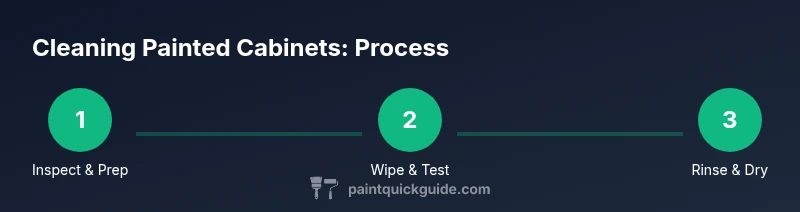
- 1
Prepare the cleaning area
Clear the area, lay towels, and protect nearby surfaces from drips. Put on gloves if desired and ensure good ventilation. This step prevents accidental moisture exposure to cabinetry and reduces cleanup time later.
Tip: Have a dedicated cleaning cloth for the cabinets to avoid cross-contamination. - 2
Dilute a mild cleaner
In a bucket, mix a mild dish soap with warm water. Use a spray bottle for equal coverage and easy targeting of vertical surfaces. Avoid saturating any area; a damp cloth is enough to lift grime.
Tip: Always test the solution on a hidden panel first. - 3
Wipe cabinets with microfiber cloth
Starting at the top, wipe with the damp microfiber cloth in a consistent pattern, typically left to right or top to bottom to track progress and avoid missed spots. Use gentle pressure to avoid removing any paint or finish.
Tip: Use a fresh section of cloth for each pass to prevent re-depositing grime. - 4
Tackle stubborn grease with a sponge
For grease and stuck-on grime, use a non-abrasive sponge dampened with the cleaning solution. Gently scrub in circles or along the grain, then wipe away residue with a clean microfiber cloth.
Tip: Resist the urge to scrub aggressively; aggressive scrubbing damages the finish. - 5
Rinse and dry surfaces
Wipe surfaces with a cloth dampened in clean water to remove soap residues, then dry thoroughly with a dry microfiber or towel to prevent water infiltration.
Tip: Dry edges and corners where moisture can collect. - 6
Inspect and finish
Check for any remaining smudges or streaks; if needed, repeat the wipe-and-dry cycle on those spots. Allow surfaces to air-dry completely before closing doors to prevent moisture buildup.
Tip: If the finish looks hazy, buff lightly with a clean, dry cloth.
Your Questions Answered
Can I use vinegar on painted cabinets?
Vinegar in diluted form is generally safe on many painted finishes, but always test first. Avoid strong acidic cleaners on glossy finishes to prevent dulling.
You can test a diluted vinegar solution, but start on a hidden spot and test first.
How often should I clean painted cabinets?
Light dusting can be done weekly, with a deeper wipe-down every few weeks depending on use and humidity. Adjust frequency for kitchens with heavy cooking.
Dust weekly and wipe down more often in busy kitchens.
Is it safe to use a magic eraser on painted cabinets?
Non-abrasive magic erasers can dull or scratch some paints. Use only if the finish is very robust and test first in a hidden area.
Avoid abrasive erasers on painted surfaces unless you test first.
What about steam cleaning cabinets?
Steam can cause humidity-related damage and may lift paint if used excessively. It's best to avoid steam directly on painted surfaces.
Steam is usually not recommended for painted cabinets.
When should I repaint instead of cleaning?
If the surface shows peeling, major discoloration, or adhesion failure, cleaning won't fix the issue. Consider repainting with proper primer and paint for a durable result.
If you see peeling or severe wear, consider repainting.
Watch Video
Quick Summary
- Use mild soap and microfiber cloths for cabinet cleaning.
- Test cleaners on hidden areas before full use.
- Dry completely to prevent moisture damage.
- Avoid abrasive pads and harsh solvents on painted finishes.
- Regular maintenance extends finish life.