How to Get Paint Off the Floor: A Practical Removal Guide
Learn practical, safe methods for removing paint from floors. This guide covers prep, solvents, scraping, and aftercare for water-based and oil-based paints, with surface-specific tips to minimize damage and residue.


Goal: learn how to get paint off the floor safely and effectively, with minimal damage. This guide covers protective gear, suitable solvents, and gentle scraping, plus step-by-step methods for water-based and oil-based paints, plus fast cleanup tips. According to PaintQuickGuide, surface-specific precautions are key to successful removal, so homeowners can address spills and splatters quickly and cleanly, and specifically address how to get paint off the floor.
Understanding Paint Types and How They Behave on Floors
Paint on floors can be water-based (latex) or oil-based (alkyd). Water-based paints typically wash off with soap and water but may leave a faint chalky film if they dry. Oil-based paints are tougher and demand stronger solvents or mechanical action. The surface itself matters: sealed concrete, epoxy coatings, hardwood, laminate, or vinyl each respond differently to cleaners and scribing tools. Before you begin, identify the paint type by checking the bottle label if available, observing the dried film’s tackiness, gloss, and odor. This knowledge guides your approach and helps prevent damage to finishes. Always test a small, hidden area first, and work in a well-ventilated space. For those asking how to get paint off the floor without compromising the finish, start with gentler methods and escalate only if needed. The PaintQuickGuide team emphasizes careful prep as the foundation of success.
Preparation and Safety Before You Start
Prep work is half the battle. Clear the area, cover nearby carpet or furniture with drop cloths, and ensure good ventilation. Put on PPE: chemical-resistant gloves, safety glasses, and a mask if solvents will be used. Identify the paint type and test a patch to determine reaction with your chosen method. Gather all tools before you begin to minimize wandering around the room. PaintQuickGuide analysis shows that prompt, contained cleanup reduces staining and makes removal easier by limiting spread and set time. If you’re dealing with a spill on wood or laminate, note the finish so you avoid stripping or dulling it. Remember, safety comes first—protect yourself and the surroundings, and you’ll save time later.
how to get paint off the floor
Some readers want a quick, surface-level fix. In practice, you’ll want to choose a method that suits your floor type. For smooth concrete or epoxy, gentle scraping combined with a solvent tends to work well; for wood or laminate, milder approaches preserve the finish while removing droplets and thin layers. The goal is to remove the paint without gouging or lifting the top coat or sealant. Always maintain a steady, shallow angle with plastic scrapers and avoid metal blades on delicate surfaces.
Mechanical Removal Methods: Scraping, Buffing, and Scrubbing
Mechanically removing paint is often the first approach. Start with a plastic putty knife or a dedicated plastic scraper to lift edges without scratching the surface. For stubborn spots, a non-woven pad or low-grit abrasive can help, but never press hard or dig. Keep the blade almost flat against the floor and work along the grain on wood floors to minimize gouging. If you notice the finish dulling, pause to rinse and re-evaluate. If you’re unsure about a spot, switch to a milder method and test again.
Solvent-Based and Water-Based Approaches
Choose a method based on the paint type. Water-based paints respond well to warm soapy water, rubbing alcohol, or a specialized water-based stripper. Oil-based paints benefit from mineral spirits or citrus-based cleaners, but always test first and work in a ventilated area. Apply the solvent to a rag or cotton pad and let it sit for a few minutes to soften the film before scrubbing gently. Remember to change rags frequently to avoid spreading paint around. Always follow the product directions and keep solvents away from heat sources.
Dealing with Stubborn Paint and Stains
Some spots resist initial attempts. For stubborn residues, consider a dedicated paint remover or gel stripper aimed at the paint type. Apply a thin layer, let it dwell as recommended, then lift with a plastic scraper. Avoid over-application which can damage the surface. For latex, re-wetting with water and mild detergent can help; for oil-based paints, a longer dwell time may be necessary. Always test a patch first to protect sensitive finishes.
Aftercare: Cleaning, Rinsing, and Finishing
Thorough rinsing removes solvent residues that attract dirt. Wipe with a damp cloth, then rinse with clean water and dry thoroughly. If you used a chemical stripper, follow with a neutralizing rinse or a mild soap solution to restore pH balance. Once dry, inspect for any remaining tint and repeat the process where necessary. Re-seal or re-wax if the floor requires protection after paint removal, and ventilate the space to dry completely to prevent warping or staining.
Common Mistakes and Quick Fixes
Common mistakes include using metal scrapers on soft coatings, skipping patch tests, and neglecting ventilation. Excess moisture can drive paint deeper into the surface; avoid leaving water sitting on wood or cork floors. If you notice swelling or discoloration, stop immediately, dry the area, and reassess your approach. For quick fixes, focus on small patches rather than large sections to gauge effectiveness before expanding the effort.
Tools & Materials
- Safety gear (gloves, eye protection, mask)(Protect skin, eyes, and lungs from solvents and dust)
- Drop cloths or plastic sheeting(Protect adjacent surfaces and furnishings)
- Plastic scraper or putty knife(Use a non-metal blade to avoid scratches)
- Non-woven scrub pads or fine-grit sandpaper(For stubborn edges; test first to avoid damage)
- Mild detergent and warm water(Initial cleanup and rinsing)
- Isopropyl alcohol or mineral spirits(Choose based on paint type; test patch first)
- Rags or microfiber cloths(Wipe and blot; replace as needed)
- Paper towels or disposable cloths(For quick cleanup during steps)
- Plastic spray bottle(Mist water for gentle rinsing)
- Optional paint stripper or remover gel(Follow label directions; use sparingly)
Steps
Estimated time: 60-120 minutes
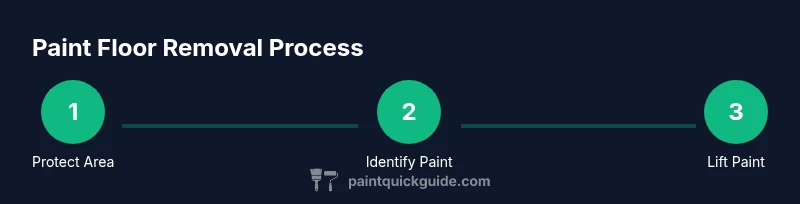
- 1
Protect the area
Clear the space and lay down drop cloths. Don PPE to prevent solvent exposure. This step prevents collateral damage and makes cleanup faster.
Tip: Secure cloths with tape and keep solvents away from heat sources. - 2
Identify the paint type
Look for a dried film type and labeling to distinguish water-based from oil-based paints. This choice determines the solvent or method used.
Tip: If unsure, start with the gentlest approach and escalate if needed. - 3
Test a small patch
Choose an inconspicuous area and test your removal method for surface reaction. This prevents large-scale damage.
Tip: Wait the recommended dwell time and observe any discoloration or damage. - 4
Select a removal method
Decide between mechanical scraping, solvent application, or a combination. Plan for a staged approach to limit surface wear.
Tip: Begin with mechanical removal on the edge before applying solvents to the center. - 5
Apply solvent or begin scraping
If using solvent, apply lightly and let it dwell; if scraping, use slow, shallow passes. Avoid aggressive scrapes that gouge.
Tip: Refresh the solvent on a fresh rag to avoid re-depositing paint. - 6
Lift paint gradually
Work from edges inward, lifting with the blade at a shallow angle. Wipe residue frequently to monitor progress.
Tip: Keep strokes parallel to the surface to minimize scratches. - 7
Rinse and dry
Rinse with clean water and blot dry to remove all traces of solvent and paint. Ensure the area is fully dry before proceeding.
Tip: Use a fan to speed up drying and prevent warping on wooden floors. - 8
Inspect and repeat if needed
Check for any remaining tint and repeat steps as necessary. Do not over-wet or over-scrub sensitive surfaces.
Tip: If stubborn spots persist, switch to a milder method or gel remover and re-test.
Your Questions Answered
Is it safe to use bleach or ammonia for floor paint removal?
Bleach or ammonia is not recommended for floor paint removal on most surfaces; they can damage coatings and create fumes. Use appropriate solvents or mechanical methods first.
Bleach or ammonia isn’t usually a good option for removing floor paint; try solvents or mechanical removal first.
Can I remove paint from wood floors without sanding?
Yes. With careful application of gentle solvents or plastic scraping, you can lift paint without sanding. Always test first and work slowly to protect the finish.
You can remove paint from wood without sanding if you’re careful and test first.
What should I do if paint dries and hardens?
Dry, hardened paint may require a stronger remover or longer dwell times. Test a small patch and follow the product directions to avoid surface damage.
If it dries hard, you might need a stronger remover and longer dwell time.
How long does it take to remove floor paint?
Time varies with paint type and surface. Plan for shorter sessions for spills and larger spots may take longer depending on finish and porosity.
It depends on the paint and surface; larger areas take longer.
Are there eco-friendly paint removers?
Yes, there are lower-VOC and safer options. Read labels for environmental impact and choose safer formulations when possible.
Yes, you can use safer, low-VOC removers with careful testing.
Should I dispose of used solvents safely?
Dispose of used solvents according to local regulations. Never pour solvents down the drain or into the soil.
Dispose of solvents as required by local rules; don’t pour them down drains.
Watch Video
Quick Summary
- Identify paint type to select a safe method.
- Test patches before full removal to protect finishes.
- Protect surroundings and ventilate during cleanup.
- Rinse thoroughly and dry to prevent staining.