How to Get Paint Off Wood Floors
Learn safe, step-by-step methods to remove paint from wood floors without damaging the finish. Tools, prep, mechanical and chemical options, drying times, and refinishing tips.


To get paint off wood floors, use a careful blend of mechanical scraping and appropriate cleaners, then finish with cleaning and refinishing. Start by identifying the paint type and testing a small area, then gently lift the paint with a plastic scraper or solvent suitable for wood finishes. Always protect surrounding surfaces and wear safety gear.
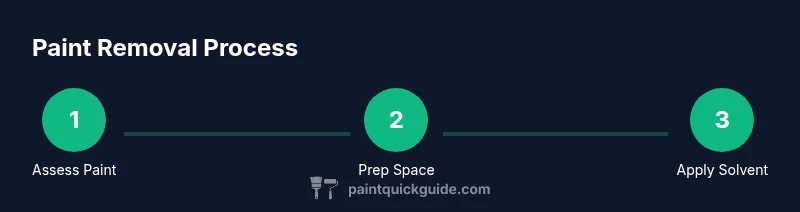
Assess the paint type and floor finish
Paint on wood floors can be water-based latex or oil-based alkyd. Determine which you’re dealing with by checking labels or testing a small area. If you’re unsure, begin with the least aggressive method that works for both (mild soap and water) and avoid harsh solvents on glossy finishes. According to PaintQuickGuide, start with a conservative plan and proceed gradually to protect the wood and any existing finish. Look for telltale signs of finish type, such as a polyurethane sheen or waxy surface, which will influence your choice of cleaner and Scraper technique. Take photos of the area before you start so you can compare results as you progress.
For homeowners, the goal is to remove visible paint without sanding or removing the protective layer beneath. If the finish is already dulled or damaged, plan for refinishing later rather than attempting aggressive removal. Testing small patches on inconspicuous areas helps prevent color changes or surface gouges. Keep in mind that some paints can chemically interact with certain finishes; when in doubt, opt for mechanical methods first and save chemical options as a backup.
Safety and prep: protecting yourself and floors
Before you touch the floor, protect yourself and the space. Put down drop cloths or old towels to catch drips and dust. Wear safety goggles, chemical-resistant gloves, and a respirator or at least a well-ventilated mask when solvents are involved. Remove rugs and move furniture to create a clean working zone. Ventilate the room by opening windows or using a fan to disperse fumes. If your floors have a varnish or polyurethane coating, you’ll want to preserve it as much as possible while removing the paint. Keep the area well-lit and take breaks to avoid fatigue, which can lead to careless scrapes or missed spots.
This preparation phase reduces the risk of staining nearby surfaces and helps you monitor progress more accurately. PaintQuickGuide’s guidance emphasizes meticulous prep as the foundation for a successful removal job.
Mechanical removal: gentle scraping and friction
Mechanical removal is often the safest first approach. Use a plastic putty knife or a dedicated floor scraper with a flexible blade, held at a 30–45 degree angle to the floor. Work in small, straight strokes along the grain to avoid gouging. If the paint resists, switch to a dry scrubbing motion with a microfiber cloth, then re-evaluate. For stubborn edges, a heat source like a hair dryer set on low can soften soft latex paints, making scraping easier—but avoid heat near finishes that could soften or warp. Keep the blade clean and dry to prevent scratching.
Remember to take breaks and inspect the wood’s surface after each pass. The goal is to lift paint without removing the underlying finish or creating ridges. Prolonged aggressive scraping can lead to raised grain or scratches that require refinishing.
Chemical options: solvents and paint strippers
If mechanical removal isn’t enough, apply a wood-safe solvent or paint stripper in a controlled, small area. For water-based latex paints, warm soapy water or isopropyl alcohol can work in many cases. For oil-based paints, mineral spirits or a denatured alcohol-based solvent may be more effective. Always test on an inconspicuous spot first and follow the product’s instructions. Ventilate the space well, wear PPE, and keep coatings away from unfinished wood seams or joints. Do not pour solvents into gaps; use a lint-free cloth dampened with the solvent and press gently.
Only use chemical strippers designed for wood floors if necessary, and never apply them to flooring with wax coatings that could trap chemicals. If you observe discoloration or finish dulling, stop and reassess. PaintQuickGuide recommends restraint with solvents to minimize damage and avoid requiring extensive refinishing.
Cleaning and drying: finish removal and prep for refinishing
After paint removal, wipe the area with a clean, damp cloth to remove solvent residues, then rinse with plain water and blot dry. Drying complete surfaces thoroughly helps prevent warping or moisture damage. Inspect the floor for any remaining paint flecks and address them with a light touch of the scraper or sanding block as needed, taking care not to remove too much of the existing finish. If the wood looks patchy or rough, a light sanding with fine-grit sandpaper (e.g., 180–220 grit) can smooth the surface before refinishing. Allow the surface to dry completely before applying any finish.
A clean, dry surface ensures the new finish adheres evenly and evenly shows color. PaintQuickGuide suggests documenting the area that was treated so you can compare results after refinishing.
Refinishing the floor after paint removal
If the existing finish is damaged or dulled, refinish the area to restore uniform appearance and protection. Lightly sand the treated area to remove any residual roughness, then clean again to remove dust. Apply a compatible floor finish—either water-based or oil-based polyurethane or another floor-grade sealant—following label instructions for temperature, humidity, and curing times. Apply thin, even coats, allowing each coat to dry fully before adding the next. Sand lightly between coats with very fine sandpaper if required and remove all dust before the final coat. The goal is a smooth, even surface that matches the surrounding floor.
If you’re unsure about finish selection or curing conditions, consider consulting a professional for the refinishing stage. PaintQuickGuide emphasizes patience here; a proper finish protects against future wear and helps avoid peeling or staining.
Common mistakes and how to avoid them
Common missteps include using metal blades that can gouge wood, ignoring ventilation, and rushing the process with aggressive chemicals. Avoid lifting paint by force or scrubbing sideways across the grain, which can create uneven patches. Always test cleaners in an inconspicuous area first, and protect nearby surfaces from drips. If you notice discoloration, finish removal, or new damage, pause and reassess rather than pushing through. Maintain steady, careful movements and document progress to ensure a consistent result. By avoiding these blunders, you’ll preserve the wood’s integrity and achieve a clean, even result.
Quick recap and next steps
Removing paint from wood floors requires a balanced approach: identify the paint type, prep properly, and start with mechanical removal before resorting to solvents. Protect the surrounding area, work in small sections, and verify every result before moving on. When the paint is finally gone, refinish as needed to restore protection and beauty. If in doubt, seek professional advice to ensure a long-lasting finish and prevent costly mistakes.
Tools & Materials
- Plastic putty knife or floor scraper(Flexible blade; 2–3 inch width works well for edges)
- Soft sponge or microfiber cloth(For blotting and cleaning residue)
- Mild soap and water(Initial cleaning before solvents)
- Isopropyl alcohol or mineral spirits(Test area first; vented space; wood-safe solvents)
- Wood-safe paint stripper (optional)(Use only if paint is stubborn; follow label directions)
- Gloves, eye protection(Protect skin and eyes from cleaners and solvents)
- Mask or respirator(Needed for solvent use in poorly ventilated spaces)
- Drop cloths and painter's tape(Protect nearby fixtures and edges)
Steps
Estimated time: 60-90 minutes
- 1
Identify paint type and assess finish
Examine the area to determine if the paint is latex or oil-based and whether the floor has a current finish. Document findings with photos and test a small patch with mild cleaner. This helps determine the safest removal path and prevents unnecessary damage.
Tip: Start with the gentlest method and work in a small area to monitor impact. - 2
Clear area and protect surroundings
Remove furniture, cover edges with tape, and lay down drop cloths to catch drips. Ensure the room is well-ventilated and that pets and kids are kept away from the work zone.
Tip: Use painter's tape to shield baseboards and adjacent wood. - 3
Test cleaner in a hidden spot
Dampen a cloth with mild soap and water or alcohol and test on an inconspicuous patch. Wait 1–2 minutes to observe any reaction in color or finish before proceeding.
Tip: If the finish shows any color change, stop and switch to a gentler method. - 4
Gently lift paint with plastic scraper
Hold the scraper at a shallow angle and work along the grain in straight strokes. Avoid circular scrubbing, which can gouge the wood.
Tip: Keep the blade clean to prevent smearing paint into wood grain. - 5
Clean residue with mild soap and rinse
Wipe away lifted paint and any solvent residues with a damp cloth, then rinse with clean water. Dry the area with a towel to prevent moisture buildup.
Tip: Change cloths frequently to prevent re-depositing paint. - 6
Tackle stubborn spots with a solvent (if needed)
Apply a small amount of isopropyl alcohol or mineral spirits to a cloth and blot the stubborn area. Do not pour solvents directly on the wood.
Tip: Always test first and ventilate the space well. - 7
Rinse, dry, and inspect
Rinse the treated area, dry completely, and inspect for any remaining paint or texture differences. If needed, lightly sand the area before refinishing.
Tip: Drying time varies; ensure the surface is completely dry before finishing. - 8
Consider refinishing if finish is compromised
If the original finish is damaged, plan for a light sanding and application of a compatible floor finish. Follow manufacturer instructions for curing times.
Tip: A consistent finish across the entire floor yields the best result.
Your Questions Answered
What is the best method to remove latex paint from wood floors?
Latex paint is water-based and often lifts with warm soapy water and a plastic scraper. If stubborn, a small amount of isopropyl alcohol can help. Always test first and avoid damaging the wood finish.
Latex paint usually comes off with warm soap and a scraper. If needed, test a small amount of alcohol, but always check first to protect the finish.
Can I use chemical paint strippers on wooden floors?
Yes, but choose wood-safe formulas and follow the instructions closely. Ensure good ventilation, wear PPE, and test in a hidden area. Avoid using strippers on unfinished wood or near joints where finish protection is thin.
Yes, but pick wood-safe strippers, follow directions, and test first in a hidden spot for safety.
How do I prevent damage to the finish while removing paint?
Work slowly, use a plastic scraper, and avoid metal tools. Test cleaners first, respect grain direction, and stop if you see discoloration or gouges. Consider refinishing if the finish shows wear.
Move slowly, test first, and protect the finish. Stop if you see damage and plan refinishing if needed.
What if the paint is oil-based?
Oil-based paints typically require stronger solvents like mineral spirits. Use them in a well-ventilated area and apply with cloths rather than pouring directly on wood. Test a small area first and proceed with caution.
Oil-based paints often need stronger solvents; ventilate the space and test first.
When should I refinish after removing paint?
Refinish if the finish is dull or damaged. Lightly sand the treated area and reapply a compatible floor finish, allowing proper curing times between coats. For stubborn spots, professional help may be best.
If the finish looks worn, refinish after removing paint.
Watch Video
Quick Summary
- Identify paint type before removal.
- Test cleaners in a hidden spot first.
- Start with mechanical lifting, then solvents if needed.
- Protect surrounding surfaces and ensure thorough drying.
- Refinish as necessary for a uniform floor.