Do You Need to Paint Pressure Treated Wood? A Practical Guide
Learn whether painting pressure treated wood is necessary, how to prep, primer, and finish, and step-by-step tips for decks, fences, and outdoor projects. Practical advice for homeowners and DIYers from PaintQuickGuide.


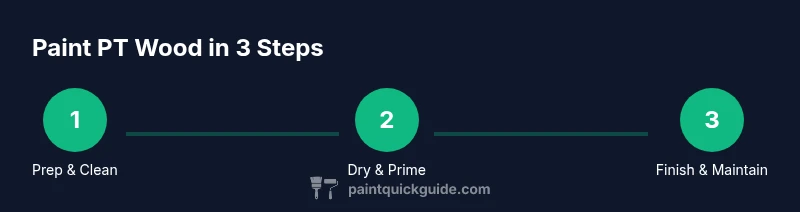
Do you need to paint pressure treated wood? Not always, but finishing exterior PT wood helps combat moisture and UV damage. Wait for proper drying, then prime and apply your chosen finish. For a natural look, a clear sealant is an option, though it may require more maintenance.
Do you need to paint pressure treated wood? The direct answer is: not always, but in most exterior projects it’s a smart move. Pressure-treated lumber is designed to resist rot and insect damage, but without a finished coat it absorbs moisture and sunlight directly, which over time can lead to warping, cracking, and a faded appearance. A well-chosen finish — whether paint, stain, or a clear sealant — provides a protective barrier that reduces moisture uptake and slows UV damage. Your final decision should match your goals and climate. If you want vibrant color for a deck railing or a fence, paint is a good option. If you prefer a more natural look that shows grain while still offering protection, a penetrating stain or a clear UV sealant may be better. In either case, the surface must be clean, dry, and free of mill glaze or old coatings before you apply a new finish. According to PaintQuickGuide, many homeowners achieve the best balance by pairing a primer with a high-quality exterior finish, ensuring adhesion and longevity. They emphasize choosing products labeled for exterior wood and specifically for pressure-treated lumber. By understanding your climate, expected wear, and maintenance expectations, you can decide whether you’ll paint, stain, or seal — and how often you’ll recoat to keep your PT wood looking great.
Tools & Materials
- Exterior wood cleaner(Used to prep the surface and remove mildew before finishing.)
- Wire brush(Loosen loose fibers and mill glaze without gouging wood.)
- Fine-grit sandpaper (120–150 grit)(Smooths rough patches for better adhesion.)
- Paint roller and brushes(Roller for flat surfaces; brush for edges and rails.)
- Exterior bonding primer(Promotes adhesion on PT wood and blocks tannin bleed.)
- Exterior paint or stain with UV protection(Choose product labeled for exterior wood and PT lumber.)
- Masking tape and drop cloths(Protect adjacent surfaces during application.)
- Safety gear (gloves, goggles, mask)(Protect yourself from dust, solvent fumes, and chipping resin.)
- Moisture meter (optional but recommended)(Helps determine when wood is dry enough to finish.)
Steps
Estimated time: Active work 6-12 hours; drying between coats 24-72 hours; total project 1–3 days depending on weather.
- 1
Decide on a finish
Choose between paint, stain, or a clear sealant based on aesthetics, maintenance, and climate. Record your decision to guide prep and product selection.
Tip: Consider a two-coat system (primer + finish) for best longevity. - 2
Clean the surface
Scrub the wood with a dedicated cleaner or mild detergent, rinse thoroughly, and let dry completely. Remove mildew, dirt, and any previous coatings.
Tip: A clean surface improves adhesion and color uniformity. - 3
Dry and test the wood
Ensure the wood is dry before coating. Use a moisture meter if available; proceed only when readings indicate adequate dryness.
Tip: Avoid finishing on damp wood to prevent peeling. - 4
Apply primer
Apply an exterior bonding primer evenly to bare PT wood and over cleaned surfaces. Allow it to dry per the product label.
Tip: Primer blocks tannin bleed and improves topcoat adhesion. - 5
First coat of paint or stain
Apply the chosen topcoat in a thin, even layer using a roller or brush. Work in clean, dry conditions.
Tip: Maintain a consistent coat thickness to prevent runs. - 6
Second coat and final cure
Apply a second coat if recommended by the product. Allow full curing time before heavy use or exposure to weather.
Tip: Inspect for missed spots and touch up as needed.
Your Questions Answered
Do you need to paint pressure treated wood on a deck?
Not required by code, but painting or staining is common to protect against moisture and UV. Ensure the wood is dry before finishing and use exterior-grade products.
It’s not required by code, but finishing PT wood helps protect decks from moisture and sun damage after it dries.
How long should pressure treated wood dry before painting?
Drying time varies with climate and wood thickness. In dry conditions you may start after weeks; in humid areas it can take longer. Use a moisture meter to confirm dryness.
Drying depends on climate—test with a moisture meter to ensure the wood is dry enough before coating.
Can I use any paint on pressure treated wood?
Use exterior-grade paint with bonding primers labeled for pressure-treated wood. Oil-based primers often provide the best tannin blocking and adhesion.
Use an exterior bonding primer and a suitable exterior paint for PT wood.
Is staining better than painting for PT wood?
Stains reveal wood grain and can be easier to maintain, but paints provide more color and UV protection. Your climate and wear will guide the choice.
Stain shows grain and can be easier to refresh; paint offers color and stronger UV protection.
What about spraying vs rolling?
Both methods work. Spraying is faster for large areas but requires masking and practice; rolling or brushing gives more control on edges.
Spray is quick for big areas, but rolling gives you better control on corners and edges.
How often should I recoat PT wood?
Recoat intervals depend on exposure and finish. In sunny or high-traffic areas, anticipate more frequent refreshes; in shaded areas, less frequent maintenance.
Expect more frequent coatings in sunny or busy outdoor areas; less in shaded spaces.
Watch Video
Quick Summary
- Let PT wood dry fully before finishing
- Choose coating based on climate and aesthetics
- Prime before applying topcoat for best adhesion
- Follow label-recoat windows and cure times
- Maintain by re-coating every few years as needed