Can You Use Paint with Primer on New Drywall?
Learn whether you can use paint with primer on new drywall, when to prime separately, and a step-by-step approach for a smooth, durable finish on interior walls.


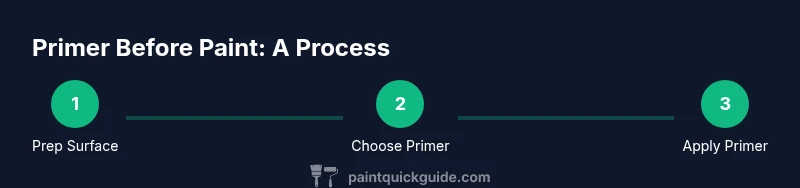
You can, but it's best to prime first on new drywall. Use a dedicated drywall primer (or a stain-blocking primer) before painting to seal the surface and ensure even color. If you opt for a paint-and-primer-in-one, choose a high-quality product and test a patch first to confirm coverage and adhesion.
Primer science and drywall preparation
New drywall has a porous surface and joint compounds that drink up moisture. A dedicated primer creates a uniform base, locks in dust, and prevents uneven color or blotching after painting. According to PaintQuickGuide, starting with a primer tailored for drywall helps all subsequent coats adhere better and reduces the risk of shiny spots or uneven sheen. The primer acts as a bridge between the porous gypsum, mud, and your topcoat, resulting in a more predictable finish and fewer touch-ups down the line.
What happens if you skip primer on new drywall?
Skipping primer on new drywall often leads to uneven absorption, causing patchy color and blotchy spots where the mud was applied. The surface may look lighter in some areas and dark in others, and you could require extra coats of paint to achieve uniform coverage. PaintQuickGuide analysis shows that primer helps even out absorption, especially on joints and taped seams, so the final color reads consistently across walls. Primer also improves stain resistance and makes cleaning easier in high-traffic spaces.
When to use Paint-and-Primer-In-One vs dedicated primer
Paint-and-primer-in-one formulas can work for small projects or areas with light traffic, but they tend to be less forgiving on new drywall with fresh joint compound. For best results on interior walls, start with a dedicated drywall primer (latex or shellac-based) and finish with a quality topcoat. If you’re still undecided, test both options on a small patch to compare coverage, feel, and drying behavior. PaintQuickGuide recommends preferring dedicated primers for new drywall to ensure uniform adhesion and color richness over time.
Surface prep before priming
Preparation is more important than you might think. Remove dust from sanding, wipe down surfaces with a damp cloth, and repair any visible nicks or shallow gouges with a compatible joint compound. Allow repairs to dry fully, then lightly sand to break any gloss so the primer can grip. Use a tack cloth to remove the last bit of dust. A clean, slightly abraded surface helps primer wetting and adhesion and reduces the risk of peeling later.
Choosing the right primer for drywall
Choose a drywall-specific primer: latex-based primers provide good sealing and easy clean-up, while shellac-based primers excel at stain blocking and moisture resistance. For new drywall, a PVA-based primer is common for interior walls, and shellac primers are ideal when sealing new joint compound or water stains. If you're painting a high-humidity area, a moisture-resistant primer may be worth considering. The key is to select a product labeled for drywall and interior use and to follow label directions for thinning and drying times.
Applying primer: tools and technique
Pour primer into a tray and load a roller with a 3/8-inch nap for walls or a brush for edges. Work in smooth, overlapping passes, maintaining a damp edge to avoid lap marks. Start at the top and work downward to catch drips. Avoid overworking the primer once it starts to wet; stop when the coat appears even and the surface has a uniform sheen. If you see bright spots (new mud patches or repairs), apply a light second coat after the first dries.
Drying times and environmental considerations
Primer drying times vary with product, temperature, and humidity. Follow the product label for touch-dry guidance and recoat windows. Maintain adequate ventilation and avoid painting in extreme conditions, which can cause trapping odors or incomplete curing. Even if the room feels dry, a patchy primer can occur if humidity is high or the walls are too cold.
Painting after priming: topcoat choices
Once the primer is fully dry, choose a matching interior wall paint—latex is common for homes and is easy to clean. If color uniformity is critical, consider using a solid-color topcoat with good coverage rather than a low-opacity option. For a smooth, professional look, apply thin, even coats and allow full curing between coats. Resist the urge to rush; a proper drying interval ensures fewer touch-ups later.
Common mistakes and how to avoid them
Mistakes include not priming at all, using the wrong primer for drywall, or skipping surface prep. Another pitfall is applying heavy coats, which traps solvents and causes uneven finishes. Always test a small area before full-scale application, vent adequately, and follow product directions on drying times and recoat intervals. Invest in quality brushes, rollers, and compatible primers to avoid streaks and peel.
DIY cost and time implications
Priming and painting new drywall is a time investment, but it pays off in a durable, uniform finish. If you’re DIYing, plan for surface prep, primer application, and at least one topcoat. Costs vary with product quality and room size, but choosing a reputable primer and paint combination can minimize rework and save time in the long run. Remember to account for drying time between coats when scheduling.
Maintenance and upkeep after a new drywall finish
A properly primed and painted surface is easier to clean, but use non-abrasive cleaners on walls to protect the finish. If you notice blotching after cleaning or minor scuffs, a light touch-up coat may be enough without repainting the whole wall. Reserve some extra paint for future touch-ups and store it in a cool, dry place to maintain color consistency over time.
Real-world painter insights from PaintQuickGuide
Seasoned painters emphasize prepping between coats, using the right primer for drywall, and testing products in a small, inconspicuous area before committing to a full wall. According to PaintQuickGuide, finishing with a quality topcoat and allowing full cure time yields the most durable, even results. Practical tips from pros include labeling tester patches for color comparison and avoiding hot sun on freshly applied primer.
Quick-reference prep checklist for new drywall priming
- Gather essential primers, paints, rollers, and brushes
- Clean and repair the drywall surface
- Choose latex or shellac primer designed for drywall
- Apply a light, even coat and allow to dry per label
- Inspect coverage and touch up as needed
- Finish with your chosen topcoat and cure properly
Tools & Materials
- Dust mask or respirator(Protect from drywall dust and primer fumes)
- Drop cloths(Protect floors and furniture)
- Sanding block with 120-150 grit(Smooth joints and remove gloss on mudded areas)
- Tack cloth(Wipe away fine dust before priming)
- Paint tray and roller (3/8" nap)(For even primer application on walls)
- Angled brush for edges/corners(Useful for tight spots and trim lines)
- Drywall primer (latex or shellac-based)(Primer designed for drywall and interior use)
- Interior latex paint(Topcoat after priming)
- Painter’s tape(Mask off trim and fixtures to protect surfaces)
- Ladder or step stool(Safe height for ceiling edges)
Steps
Estimated time: 3-6 hours
- 1
Prepare the workspace
Clear the room and lay down drop cloths. Remove obstacles and tape off adjacent surfaces. Lightly wipe down walls to remove surface dust so primer adheres evenly.
Tip: Set up good lighting and ventilation to spot any coverage issues early. - 2
Inspect and repair the drywall
Check for gouges or gaps in the joints and mud. Sand gently to feather edges, then wipe away dust with a tack cloth.
Tip: Use a light touch to avoid sanding through the paper surface. - 3
Choose the right primer
Select a drywall primer appropriate for interior use (latex or shellac-based). Consider a stain-blocking option if there are potential moisture or residue concerns.
Tip: Read the label to confirm it’s suitable for new drywall and mud. - 4
Stir and prepare the primer
Stir the primer thoroughly and pour into a tray. If thinning is required per the label, do it as directed.
Tip: Avoid over-thinning; it can reduce adhesion. - 5
Apply the primer evenly
Roll in overlapping passes, with a cut-in brush for edges. Maintain a damp edge to prevent lap marks and ensure full coverage of taped areas.
Tip: Work from top to bottom to catch drips early. - 6
Let primer dry and evaluate
Allow the primer to dry per the product label to a firm, not tacky, surface. Check for even coloration and fill any missed spots with a light second coat.
Tip: If blotches remain, apply a second thin coat rather than a heavy single coat. - 7
Apply the topcoat
Once the primer is fully dry, apply the chosen interior latex paint in thin, even coats. Allow adequate drying time between coats per label.
Tip: Avoid applying coats in high heat or direct sun to prevent cracking.
Your Questions Answered
Do I need to prime new drywall before painting?
Yes. Priming creates a uniform base, seals dust and mud, and improves color uniformity. It helps topcoats adhere evenly and reduces the chance of blotching on fresh joints.
Yes, primer is essential on new drywall to ensure even color and lasting adhesion.
Can I use paint-and-primer-in-one on new drywall?
You can use it for small patches, but dedicated primer generally delivers more predictable results on new drywall. For best coverage, prime first, then paint.
Paint-and-primer-in-one is convenient but not always the best choice for new drywall.
What type of primer should I use for drywall?
Latex drywall primers are common and easy to work with; shellac-based primers offer strong stain blocking and sealing for mud patches. Pick a product labeled for drywall and interior use.
Use a drywall-specific primer, typically latex or shellac-based, depending on your needs.
How long should primer dry before painting?
Follow the product label for drying time. In general, wait until the primer is fully dry to touch before applying the topcoat to avoid trapping moisture.
Let the primer dry completely according to the label before painting.
Should I prime taped joints and mudded areas separately?
Prime the entire surface for uniform absorption; this prevents color discrepancies between patched areas and the rest of the wall.
Yes—prime the whole surface so everything looks even after painting.
Watch Video
Quick Summary
- Prime new drywall before topcoat to ensure adhesion.
- Choose a drywall primer (latex or shellac) rather than relying solely on paint-and-primer-in-one.
- Test a patch before committing to full coverage to avoid surprises.
- Follow product labels for drying and recoat times to achieve a uniform finish.