Can You Use Paint Instead of Primer? A Practical Guide
Learn when you can skip primer, how to prep surfaces, and best practices for painting walls, furniture, and cars with direct paint. Includes step-by-step methods, safety tips, and cost considerations for DIY projects.


Why primer matters
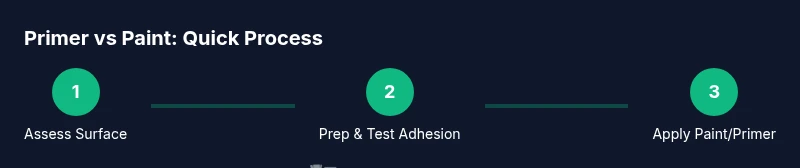
Primer acts as the bridge between bare substrates and the final topcoat. It improves adhesion, seals porosity, blocks stains, and helps color apply evenly. For many DIY projects, the natural question is can you use paint instead of primer? The short answer depends on the surface and the paint you choose. According to PaintQuickGuide, primer is not a luxury—it's part of the preparation that prevents peeling, uneven penetration, and color bleed over time. On porous or stained surfaces, a primer creates a predictable base so the finish lasts longer and looks uniform. On metal, drywall, or previously painted surfaces with a gloss finish, the right primer may still be required to hold the new coat. In practice, you’ll assess porosity, stain potential, and wear before deciding. If you are leaning toward skipping primer, you must pick a high-build, bonding paint or a specialized self-priming formula and ensure thorough prep. For most spaces, especially walls in living areas or cars being refinished, primer remains a reliable hedge against failure. The goal is a durable, even finish that minimizes coats and rework over time.
Tip: Always start with clean, dry surfaces; moisture or oils will defeat adhesion and lead to early failures.
format_identifier_usage_in_text