How to Deal with Paint Smell in House
Learn practical, safe steps to reduce paint odors in your home with ventilation, containment, and odor-absorbing strategies. DIY tips and safety notes for homeowners, DIYers, and auto hobbyists.


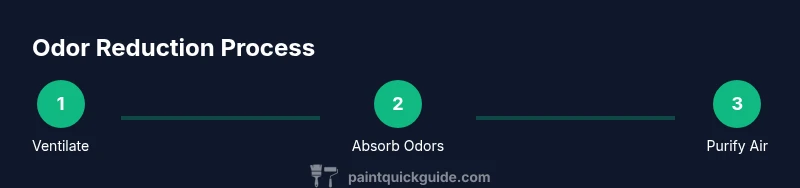
Goal: Learn how to deal with paint smell in house by ventilating, isolating the odor source, and using absorbers. Start with cross-ventilation: open windows, set up box fans to pull fresh air in and push stale air out for 15–30 minutes. Then place baking soda or activated charcoal in rooms, run an air purifier, and avoid sealing spaces until odors diminish.
Understanding Paint Odor: Where It Comes From
Paint odor is caused by volatile organic compounds (VOCs) that off-gas from paints, primers, and solvents. The intensity depends on the paint type (oil-based vs water-based), the amount used, room size, temperature, and ventilation. Even low-VOC formulas can produce noticeable odors, especially in smaller, poorly ventilated spaces. If you’re researching how to deal with paint smell in house, you’ll want a plan that balances fresh air intake, containment, and odor absorbers. In practical terms, the plan starts with immediate ventilation and ends with a sustainable, room-by-room approach.
For homeowners, DIY enthusiasts, and auto refinishing hobbyists, understanding sources helps you tailor your approach and reduce exposure. According to PaintQuickGuide, effective odor control begins with a strategy that combines fresh air exchange with targeted absorption and surface cleaning. The PaintQuickGuide team found that a well-ventilated space, paired with simple absorbers like baking soda or activated charcoal, can significantly reduce perceived odor within minutes to hours. As odors fade, you’ll regain comfort and confidence to finish projects without lingering smells in living areas. This section sets the stage for practical steps you can implement right away, regardless of project scale.
Quick-start Ventilation Strategy
Ventilation is the first line of defense against paint odors. The goal is to exchange indoor air with outdoor air quickly and steadily. Begin by opening exterior windows on opposite sides of the room to promote cross-ventilation. Place a box fan in a window facing outward to push stale air outside, and another fan at the opposite end pulling fresh air in. If you have multiple rooms, create a staged airflow strategy: start with the most odor-prone spaces and move outward. Keep this setup running for 15–30 minutes initially, then re-evaluate the odor intensity. After the initial burst, continue intermittent airing for several hours or until the room feels breathable. Avoid relying on the HVAC system to cycle air aggressively, as it can recirculate fumes rather than venting them. The aim is to dilute the fumes to a comfortable level while you address other odor-control steps. Pro tip: wear a mask when handling solvents, and ensure pets and children stay away from the work zone during peak off-gassing.
Containment and Space Preparation
Containment minimizes the spread of paint odors to other areas of the home. Close doors to the painting area and turn off the central HVAC system to prevent fumes from drawing through ductwork. Use plastic sheeting or drop cloths to seal door gaps and vent openings. If possible, install temporary door sweeps to reduce air leakage. Create a dedicated staging zone for odor absorbers and supplies near the door but away from living spaces. Keep windows slightly ajar if safe, and never cover a living space completely with plastic without active ventilation. This approach reduces the number of places odors can travel and makes subsequent steps more effective. PaintQuickGuide recommends documenting a simple “odor-control checklist” so you don’t miss a critical containment step.
Odor Absorbers and Cleaning Methods
Absorbing odors directly in the room accelerates comfort. Place baking soda or activated charcoal in shallow bowls around the space, especially near the area where you applied paint. These absorbers work best when left in place for several hours and refreshed as needed. If mild odors linger, consider a light spray of a mild, vinegar-free cleaner on non-painted surfaces, followed by thorough drying. An air purifier with a HEPA filter helps remove particles and some VOCs, especially in smaller rooms. Keep the purifier running during and after the painting project to improve air quality. Do not rely solely on odor absorbers; they complement ventilation rather than replacing it. For larger projects, using both absorbers and purifiers concurrently yields the best results.
Surface Cleaning and Decontamination
Paint residues on walls, baseboards, and ceilings can off-gas during the curing process. Use a mild detergent mixed with water to wipe painted surfaces, working from top to bottom to avoid streaks. Rinse with clean water and dry promptly with a microfiber cloth to prevent dampness that could worsen odors. If you notice lingering stickiness or film, repeat the cleaning pass with a slightly stronger solution and a soft sponge. Avoid harsh solvents that could intensify odors or damage the finish. Regular cleaning reduces surface-bound VOCs and helps your home feel cleaner sooner. Pro tip: always test any cleaner on an inconspicuous patch first to avoid discoloration.
Dehumidification, Heating, and Air Circulation
Humidity and stagnant air can prolong odor off-gassing. Use a dehumidifier to maintain humidity in the 30–50% range, which helps VOCs dissipate more quickly and reduces musty smells. If you live in a dry climate, a light air movement from fans or ceiling fans can improve air mixing without creating cold drafts. During the drying phase, keep room temperatures comfortable (not hot) to support faster evaporation of solvents. If you’re using heat to dry surfaces, avoid overheating which can worsen odors by accelerating vapor release. Continue the cross-ventilation routine after cleaning until the air feels noticeably fresher.
When Odor Persists: Next Steps
If the odor persists after several days, reassess your ventilation setup and check for hidden sources like primer cans, brushes, or paint residue in adjacent spaces. Revisit containment and ensure no gaps are leaking fumes into living areas. Consider testing with a simple VOC meter or seeking advice from a professional for stubborn odors or potential solvent-based paints in older homes. In most cases, persistent odors indicate a source that needs to be addressed directly or a need for longer airing times. The key is to stay patient and methodical, repeating the cycle of ventilation, absorption, and cleaning until the space feels comfortable again. For future projects, adopt low-VOC or zero-VOC paints to minimize this issue.
Preventing Future Odor Issues: Practical Tips
Prevention is easier than remediation. When planning future painting, choose low-VOC or zero-VOC paints and consider using water-based formulas for interior spaces. Prepare the area with effective containment and maintain good ventilation throughout the project and curing period. Store paints and solvents in a well-ventilated area away from living spaces, with lids sealed tight to prevent off-gassing. Use odor-absorbing materials (baking soda, activated charcoal) in future rooms before painting to create an odor-absorbent baseline. Finally, monitor humidity and temperature during and after painting to ensure optimal drying and off-gassing conditions. Following these practices reduces the likelihood of strong odors returning and helps you keep your home comfortable after projects.
Tools & Materials
- Box fan (large)(For cross-ventilation; place to pull fresh air in and push stale air out)
- N95 respirator mask(Protects against inhaling fumes during handling of solvents)
- Plastic sheeting or drop cloths(To isolate the painting area and block leaks)
- Air purifier with HEPA filter(Helps remove fine particles and some VOCs; run during and after cleanup)
- Baking soda(Place in bowls around the room to absorb odors)
- Activated charcoal / odor absorbers(Use in rooms to adsorb odors; replace as needed)
- Mild detergent (dish soap) and water(For cleaning painted surfaces as needed)
- Microfiber cloths(For cleaning and drying surfaces without adding fibers)
Steps
Estimated time: 1-2 hours for initial airing and setup; 24-72 hours total for odor to fade, depending on space and ventilation
- 1
Ventilate immediately
Open exterior windows on opposite sides and set up box fans to create a cross-breeze. Run fans for 15–30 minutes to kick off odor dilution, then re-evaluate. This step reduces initial fume concentration and makes subsequent actions more effective.
Tip: Position one fan to pull air in and another to push air out for optimal exchange. - 2
Contain the painting area
Close doors to the room and seal gaps with plastic sheeting. Turn off central HVAC to prevent circulation of fumes through ducts. Create a dedicated staging zone for supplies near the door but away from living spaces.
Tip: Install door sweeps to minimize leakage and drag of odors into other rooms. - 3
Place absorbers around the room
Set bowls of baking soda and activated charcoal in strategic spots—corners, near the source, and away from children and pets. Leave absorbers in place for several hours and refresh as needed.
Tip: Replace absorbers every 24–48 hours until odors lighten. - 4
Clean exposed surfaces
Wipe walls, ceilings, and painted surfaces with a mild detergent solution. Rinse with clean water and dry thoroughly with microfiber cloths. Work from top to bottom to prevent re-soiling.
Tip: Test cleaners on a hidden patch first to avoid discoloration. - 5
Run the air purifier
Keep an air purifier active in the room with the strongest odor. Replace or clean filters according to the manufacturer’s guidance to maintain effectiveness.
Tip: For best results, use a purifier with activated carbon in addition to HEPA. - 6
Manage humidity and airflow
Use a dehumidifier to maintain 30–50% humidity and allow VOCs to dissipate more quickly. If you live in a dry climate, ensure some air movement to keep air fresh without creating cold drafts.
Tip: Avoid overheating the room, which can speed off-gassing but worsen odors. - 7
Assess odor progress and extend airing
Check odor intensity after the initial airing and cleaning. If still noticeable, repeat ventilation and absorbers for 24–72 hours. Maintain airflow and avoid reoccupying until the space feels breathable.
Tip: Keep windows or vents slightly open during higher-odor activities. - 8
Plan for future projects
Choose low-VOC or zero-VOC paints for interior work and ensure good ventilation from day one. Store paints in a well-ventilated area with lids tightly closed to prevent off-gassing.
Tip: Always test a small patch first and consider odor-neutral primers for sensitive spaces.
Your Questions Answered
How long does paint smell last in a typical room?
Odor duration varies with paint type, ventilation, and room size. With good ventilation, odors often diminish within hours to a day, but solvent-heavy finishes may take longer. Always monitor room air and adjust ventilation accordingly.
Odors can fade within hours to a day with good ventilation, but it depends on the paint and space. Keep monitoring and ventilating as needed.
Can I sleep in a room while paint smell is strong?
It's best to avoid sleeping in a room with strong paint odors. Keep doors open, use fans, and consider postponing overnight use until the air is breathable. Use a respirator if you must be in there for short periods.
Avoid sleeping in a room with strong odor. Ventilate first and come back later when air is clear.
Are VOC-free or low-VOC paints better for odor control?
Yes. Low-VOC or zero-VOC paints reduce ongoing odors and improve indoor air quality. When possible, choose water-based formulations for interior spaces.
Low-VOC paints are better for odor control and indoor air quality.
Is vinegar effective for neutralizing paint odors?
Vinegar can help absorb some odors temporarily but doesn’t remove the source. It’s best used in combination with ventilation and absorbers, not as a sole solution.
Vinegar can help a bit, but it’s not a cure; ventilate and use absorbers too.
Should I use air purifiers during odor cleanup?
Yes. An air purifier with HEPA and activated carbon helps remove particles and some VOCs. Run it continuously during cleanup for best results.
Air purifiers help a lot—keep them running while you clean and ventilate.
What if the smell persists after 72 hours?
If odors persist beyond a few days, recheck ventilation and verify there are no hidden odor sources. Consider professional assessment if the odor remains strong or unusual.
If it sticks around after days, check ventilation again and consider expert help.
Watch Video
Quick Summary
- Ventilate early and maintain airflow throughout the process.
- Use odor absorbers in combination with proper cleaning.
- Prefer low-VOC paints for interior projects to reduce future odors.
- Monitor humidity; higher humidity slows off-gassing, while dehumidification speeds it up.
- Don’t reopen sealed spaces too soon; ensure air feels breathable before reoccupying