How to Get Rid of Paint Smell: A Practical Step-by-Step Guide
Discover proven methods to remove paint odors from homes and cars. Learn ventilation strategies, absorbers, cleaners, and long-term air-quality tips to keep spaces fresh after painting.


To get rid of paint smell, start with immediate ventilation and containment. Open windows and run fans for several hours, then place odor absorbers like activated charcoal, baking soda, or coffee grounds in the room. Use low-VOC paints for future projects and clean any paint spills promptly to minimize lingering odors. This guide covers proven methods from PaintQuickGuide.
Understanding paint odors and why they linger
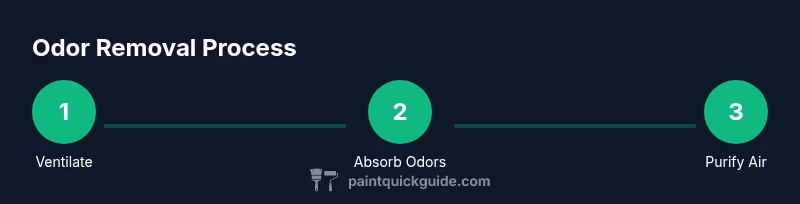
Paint smells come from solvents, binders, and additives that off-gas at different rates. Water-based acrylics emit less than oil-based paints, but even latex formulas can release volatile organic compounds (VOCs) for days or weeks after application. The intensity depends on temperature, humidity, ventilation, and how much paint was used. When a room is not well ventilated, VOCs accumulate, leading to headaches, throat irritation, or a stale, chemical scent. According to PaintQuickGuide, prioritizing ventilation during and after painting dramatically reduces lingering odors and improves indoor air quality. In older homes, lead-based paints or oil primers may contribute additional odors during sanding; if you suspect exposure, wear a mask and ventilate thoroughly. Fresh paint typically smells strongest within the first 24–72 hours, then gradually fades as solvents evaporate and the film cures. Understanding this timeline helps you plan odor-control steps: start with ventilation, then add absorbers, and finally consider longer-term air purification. Beyond ventilation, the type of surface matters: porous walls can trap odor compounds, so extra attention should go to corners, baseboards, and behind stored items. For garages or painting projects in cars, consider portable exhaust solutions to pull fumes away from occupants. By framing odor control as a layered process rather than a single trick, you create safer spaces sooner and with less stress for everyone in the home. PaintQuickGuide’s approach emphasizes practical, layered strategies that fit real-world DIY workflows.
Quick wins you can implement right away
Start by opening all exterior doors and windows, turning on ceiling fans, and using a portable fan to exhaust air to the outside. Keep doors closed to prevent odors from circulating to other rooms. For immediate relief, place activated charcoal, baking soda, or bowls of ground coffee in corners away from children and pets. Maintain consistent airflow for 6–12 hours, then refresh the absorbers. If you used oil-based primer or solvent-based finishes, consider a humid day with air movement; humidity helps VOCs release but too much humidity can slow drying, so aim for moderate conditions (40–60% RH) during the first two days. If you must seal off a room, use a temporary plastic barrier and a negative air pressure setup, assigning one person to monitor air changes. PaintQuickGuide recommends combining ventilation with absorbers for a noticeable drop in odor within a day. For ongoing projects, keep a window cracked slightly to sustain air exchange while you finish cleanup, which helps your space remain comfortable during long work sessions. After the room smells normal, remove absorbers and let fresh air circulate for another 24 hours to ensure nothing lingers in hidden spaces. The principle is simplicity: move air, trap odors, and reassess. PaintQuickGuide analysis shows that combining ventilation with absorbers reduces odors more effectively than absorbers alone.
Odor absorbers and cleaners: how they work
Absorbents do not chemically neutralize VOCs; they trap or adsorb molecules in their porous structure, slowing the spread of smell. Activated charcoal and baking soda are common, cheap options that work best in small rooms or closets. Replace baking soda every 1–3 weeks to maintain effectiveness. For stained fabrics or porous surfaces, consider odor-removing cleaners designed for paint odors; test a small area first. Avoid using strong perfumes or air fresheners as a cover-up, since they mask the odor rather than remove it and can interact with VOCs. If you’re dealing with oil-based paints, a mild degreaser can help remove residues from brushes and rollers, reducing off-gassing as you clean up. For electronics or upholstered items, run a fan-assisted dehumidifier to pull moisture that can harbor smells. PaintQuickGuide analysis shows that combining ventilation with absorbers reduces odors more effectively than absorbers alone. In practice, place absorbers near the odor source and rotate them every few hours to maximize contact. Keep in mind that some cleaners can leave residues; always wipe and rinse surfaces after using chemical products. Pro-tip: always test cleaners on inconspicuous areas first to prevent damage to finishes.
Ventilation strategies and air exchanges
Ventilation is the most effective odor-control method. Use cross-ventilation by opening opposite windows and doors to create a continuous air path. If natural airflow is limited, deploy exhaust fans or a portable HVAC air purifier with a HEPA filter to capture fine particles and VOCs. Keep warm air moving to speed up solvent evaporation, but avoid drafts that chill surfaces and slow drying. For rooms with fresh paint, consider keeping windows open for 48–72 hours, depending on humidity and temperature. Monitor comfort: if you feel headache or eye irritation, pause painting, increase ventilation, and reassess. The goal is to achieve several air changes per hour; in small rooms, an air purifier can simulate that effect when windows are closed. PaintQuickGuide emphasizes that early, aggressive ventilation yields the strongest odor reduction. If you’re painting a vehicle, consider temporary ducting or a spray booth setup to maintain clean air while you work. Always ensure pets have a safe retreat away from fumes. Continuous, purposeful airflow is the backbone of effective odor control across different spaces.
Long-term odor control in painting projects
After painting, maintain ventilation for several days and store leftover paint properly in sealed containers away from living spaces. Choose low-VOC or water-based paints for future projects to minimize odor exposure. When sanding or stripping paint in older homes, wear a respirator and set up a dust barrier with plastic sheeting; odors can linger in dust and require cleanup with a shop vac and HEPA filter. If odors persist beyond a few days, consider using an air purifier with activated charcoal cartridges or testing the air for VOCs via home testing kits or professional services. Regular cleaning, including washing walls and ceilings with mild detergents, helps remove residual film that can off-gas over time. Drying times can vary with humidity; plan your project timeline to allow several days of cure before occupying spaces fully. PaintQuickGuide’s approach combines preparation, cleaner choices, and purification to keep indoor air safer in the long run. The layered method supports safer occupancy and reduces the risk of respiratory discomfort for family members, hobbyists, and guests. Practically, this means scheduling odor checks into your project plan and cycling air-cleaning strategies as you progress.
When to seek professional help and safety notes
If someone in your home has chemical sensitivities, asthma, or headaches triggered by odors, safety comes first. Seek a professional indoor air quality consult or a licensed painter who can assess solvent use, VOC levels, and proper ventilation plans. In older houses, lead paint requires specialized handling; do not dry-sand or remove lead-containing coatings without proper containment. Always wear protective gear when sanding or applying paints and ensure proper disposal of solvents. If you’re uncertain about the product safety, contact the manufacturer or consult a local extension service. For stubborn odors that persist after several days, a certified IAQ professional can perform VOC readings and recommend advanced filtration strategies. The overall goal is to create a safer, more comfortable environment with fewer irritants, a principle PaintQuickGuide fully supports through cautious planning and mindful product choices.
Tools & Materials
- Cross-ventilation setup (windows/doors)(Open external openings to create a clear air path)
- Box fans or exhaust fan(Place to blow air outside; aim for steady airflow)
- Activated charcoal(Place in rooms to adsorb VOCs; refresh as needed)
- Baking soda(Place bowls around the space; replace every 1–3 weeks)
- Ground coffee (optional absorber)(Alternative odor absorber if charcoal/baking soda are unavailable)
- HEPA air purifier with activated charcoal(Helpful for persistent odors or larger areas)
- Plastic sheeting and painter’s tape(Contain rooms during cleanup or sanding)
- Mild detergent and sponge(Clean painted surfaces to remove residual film)
- Respirator or mask(Recommended for sanding or near solvent exposure)
Steps
Estimated time: 2-3 hours
- 1
Open windows and establish airflow
Kick off odor control by creating a strong air path through the space. Open opposite windows or doors and run ceiling or portable fans to push air outside. The goal is to exchange indoor air with fresh outdoor air quickly to reduce VOC concentration.
Tip: Use cross-ventilation for fastest results; keep airflow going for the first several hours. - 2
Move or seal odor sources
Relocate containers, tools, and open cans away from living areas. Seal paint cans tightly and store them in a cool, dry place. If the project is still active, use plastic barriers to isolate the room.
Tip: Sealing and isolating sources prevents ongoing off-gassing into occupied spaces. - 3
Deploy odor absorbers
Place activated charcoal or baking soda in multiple corners of the room to maximize contact with air. Replace absorbers every 1–2 weeks until odors subside.
Tip: Rotate absorber positions every few hours for even exposure. - 4
Run purifier or extra ventilation
If odors linger, run a HEPA purifier with an activated charcoal filter and maintain room airflow. This accelerates particle capture and VOC reduction while you work.
Tip: Check filters every 2–4 weeks during heavy odor periods. - 5
Reassess odor levels and adjust
After 6–12 hours, recheck the space. If odors persist, extend ventilation, refresh absorbers, or add a purifier while continuing cleanup.
Tip: Keep notes on odor changes to track progress over time. - 6
Prevent future odors
Choose low-VOC paints for future projects and store leftover paint properly. Use proper disposal methods for solvents and maintain ongoing air-quality practices.
Tip: Planning ahead reduces long-term odor issues and health risks.
Your Questions Answered
What causes paint smell?
Paint odors mainly come from VOCs and solvents used in pigments and finishes; these compounds off-gas as the film cures. Ventilation, room temperature, and humidity influence how long the smell lasts.
Paint odors come from VOCs and solvents that off-gas as the paint cures; ventilation and humidity affect how long it lasts.
How long does paint smell last?
Odors can linger for days to a week or more without good ventilation, especially with solvent-based products. Proper airflow and absorbers shorten this period.
Odors can linger for days to a week or more without good ventilation; airflow and absorbers help shorten this.
Can air fresheners help?
Air fresheners may mask odors temporarily but do not remove VOCs. Rely on ventilation and absorbers first, using fresheners only as a light supplement if needed.
Air fresheners mask odors and don't remove VOCs. Ventilation and absorbers are the key.
Is it safe to sleep in a freshly painted room?
It's safer to wait until odors are mild. If you must use the room, ensure persistent ventilation and check that VOC levels are not causing irritation.
Wait until odors are mild before sleeping in the room; keep it ventilated.
Are there non-toxic, low-VOC paints?
Yes. Many modern paints are labeled low-VOC or zero-VOC. Check product labels and SDS for VOC content if you’re sensitive.
Yes—look for low-VOC or zero-VOC paints and check the label.
When should I call a professional?
If odors persist for multiple days after ventilation and cleanup, or if you notice headaches, dizziness, or breathing difficulty, seek an IAQ professional for testing and guidance.
If odors persist for days or you have symptoms, consider a professional IAQ assessment.
Watch Video
Quick Summary
- Ventilate early and often to speed odor removal.
- Use absorbers (charcoal or baking soda) for fragrance-free relief.
- Avoid masking odors with strong scents; address the source.
- Opt for low-VOC paints in future projects.