Paint Bathroom Tile: A Practical Guide for Homeowners
Learn how to paint bathroom tile with durable primers, tile-rated paints, and proper sealing. This step-by-step guide covers prep, materials, technique, and care for a lasting bathroom tile makeover.


Yes. To successfully paint bathroom tile, choose a bonding primer and epoxy or tile-rated paint, scuff glossy surfaces, apply multiple thin coats, and finish with a tile-safe sealer. Prepare the area, ventilate, and allow full cure between coats. This approach creates a durable, water-resistant finish that can last several years with proper maintenance.
Why paint bathroom tile
According to PaintQuickGuide, painting bathroom tile is a practical, budget-friendly upgrade that can dramatically refresh a dated space without the cost or disruption of removing tile. The goal is a durable, water-resistant finish that withstands humidity, routine cleaning, and everyday use. A properly executed tile repaint can transform walls and shower surrounds, making the entire bathroom feel brighter and newer. When deciding whether to paint or replace, homeowners should weigh tile condition, grout integrity, and long-term goals. If grout is crumbling or tiles are severely cracked, painting may not be the best long-term solution, but for many tiles with good structural soundness, painting is a cost-effective option that yields impressive results.
Preparation matters for lasting results
The prep stage is where most DIY tile paint projects succeed or fail. Clean surfaces thoroughly to remove soap scum, oils, and mineral deposits; this creates a surface that paint can bond to. Lightly scuff glossy tiles with 120-220 grit sandpaper or a scouring pad to break the glaze’s slick surface. Wipe away dust and residue before priming. Skipping or rushing prep leads to peeling, chipping, or an uneven finish. For bathrooms with high humidity, consider improving ventilation during the project to control fumes and speed up drying.
When to paint vs. replace tile
Paint is a great option for tiles that are structurally sound but visually dated or stained. If tiles are cracked, grout is friable, or tiles show extensive mold, tile painting may not fix underlying issues. Replacement is preferable for long-term durability in high-moisture zones like showers. In other areas, such as backsplashes or tub surrounds, painting can deliver a refreshed look with careful material choice and proper sealing.
Primer and paint selection for tile surfaces
Choose a bonding primer designed for glossy or nonporous surfaces as the first coat to improve adhesion. For the actual color, use a tile-rated enamel or epoxy paint that remains flexible and water-resistant after curing. Avoid regular wall paints in shower areas, as they lack the hardness and moisture resistance needed for tile. If coverage is thin, apply a second coat following the manufacturer’s recoat window. Remember that lighter colors may require more coats to achieve an even finish.
Sealing and topcoats for durability
A clear, water-resistant topcoat is essential for bathrooms. Select a sealer compatible with the paint system you chose—water-based polyurethane or epoxy sealers work well with tile paints. Sealing protects against humidity, cleaners, and soap residues, extending the finish’s life. Follow the manufacturer’s cure times exactly; premature exposure to moisture can compromise adhesion and gloss. For grout lines, consider sealing only the tiles first, then readdress grout if needed.
Step-by-step overview (for quick context)
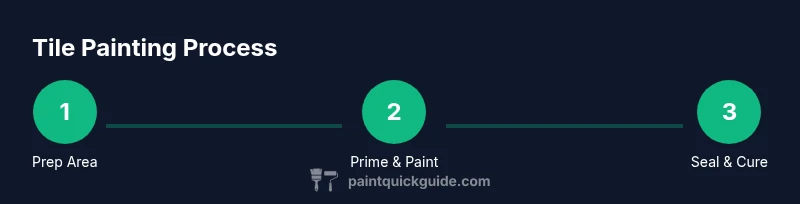
This overview maps to the detailed steps below: (1) Protect the area and remove decorative items, (2) Clean and degrease tile thoroughly, (3) Scuff surfaces to promote adhesion, (4) Apply bonding primer, (5) Apply first coat of tile paint, (6) Apply second coat, (7) Seal the surface, (8) Cure fully before use. Each step is critical for a durable finish that lasts in a humid environment.
Color ideas and finishing touches for bathrooms
Light neutral tones keep bathrooms feeling airy, while soft blues and greens can evoke spa-like calm. For small bathrooms, lighter shades reflect more light and can visually enlarge the space. If you want texture without losing cleanliness, consider a satin or eggshell finish that’s easier to wipe. Be mindful of lighting; color accuracy can shift under bathroom lighting, so test a small area before committing to the whole project.
Maintenance, cleaning, and long-term care
After curing, maintain the new tile finish with non-abrasive cleaners and a microfiber cloth. Avoid harsh solvents that can degrade the coating. Regularly inspect grout lines; if you notice peeling near grout, you may need to touch up or reseal. A properly maintained painted tile surface can stay vibrant for several years with routine care and gentle cleaning. Protect high-wear areas with mats or splash guards to reduce moisture exposure.
Tools & Materials
- Masking tape and painter’s tape (1–2 in wide)(For clean edges around tiles and trim)
- Drop cloths or tarps(Protect floor and vanity surfaces)
- Degreasing cleaner (or mild TSP substitute)(Remove oils and soap scum)
- Stiff-bristled scrub brush(Scrub grout lines and tile faces)
- Fine-grit sandpaper or sanding pad (220-grit)(Create adhesion by scuffing glaze)
- Lint-free rags or microfiber towels(Wipe residue and dry surfaces)
- Bonding primer for tile or glossy surfaces(Promotes durable adhesion)
- Tile-rated enamel or epoxy paint (2-part epoxy or acrylic tile paint)(Choose water- and humidity-resistant option)
- Paint trays and rollers (short nap)(For even coats on tile faces)
- Small foam brushes (for edges and corners)(Detail work near corners and grout lines)
- Clear tile-safe topcoat/sealant (water-based polyurethane or epoxy)(Seal and protect the finish)
- Respirator mask or adequate ventilation(Protect from fumes)
- Plastic sheeting or drop cloth for splash zones(Optional extra protection)
Steps
Estimated time: Total time: 4-8 hours of active work plus 24-72 hours cure time
- 1
Protect and prep the area
Clear the bathroom of items that could be damaged. Use masking tape to seal off edges and baseboards, and lay drop cloths to protect floors. The goal is to create a clean, contained workspace so dust and moisture don’t compromise nearby surfaces.
Tip: Double-check that exhaust fans or windows are vented to outside to reduce fumes. - 2
Clean and degrease tile thoroughly
Scrub tile and grout with a degreasing cleaner to remove soap residue and oils. Rinse with clean water and dry completely before moving on. Any remaining residue can prevent primer adhesion.
Tip: Use a toothbrush or grout brush for stubborn grout lines. - 3
Scuff glossy surfaces to create adhesion
Lightly sand glossy tile glaze with 220-grit sandpaper to remove slick surfaces. Wipe away dust with a damp cloth, then dry. Scuffing improves bonding for primer and paint.
Tip: Avoid heavy sanding that could gouge tiles. - 4
Apply bonding primer to tile
Apply a thin, even coat of bonding primer designed for tile. Allow to dry per manufacturer’s guidance before painting. Priming creates a stable base for the paint.
Tip: Do not skip the primer on glossy or nonporous tiles. - 5
Apply first coat of tile paint
Stir paint well and use a short-nap roller for even coverage. Work in small sections to minimize lap marks. Apply a light coat to prevent runs.
Tip: Keep a constant, light pressure to avoid pooling. - 6
Apply second coat and inspect
Once the first coat is dry, apply a second coat for uniform color and finish. Inspect for thin spots and touch up as needed. Allow full cure between coats per product guidance.
Tip: If color appears uneven, apply a third light coat instead of a thick one. - 7
Seal and protect the finish
After the paint cures, apply a tile-safe sealer to the tiled surface. Choose a sealer compatible with your paint type for durable water resistance. Let cure fully before exposing to moisture.
Tip: Seal only after the paint has reached its recommended cure time. - 8
Reinstall fixtures and finish up
Replace any hardware and fixtures once the surface is fully cured. Clean up tools and dispose of waste according to local guidelines. Monitor for any peeling in the first weeks and address promptly.
Tip: Avoid heavy cleaning for at least the first week after sealing.
Your Questions Answered
Will painted bathroom tile last as long as real tile?
Painted tile can last several years if properly prepped, primed, sealed, and maintained. Durability depends on humidity, cleaning methods, and foot traffic. Repainting or resealing may extend life when needed.
Painted tile can last for several years with proper prep, priming, sealing, and maintenance. Its longevity depends on humidity and use; you may need to refresh or reseal over time.
Can I paint over ceramic tile without removing it?
Yes, with proper surface prep and a bonding primer. Glossy surfaces must be scuffed to create adhesion, and you should use a tile-rated paint and sealer designed for bathrooms.
Yes, you can paint over ceramic tile if you scuff the surface, use primer, and apply a tile-rated paint with a sealing topcoat.
What primer should I use on glossy tile?
Choose a bonding primer formulated for nonporous or glossy surfaces. Follow the product directions for dry times and recoat windows, then proceed with tile paint.
Use a bonding primer designed for glossy tile, then follow the product’s drying and recoating guidelines before painting.
How long does it take to dry between coats?
Dry times depend on product and humidity. Plan for several hours between coats and longer curing times after final coat before use.
Dry times vary, but expect several hours between coats and longer curing after the final coat before moisture exposure.
Is it safe to paint grout?
Grout is porous and difficult to seal well with paint alone. It’s generally better to paint the tile surfaces and leave grout as-is unless you plan to grout refresh.
Painting grout is tricky; it’s usually better to focus on the tile surfaces and regrout later if needed.
Can painted tile be used in a shower?
Painting tile inside a shower is possible but requires a water-resistant primer and a durable, bathroom-rated paint with a proper sealer. Regular exposure to water demands careful maintenance.
You can paint shower tiles if you use a waterproof primer and a tough, bathroom-rated paint with good sealing, and you maintain it well.
Watch Video
Quick Summary
- Prepare thoroughly before painting.
- Choose a bonding primer and tile-rated paint.
- Scuff, prime, and apply thin coats for best adhesion.
- Seal after curing to protect the finish.
- The PaintQuickGuide approach emphasizes ventilation and safety.