Floor and Tile Paint: A Complete DIY Guide for Durable Finishes
Learn how to prep, prime, and paint floors and tiles for a durable, professional-looking finish. This step-by-step guide covers surface prep, product choices, application, curing, maintenance, and safety for DIY homeowners and enthusiasts.


Learn how to refresh floor and tile surfaces with durable, visually appealing paint. This guide covers surface prep, primers, paint types, application steps, drying times, and maintenance. It’s designed for homeowners and DIY enthusiasts who want professional-looking results without hiring a pro. You’ll get step-by-step directions, practical product tips, and budgeting guidance to tackle kitchens, bathrooms, basements, or entryways.
What floor and tile paint is and why it matters
According to PaintQuickGuide, floor and tile paint is a specialized coating designed to adhere to substrates like concrete, wood, epoxy, and ceramic tile while resisting foot traffic and moisture. The right product creates a durable, easy-to-clean surface that stands up to spills, stains, and cleaning solvents. While many people assume all paints are the same, floor and tile paints are formulated with tougher binders and often include anti-slip or scuff-resistant additives. When applied correctly, these coatings can dramatically extend the life of a high-traffic area and transform dated spaces such as entryways, kitchens, and bathrooms without a full renovation.
Types of floor and tile paints and where they shine
Floor paints come in several families: epoxy, acrylic, latex, and oil-based enamels. Epoxy paints are highly durable and ideal for garages or basements but require careful mixing and ventilation. Acrylic and latex floor paints are easier to apply and clean up, suitable for living areas and light-commercial spaces. Tile paints are specifically formulated to bond to ceramic or porcelain and can refresh a dull tile look without removing existing grout in some cases. Choosing the right type depends on substrate, traffic, moisture exposure, and whether you plan to seal over the paint later for extra protection. For heavily trafficked kitchens and entryways, consider a two-part epoxy or a high-solid acrylic with a polyurethane topcoat for additional abrasion resistance.
Benefits and limitations of painting floors and tiles
Painting floors and tiles can be a cost-effective alternative to replacement, with the biggest benefit being the dramatic transformation in a weekend. Paint can offer color, pattern, and protection in a single coat system when paired with proper prep and high-quality materials. Limitations include potential wear in extreme traffic zones, the need for meticulous surface prep, and occasional touch-ups in grout lines. In some cases, tiles with a glossy glaze or non-porous surface may require special etching or primer to achieve reliable adhesion. PaintQuickGuide emphasizes testing adhesion on a small area before committing to a full project.
Surface preparation basics you must master
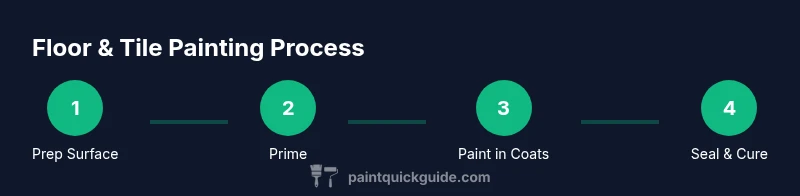
Preparation is the single most important factor in a lasting finish. Start by removing debris and cleaning the surface with a degreaser for kitchens or bathrooms. If the surface is glossy or sealed, scuff-sand or laser-abrasion to remove the top layer so the primer can grab. For tile, consider etching or using a specialized ceramic tile prep product to improve adhesion. Repair any cracks or chips to create a uniform base. Finally, vacuum and wipe with a damp cloth to remove dust before priming.
Primers and coatings: how to choose and when to use them
Primers are essential for adhesion and stain blocking. For concrete, an epoxy primer or concrete sealer base helps prevent moisture issues. For tiles, a bonding primer designed for slick surfaces improves grip where the glaze resists paint. If moisture is a concern (bathrooms or basements), pair your primer with a topcoat designed for high humidity. Always follow manufacturer guidelines for pot life, recoat windows, and compatibility between primer and topcoat.
Application techniques: getting smooth, durable results
Apply thin, even coats, using a roller for large, flat areas and a brush for edges and grout lines. Work in small sections to maintain a wet edge and minimize lap marks. If spraying, use a low-pressure setting and keep coats very light to avoid runs. For each coat, maintain a consistent distance from the surface and avoid overloading the tool. Allow proper drying time between coats and in a well-ventilated area to prevent fumes from accumulating.
Drying and curing: what to expect and how to optimize
Drying times depend on product, temperature, and humidity. Always aim for a minimum 24 hours between coats in moderate climates and longer in cooler environments. After final coat, allow full curing time before heavy use. A heat source or dehumidifier can speed up curing, but never apply heat directly to paint. Follow topcoat recommendations if a sealer is advised; a polyurethane or acrylic topcoat can offer additional resistance to wear and moisture.
Maintenance and cleaning after painting
To keep painted floors and tiles looking new, use non-abrasive cleaners and avoid highly acidic or solvent-heavy products that can break down the coating. Place mats and felt pads under furniture to reduce abrasion. Clean up spills promptly and address any scuff marks with a light touch-up coat if needed. Periodically reseal or refresh high-traffic areas as recommended by the manufacturer.
Safety first: ventilation, PPE, and storage tips
Paints, primers, and sealers often contain solvents or pigments that emit fumes. Ensure good ventilation by opening windows, using fans, and wearing a respirator if required by the product label. Wear eye protection, gloves, and long sleeves, especially when sanding or priming. Store materials upright in a cool, dry place away from heat sources and children.
Budgeting and product selection without overpaying
Costs vary by product type, coverage, and the area to be painted. Plan for primers, multiple coats, finishing sealers, and tools. Buy quality brushes, rollers, and a compatible topcoat if recommended by the product line. Consider a small sample kit to test color and adhesion on a hidden area before committing to the entire space.
Common mistakes to avoid and how to fix them
Avoid skipping prep, over-thinning paint, or neglecting ventilation. If the surface failed adhesion, sand and re-prime before repainting. If you notice amine blush or tackiness, wipe with the right cleaner and recoat after proper drying. Failing to seal high-traffic areas can lead to faster wear and staining. Plan your steps and allow ample cure time to prevent issues.
Authority references and further reading
For safety and best practices, consult reliable sources such as OSHA and university extension programs. See these references for more details: https://www.osha.gov, https://www.cdc.gov/niosh, https://extension.illinois.edu
Tools & Materials
- Floor and tile paint (suitable for substrate)(Choose epoxy or high-solid acrylic for durability)
- Primer compatible with substrate(Bonding primer for slick tiles; concrete primer for floors)
- Degreaser or cleaner(For kitchens and bathrooms; ensures adhesion)
- Acid etch or tile prep product(Only if surface is very glossy or ceramic)
- Sandpaper or abrasive pad(Medium grit for scuffing glossy surfaces)
- Paint rollers (short nap for floors)(2-4 inch for edges; 9-inch for wide areas)
- Angled brush for edges and grout lines(2-3 inch brush)
- Paint tray and liners(For even coating and reuse)
- Protective gear (gloves, goggles, mask/respirator)(Follow product safety data)
- Painter’s tape and drop cloths(Protect adjacent surfaces and fixtures)
- Ventilation fans or open windows(Improve airflow and reduce fumes)
- Mineral spirits or appropriate solvent (for cleanup)(If using oil-based products)
- Bucket for mixing or thinning (as required)(Follow product guidelines)
- Floor protection (thick sheeting or cardboard)(Prevent damage to surroundings)
Steps
Estimated time: Total time: 6-10 hours
- 1
Inspect and plan the space
Survey the surface for cracks, moisture, and existing coatings. Decide if you need concrete, wood, or tile primers and determine if a topcoat sealer is required. Plan adequate ventilation and cover nearby surfaces and floors.
Tip: Create a small test patch to confirm adhesion before full-scale work. - 2
Clean and degrease the surface
Remove all dirt, oils, and residues. Use a degreaser on kitchen or bath floors and rinse thoroughly. Allow the surface to dry completely before proceeding.
Tip: Dampness will sabotage adhesion; use a heat gun or fan to speed drying if needed. - 3
Scuff and prep the surface
Lightly sand glossy finishes or tile glaze to create a dull surface. Wipe away dust with a tack cloth. For tile, consider etching if required by the prep product.
Tip: Never skip scuffing on slick, glazed tile surfaces. - 4
Prime the substrate
Apply a primer compatible with the substrate and paint type. Allow proper drying and check adhesion on a test area before continuing.
Tip: Choose a bonding primer for tile or a concrete primer for floors to maximize performance. - 5
Mix and thin the paint as required
Follow product guidelines for thinning and mixing. Use a disposable liner in the tray and avoid over thinning to prevent runs.
Tip: Stir, don’t shake, to avoid air bubbles that can show in the finish. - 6
Apply the first coat in thin, even layers
Use long, smooth strokes for edges and a roller for large areas. Maintain a wet edge to avoid lap marks. Do not flood the surface.
Tip: Work in small sections to maintain control and even coverage. - 7
Dry and inspect between coats
Let the coat dry per the product label. Inspect for imperfections; lightly sand any issues and wipe clean before applying the next coat.
Tip: SkippingDrying can trap moisture; ensure proper ventilation during this stage. - 8
Apply the final coat and optional sealant
Apply a final coat and, if recommended, seal with a compatible topcoat for extra wear resistance and moisture protection.
Tip: If using a sealant, ensure compatibility with the paint to avoid yellowing or adhesion loss.
Your Questions Answered
Can I paint over glossy ceramic tile without removing the glaze?
Yes, but prep is critical. Use an etching product or epoxy primer designed for slick surfaces, then apply a compatible topcoat. Test adhesion first.
You can, but prep is essential. Use etching or a bonding primer, then test adhesion before committing.
How long does floor and tile paint typically last in a kitchen or bathroom?
Durability depends on surface prep, product choice, and maintenance. In damp areas, a moisture-resistant primer and topcoat dramatically extend life with proper cleaning.
Durability depends on prep, product, and maintenance. Use moisture-resistant primers and topcoats in damp spaces.
Do I need a sealer over the paint?
Some products require a clear topcoat for wear resistance and moisture protection. Follow the manufacturer’s recommendations for best results.
A sealer isn’t always required, but check your product’s guidance for wear and moisture protection.
What surfaces can floor and tile paint cover?
Suitable substrates include concrete, wood, certain tiles, and previously painted surfaces. Always verify compatibility and perform a test patch.
Most concrete and wood surfaces work, as well as some tiles—test first.
Can I use regular wall paint on floors and tiles?
Wall paints are not designed for floor wear. Use products labeled for floors or tiles to ensure durability and abrasion resistance.
Wall paint isn’t meant for floor wear; choose a floor- or tile-rated product.
How should I clean painted floors without damaging the finish?
Use non-abrasive cleaners and avoid harsh solvents. Wipe spills promptly and avoid scrubbing with stiff brushes that can wear the topcoat.
Clean gently with mild cleaners and wipe spills quickly to protect the finish.
Watch Video
Quick Summary
- Prepare thoroughly for lasting adhesion.
- Choose primers matching substrate for durability.
- Apply multiple thin coats, not one thick coat.
- Ventilate during application and curing.
- Seal if recommended to extend life.