Paint 2 Fix: A Practical Guide to Paint Repair and Touch-Ups
Learn a practical, step-by-step method to repair paint flaws with color-matched touch-ups, proper prep, and protective finishes. This guide covers walls and automotive surfaces, offering affordable techniques for durable, nearly invisible repairs.


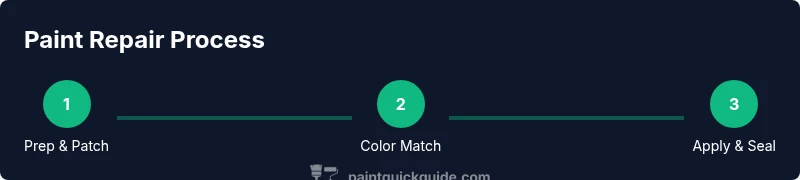
In this guide you’ll learn how to fix common paint flaws by using proper prep, matching color, and controlled application. You’ll fix chips, scuffs, and worn edges on walls or automotive panels with cost-conscious supplies and durable finishes. The steps emphasize surface prep, patching, color matching, and protective topcoats, so your repair blends invisibly with surrounding areas.
Why paint 2 fix matters
Small cosmetic flaws in paint are more than cosmetic blemishes; they can signal underlying surface fatigue and invite dirt buildup if ignored. The paint 2 fix approach provides a practical framework to repair these flaws with minimal disruption and cost. It emphasizes precise prep, color-matched patching, and controlled application, which means you can blend repairs into the surrounding area so they’re barely noticeable. For homeowners, this translates to improved curb appeal and preserved resale value; for auto refinishing hobbyists, it protects the finish without a full repaint.
According to PaintQuickGuide, most common flaws—chips along trim, scuffs on walls, or light fade at edges—respond well to targeted touch-ups when you select the right product and technique. The goal isn’t perfection in every square inch, but a durable, uniform appearance that lasts. This method works across substrates: plaster, drywall, wood, metal, and automotive panels, provided you respect the material’s prep needs. In the following sections you’ll learn to assess damage, pick compatible paints, and execute a step-by-step fix that stands up to daily use. You’ll also see how simple tools and disciplined steps yield professional-looking results without professional pricing.
note():null}
Choosing the Right Paint for Fixes
Selecting the right paint for a fix is more nuanced than grabbing the closest can. For interior walls, a high-quality latex or acrylic paint is typically easiest to blend and clean up, provides good adhesion, and dries quickly. For metal or high-wear surfaces, an enamel or acrylic-urethane can offer superior durability and chemical resistance. Automotive touch-ups often benefit from specialized enamel or urethane clear coats, followed by a careful buffing to match the surrounding clear layer. Always check the paint’s sheen, as glossier finishes reflect imperfections more readily and may require a slightly lighter color match. The PaintQuickGuide approach emphasizes color harmony and durability: test a small patch, shade-match under the same lighting, and consider the surface’s future exposure (sunlight, heat, moisture) before committing to a finish.
Color matching is rarely perfect on the first attempt. Small batch tinting, finish testing, and patience during drying times reduce visible boundaries. If you can, obtain a sample card from the paint supplier and compare under the same lighting as the repair site. In this section you’ll also learn how to balance drying times with color setting to minimize edge contrast, which is essential for “paint 2 fix” success across walls or automotive panels.
note():null}
Surface Prep Before You Paint
Preparation is the backbone of a successful fix. Begin by cleaning the area to remove dust, oils, and grime. For walls, a mild detergent solution followed by a rinse ensures the surface is dry and receptive to patching materials. If the area has a glossy finish, light sanding with fine-grit sandpaper (around 180–220 grit) creates a key for adhesion. For automotive or metal surfaces, degrease with a dedicated cleaner and remove any rust or loose paint. Use painter’s tape to protect adjacent areas and masking film for larger jobs. If the surface has stains or water damage, apply a stain-blocking primer before patching to prevent bleed-through. After cleaning and sanding, wipe away dust with a tack cloth and let the area dry completely before applying filler.
note():null}
Patching and Smoothing Imperfections
Small chips and gouges respond well to lightweight spackling or wood filler. Apply the filler in thin layers, slightly overfilling to allow for shrinkage as it dries, then sand smooth with progressively finer sandpaper. For deeper voids, apply in layers, letting each layer dry before adding the next. A flexible filler helps prevent cracking in areas that expand and contract. After sanding, wipe the surface clean and inspect for uniformity; the repaired area should be flush with the surrounding surface. If you notice any pinholes or texture differences, apply a light feathered skim coat to even out the texture and ensure a seamless blend.
tip():"Use a damp sponge to blend the edges as you feather the patch; this reduces gouge lines and helps the patch look natural."}
Color Matching Tips for Nearly Invisible Fixes
Color matching is the most challenging part of a paint 2 fix. Start by testing the color on a hidden or inconspicuous spot under the same lighting conditions. Mix a small amount of the repair color with a touch of the base to create a near-match, applying in thin layers. Allow each layer to dry fully before evaluating the final shade. If you’re touching up walls, consider the ambient light’s effect on color perception; warm lighting can make colors appear different than daylight. For car repairs, check in both shade and direct sunlight. When you’re satisfied with the match, label the mix and store it properly for future touch-ups.
tip():"Always mix more than you think you’ll need and keep notes of the exact ratio in case you need another small batch later."}
Application Techniques and Tools
Apply color using the right tool for the task. Use a fine angled brush for edges and corners, a small foam roller for flat surfaces, and a clean, lint-free cloth for smoothing. Apply in thin, even coats rather than one thick coat to reduce brush marks and lap lines. For textured walls, a stippling brush can help distribute paint evenly without creating buildup. Allow adequate drying time between coats as recommended by the paint manufacturer; rushing a coat can result in cracking or peeling. A light mist of water can help thin for a smoother finish on difficult edges, but avoid over-wetting. A cross-hatch technique (lightly going over the patch in two directions) often yields a seamless blend with the surrounding texture.
tip():"Keep coats thin and even; multiple thin coats yield a better blend than a single thick layer."}
Finishes, Curing, and Protective Coatings
Choice of finish affects durability and appearance. For most interior repairs, a satin or eggshell finish hides minor imperfections better than gloss yet remains easy to clean. After applying the final color coat, let it cure fully according to the manufacturer’s guidance before applying a protective topcoat if desired. A clear topcoat adds abrasion resistance on high-traffic areas like entryways or automotive panels. If the area will be exposed to moisture, choose a water-resistant sealer or varnish designed for the substrate. For car repairs, a UV-resistant clear coat can help prevent yellowing and maintain gloss over time. Remember that curing times vary with temperature and humidity, so plan accordingly and avoid heavy use of the area during cure.
tip():"Avoid touching the repaired area during the first 24 hours; heat and humidity can alter drying and curing times."}
Maintenance and Long-Term Care After a Fix
After completing a paint 2 fix, routine maintenance extends the life of the repair. Clean with mild soap and a soft cloth; avoid abrasive scrubbers that can dull the finish. Protect the area from direct sunlight and moisture to minimize fading and peeling. Perform periodic inspections—look for cracks, color drift, or edge lifting—and touch up promptly to prevent larger repairs later. Budget for future touch-ups as part of your maintenance plan; a small investment now can save a larger scope later. Document the products used and colors for easy recollection if you need to re-touch in the future. By following these care steps, you’ll keep repairs looking fresh and consistent with the surrounding surface for years to come.
note():null}
Authority Sources and Additional Learning
- Paint safety and lead-based paint guidelines (OSHA/EPA): https://www.osha.gov and https://www.epa.gov/lead
- General safety and best practices for home painting (educational extension and public resources): https://extension.illinois.edu/ and https://www.osha.gov/SLTC/paints
- Additional reading on surface-prep and finishing techniques (major public resources): https://www.osha.gov/ and https://www.epa.gov/lead
Tools & Materials
- Cleaner/degreaser(Use a mild detergent or specialized cleaner to remove grime before sanding or patching.)
- Masking tape / painter’s tape(Protect adjacent areas and create crisp edges.)
- Sandpaper (grit 120–220, 400 for finish(180–220 for prep, 400 for final finish on automotive surfaces.)
- Putty knife (2–3 inch)(For applying filler to gouges and holes.)
- Spackle or lightweight filler(Fill voids; allow to dry before sanding.)
- Primer (stain-blocking if needed)(Preps patched areas for paint adhesion and uniform color.)
- Touch-up paint (color-matched)(Have at least 1 quart for walls or small automotive patches.)
- Clear topcoat (optional)(Adds durability on high-traffic areas or automotive finishes.)
- Paint brushes and/or mini rollers(Angled brush for edges; 1–2 inch for corners; rollers for larger surfaces.)
- Lint-free cloths and tack cloth(Wipe dust between steps to ensure a smooth finish.)
Steps
Estimated time: 2-6 hours
- 1
Prepare the surface
Clean the area thoroughly, remove loose paint, and lightly sand the repair zone to create a key for adhesion. Use masking tape to protect surrounding surfaces. Allow dust to settle and wipe with a tack cloth before patching.
Tip: Dust-free is critical—wipe twice and let the surface dry. - 2
Apply patch material
Using a putty knife, apply a thin layer of spackle or filler to the damaged area, slightly overfilling to compensate for shrinkage as it dries. Feather the edges so the patch blends with the surrounding surface. Let it dry completely according to the product instructions.
Tip: Apply in thin layers and avoid overfilling to prevent cracks. - 3
Sand and level
Once the filler dries, sand it smooth with fine-grit sandpaper until flush with the surrounding area. Wipe away all dust and inspect for imperfections. If necessary, apply a second thin coat and re-sand.
Tip: Use a sanding block for an even finish. - 4
Prime the repaired area
Apply a stain-blocking or suitable-primer coat over the patched patch to ensure consistent color and adhesion. Allow the primer to dry fully before proceeding to color matching.
Tip: Primer helps prevent bleed-through and helps color match accurately. - 5
Match color and apply first coat
Mix or select a color-matched touch-up paint and apply in thin, even coats. Use a small brush for edges and a light roller for flats. Let each coat dry fully before evaluating the match.
Tip: Thin coats reduce brush marks and improve blending. - 6
Apply final coat and seal
Apply the final color coat, then, if appropriate, apply a clear topcoat for durability. Allow the area to cure fully before use. Inspect under different lighting to confirm seamless blending.
Tip: Wait for full cure before exposing to wear or cleaning.
Your Questions Answered
What is paint 2 fix and when should I use it?
Paint 2 fix is a practical touch-up approach for repairing minor paint flaws, using proper surface prep, color matching, and thin coats to achieve durable, near-invisible repairs on walls or automotive surfaces.
Paint 2 fix is a practical touch-up method for small paint flaws. It uses prep, patching, and careful color-matching to blend repairs with the surrounding area.
Can I use regular wall paint for automotive repairs?
In most cases, automotive repairs benefit from enamel or urethane coatings, but for small, non-exposed areas, high-quality latex or acrylic interior paints can work temporarily. For durability and color longevity, use products recommended for vehicles and follow proper curing.
Wall paint is not ideal for cars unless it’s a temporary fix; always aim for automotive-appropriate paints for durability.
Do I need primer for touch-ups?
Yes. A primer helps adhesion, blocks stains, and improves color uniformity, especially over patched areas or when the base surface is porous or non-matte.
Primer helps the repair stick and look uniform, especially over patched areas.
How long does a touch-up take to dry?
Drying times vary by product and environment, but most touch-ups set to tack in 15-60 minutes and cure fully within 24 hours. Check the label for specifics.
Drying times depend on the product and room conditions; plan for a few hours to full cure.
What surfaces can I fix with paint 2 fix beyond walls and cars?
Wood, metal, and some plastics can be repaired with appropriate primers and paints. Always test a small area first and choose products compatible with the substrate.
You can fix other surfaces by choosing the right primer and paint for that material; test first.
Is it safer to hire a pro for repairs?
For large or high-visibility areas, or if you’re dealing with lead paint, moisture damage, or complex finishes, hiring a professional ensures safety and a flawless result.
For big jobs or tricky finishes, a pro can guarantee safety and a great look.
Watch Video
Quick Summary
- Prepare first; patch second for best adhesion
- Color-match in good lighting for a seamless blend
- Use thin coats and allow full cure between steps
- Prime patched areas to minimize bleed-through and color drift
- Maintain patches with regular care to extend durability