Repair Paint: A Practical Guide to Patching and Blending
Learn how to repair paint on walls, trim, and metal with patching, priming, color matching, and feathered blending for a durable, seamless finish.


Repair paint is the process of restoring a damaged painted surface by cleaning, filling, color-matching, blending, and sealing to create a seamless finish. It applies to walls, woodwork, metal, and automotive surfaces. Proper repair minimizes cost, preserves the underlying material, and extends the life of the paint job. In DIY projects, you’ll often use patching compounds, primers, matching paints, and blending techniques to hide repairs under a durable finish.
Why repair paint matters
Paint repair matters because it preserves surfaces, reduces the cost of a full repaint, and maintains a cohesive look in living spaces or vehicles. When you repair paint, you address chips, cracks, or dull patches with careful prep, patching, and blending. According to PaintQuickGuide, mastering small touch-ups can dramatically extend the life of your paint job, especially in high-traffic areas. A well-executed repair hides the underlying damage and prevents moisture from penetrating the substrate. In DIY projects, repairing paint also gives you a sense of accomplishment and helps you learn practical coating techniques that apply across many surfaces, from interior walls to metal trim and automotive panels. The key is to align your method with the original finish (sheen, color, and base) and to seal the repair adequately to resist future wear.
Matching color and finish
Color matching is more than picking a close shade. Start with the original paint can code, if available, then test swatches in the affected area under various lighting (natural and artificial). For most homes, latex or acrylic enamel finishes are easiest to blend, but oil-based primers and finishes still have a place on glossy trims or problem surfaces. When repairing a door or cabinet, align sheen (flat, eggshell, satin, semi-gloss) with adjacent surfaces to avoid obvious patch lines. PaintQuickGuide recommends performing a small test patch and comparing it to the surrounding area in bright daylight to verify color accuracy. Always document your color mix in case you need a future touch-up.
Surface prep essentials
Effective repairs depend on clean, dry, and abraded surfaces. Begin by wiping away dust, oils, and chalkiness with a mild cleaner and water, then dry completely. Lightly sand the damaged area to create a key for the patch and remove any glossy finishes. Use painter’s tape to protect edges and a drop cloth to catch dust. If you’re repairing stained areas, apply a stain-blocking primer before filling to prevent bleed-through. Proper prep reduces texture mismatch and ensures that the patch adheres well over time.
Patch techniques for common surfaces
For small holes and chips, a lightweight spackling compound works well on walls and ceilings. Apply with a putty knife, slightly overfill, and sand flush once dry. For wood surfaces, wood filler or a filler paste provides a more robust repair; let it cure and sand smooth. Metal surfaces may require a rust-inhibiting primer before patching and repainting. In all cases, feather the edges beyond the repair site so the patch disappears into the surrounding texture. After the patch is smooth, wipe away dust before priming.
Primers, paints, and finishes
Primers are the foundation of a durable repair. Use a stain-blocking primer for areas with bleed-through, and consider a tinted primer to improve coverage. Select a finish that matches the surrounding surface (matte, satin, gloss) and a paint type compatible with the substrate (latex for walls, acrylic enamel for metal trim, etc.). Apply thin coats rather than thick ones to minimize texture buildup. Two light coats typically yield a more seamless blend than one heavy coat, and allow each coat to dry fully before sanding lightly between coats.
Repairing wood, metal, and automotive surfaces
Wood repairs benefit from wood filler and careful sanding to flush with the grain. Metal repairs require a rust-inhibiting primer and a compatible topcoat, sometimes with a clear sealer for protection. Automotive repairs demand a color-checked base coat and carefully buffed blend to match the surrounding panels. Regardless of substrate, feathering the edges with a barely-there transition helps the repair disappear. For high-traffic areas, finish with a durable topcoat that resists scuffs and UV damage.
Tips for color matching in challenging environments
Always create a small test patch in a hidden area and observe under different light conditions. If the match looks off, tweak the color by adding small amounts of tint and recheck. Maintain a consistent application technique—thin coats feathered outward reduce visible edges. Keep records of your color mix and finish level for future touch-ups. Use professional-grade tools and consider a glaze or clear topcoat to unify texture differences.
Common mistakes to avoid
Avoid overworking patches, which creates ridges and texture mismatch. Don’t skip cleaning or sanding between steps, as dust settles into wet patches. Never apply thick coats; this traps solvents and causes cracking. Failing to seal repaired areas can lead to moisture penetration and future peeling. Finally, mismatching sheen or using the wrong base paint undermines the repair’s durability.
Maintenance and long-term care after repair
After completing a repair, keep the area out of direct humidity and excessive sunlight while the topcoat cures. Clean gently with a soft cloth and mild detergent as needed. Break-in periods vary by product; avoid heavy scrubbing for the first week. Regular inspections reveal chips or touch-ups needed to maintain a uniform appearance, especially on exterior or high-traffic surfaces.
Tools & Materials
- Spackling compound(Lightweight, fast-drying patch for small cracks and holes; indoor formula preferred)
- Putty knife (1-2 inch)(Flexible blade for smooth patch application)
- Sandpaper (grits 120-220)(Raw edges; start coarse then finish with fine grit)
- Sanding sponge(Fine finish; use dry or with water as needed)
- Primer (stain-blocking if needed)(Helps adhesion and prevents bleed-through)
- Wood filler (for wood surfaces)(Use on holes or gouges in wood trim)
- Color-matching latex/acrylic paint(Exact base color and correct sheen)
- Painter's tape(Protect edges; press to seal bleed-free lines)
- Drop cloths(Cover floors and furniture)
- Paint tray and roller(Comfortable handle and appropriate nap length)
- Paintbrush (1-2 inch)(For precise edges and small patches)
- Microfiber cloth or tack cloth(Remove dust before priming)
Steps
Estimated time: 60-120 minutes
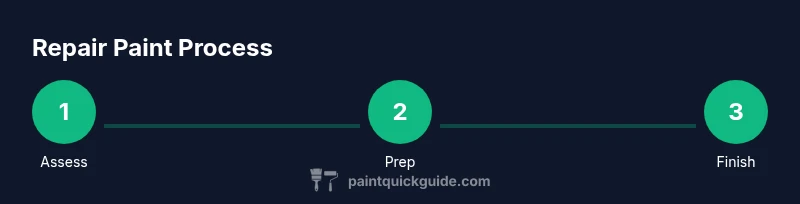
- 1
Assess damage and gather materials
Survey the affected area, decide patch method, and assemble all tools and paints before starting. Having everything ready reduces interruptions and keeps the workflow smooth.
Tip: Lay out items on a drop cloth for quick access. - 2
Prep area and protect surroundings
Apply painter’s tape to edges and cover floors with drop cloths. Clearing the area minimizes dust and prevents accidental spills.
Tip: Work in a well-ventilated space to aid drying. - 3
Clean and dry surface
Wipe surface with a mild cleaner; rinse and allow to dry completely. A clean surface improves patch adhesion.
Tip: Use a tack cloth to remove fine dust after cleaning. - 4
Patch defects and level the surface
Apply spackling compound, overfill slightly, and smooth with a putty knife. Let dry according to product instructions.
Tip: Lightly sand after drying to flush with surrounding texture. - 5
Sand and feather edges
Sand patched areas smooth, feathering the edges beyond the repair. Wipe away dust before priming.
Tip: Use fine grit for feathering to avoid new ridges. - 6
Prime, color-match, and finish
Apply a compatible primer, then hit with 2 thin coats of matched paint, allowing proper drying time between coats. Finish with a sealer if required for durability.
Tip: Test a patch in a hidden area to confirm color and sheen.
Your Questions Answered
Can repair paint be used on exterior surfaces?
Yes, but choose exterior-grade paint and primer, and follow longer cure times. Also consider weatherproof finishes for durability.
Yes, you can repair exterior surfaces with exterior-grade products and proper sealing, paying attention to cure times and weatherproof finishes.
How do I know when the patch is dry?
Check for a hard, dry feel to the patch and refer to the product’s drying time. Use a gentle touch test or a short wait period to ensure full cure.
Check that the patch feels dry to the touch and refer to the product’s drying time; a short test touch helps confirm cure.
Do I need to sand before priming?
Yes, light sanding creates a key for the primer and reduces texture differences. Wipe away dust before priming.
Yes—sand lightly to create a good surface for primer, then wipe away dust.
What sheen should I use for repairs?
Match the existing sheen (flat, eggshell, satin, gloss) to avoid noticeable patch lines. Consistency is key.
Match the current sheen to keep the repaired area blended with its surroundings.
Is it cheaper to repair or repaint the whole area?
Repairing small damaged areas is usually cheaper upfront, but large patches may justify a full repaint for uniform coverage.
Usually cheaper to repair small areas, but for large patches, repainting the area might be more cost-effective in the long run.
Watch Video
Quick Summary
- Prepare thoroughly before patching to ensure adhesion.
- Match color, sheen, and base for a seamless blend.
- Use thin coats and proper drying times for durability.
- Protect surrounding areas to avoid accidental damage.