Car Paint Fix: Chips and Scratch Repair Guide
Practical, step-by-step car paint fix guide for chips and scratches. Learn prep, color matching, finishing, and when to DIY or hire a pro, with guidance from PaintQuickGuide.


By the end of this guide, you will know how to fix minor car paint chips and scratches using DIY touch-up methods or decide when to hire a pro. You’ll learn prep steps, color matching basics, and finishing techniques to achieve a seamless look. This quick answer covers safety, materials, and a clear decision path for common damage. Format: steps.
Why Fixing Car Paint Matters
Damaged paint on a vehicle is more than eyesore — it can invite rust, corrosion, and more extensive body damage if moisture seeps underneath. A proper car paint fix protects the underlying metal, preserves value, and helps your car look its best. For most drivers, minor chips and shallow scratches are common and fixable with affordable tools and paints. The objective is to restore a seamless transition between the repaired area and the surrounding finish, while maintaining gloss, depth, and color. Taking a pragmatic, methodical approach keeps the repair durable and less prone to peeling or chipping again. In this guide, we walk through practical, proven steps for common forms of damage, with tips from PaintQuickGuide to help homeowners decide between DIY touch-ups and professional refinishing. Remember: patience and preparation matter as much as color matching and finish quality. Investing a little time now can save a lot later.
Common Types of Paint Damage on Cars
Car paint can suffer several common forms of damage, each requiring different repair strategies. Small chips from gravel or road debris create tiny holes that expose the primer or metal beneath. Surface scratches from improper washing can dull the finish and broaden if left untreated. Bird droppings and tree sap can etch the clear coat, leaving a faint stain that needs chemical-safe cleaners. Crazing or spidering describes a network of fine cracks that may indicate UV damage or an aging clear coat. Deeper scrapes that penetrate color require more involved repairs, possibly involving sanding, priming, and color matching. Understanding the type of damage helps determine the appropriate repair path and whether a DIY touch-up is feasible or a professional job is advisable. PaintQuickGuide emphasizes starting with a clean, dry surface and treating any rust promptly before cosmetic repair.
DIY vs Professional: When to Fix at Home
DIY fixes work best for small, well-defined chips and light scratches on color-matched areas. They are cost-efficient, quick, and allow you to practice color matching and finishing techniques. However, if damage covers a large area, involves multiple panels, or reveals bare metal, professional refinishing is usually the safer choice. A shop can correctly blend the repaired area into the rest of the coat, apply a top-quality clear coat, and ensure the finish meets factory standards. Home repairs also demand careful safety practices, proper ventilation, and the right environmental conditions. In some cases, warranty considerations or resale value make a professional service more compelling. PaintQuickGuide's guidance is to start with a honest assessment of the damage, weigh the costs and cosmetic goals, and choose the path that minimizes future touch-ups.
Safety and Environmental Considerations
Paint products and solvents can pose health risks if misused. Work in a well-ventilated area, away from direct sunlight, and wear protective gloves and eye protection. Avoid inhaling fumes, and store paints in tightly closed containers. Dispose of used rags and solvent-soaked materials according to local regulations to prevent fire hazards. If you have automotive refinishing in a confined space, consider a paint booth or a portable exhaust system. It's also wise to review your car insurance or local regulations before performing repairs on a leased or financed vehicle. By following best practices for safety and disposal, you protect yourself and the vehicle while achieving a durable, professional-looking finish.
Basic Step-by-Step Approach for Small Chips
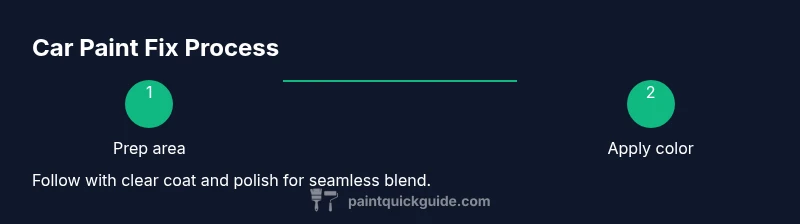
For small chips, a simple, controlled sequence yields the most reliable results. Begin with thorough cleaning, then touch-up paint in ultra-thin layers, allowing each coat to dry before the next. Gently blend the edges into the surrounding paint to minimize borders. Finish with a clear coat applied in several ultra-thin passes and allow ample cure time. Finally, polish lightly to restore shine and smoothness. The key is patience and discipline: rushing or skipping prep leads to obvious seams or mismatched color. If you see brush marks or texture on the repair, step back, reassess color match, and recoat as necessary. [Optional image reference: see Step 1 photo].
Finishing Touches: Buffing, Clear Coat, and Matching Gloss
After the clear coat cures, you’ll want to blend the repaired area with the surrounding paint. A gentle polish with a microfiber pad can erase tiny edges, while a fine-tuned buff reveals the depth and gloss of the original finish. Be mindful of the clear coat’s temperature and humidity during curing; extremes can cause orange peel or haziness. If color matching isn’t perfect, feathering the edges into the adjacent paint helps the repair look more natural. A second light pass with a polishing compound can further improve reflection and depth, making the repair nearly invisible in bright daylight.
Tools & Materials
- Microfiber cloths (lint-free)(at least 3)
- Isopropyl alcohol 70% or higher(surface prep)
- Automotive touch-up paint matched to car color(base color (paint pen or bottle))
- Clear coat pen or spray(top sealing)
- Primer (if bare metal exposed)(optional if needed)
- Fine-grit wet-dry sandpaper (1500-2000 grit)(for smoothing edges)
- Rubbing compound / polish(for finishing)
- Masking tape and newspaper or plastic sheeting(protect surrounding areas)
- Sandpaper block or foam pad(optional for even sanding)
- Dual-action polisher or soft polishing pad(optional for large areas)
- Gloves and eye protection(safety)
Steps
Estimated time: 60-90 minutes
- 1
Prepare the repair area
Clear the workspace and remove loose dirt around the damaged area. Mask the surrounding paint with tape and wax the edges to aid blending. This step reduces dust and ensures a clean edge for color application.
Tip: Use a clean edge on masking tape to prevent paint seepage; test fit tape before applying. - 2
Clean and degrease
Thoroughly wipe the damaged panel with isopropyl alcohol or a dedicated paint prep solution. A clean surface improves adhesion and color accuracy, so don’t skip this step.
Tip: Let the surface dry completely to avoid dilution of the paint layer. - 3
Check color match on a test area
Apply a small amount of touch-up paint on a discreet spot to verify color in daylight. Adjust as needed by mixing tiny amounts of tint if your system allows it.
Tip: Compare swatches under natural light; indoor lighting can skew perception. - 4
Apply primer if needed
If the chip exposes bare metal or primer, apply a thin layer of primer and let it dry fully before painting. This improves adhesion and prevents color tunneling.
Tip: Wait for the primer to dry completely to avoid dulling the topcoat. - 5
Apply base color in thin coats
Dab the color coat lightly, keeping each layer ultra-thin. Allow each coat to dry before applying the next to avoid runs and depth variation.
Tip: Build color gradually; multiple thin coats beat one thick coat. - 6
Seal with clear coat
Apply the clear coat in several ultra-thin passes. Allow the final coat to cure following product guidelines to achieve gloss and protection.
Tip: Keep a consistent distance from the surface to avoid orange peel. - 7
Polish and blend the edges
Once cured, buff with a fine polish to blend the repair with the surrounding paint. This reduces visibility of the repair line and restores luster.
Tip: Use light, even pressure and a clean pad for a smooth finish. - 8
Inspect, cure, and maintain
Check the repair under different lighting, and apply wax or sealant after the recommended cure period. Document any tweaks needed for future touch-ups.
Tip: Store paints and solvents in a cool, ventilated area away from heat.
Your Questions Answered
Can deep scratches be fixed using DIY methods?
Deep scratches that go through the color to bare metal often require professional refinishing or panel replacement. DIY methods can improve appearance for shallow damage, but adhesion and color matching may be challenging.
Deep scratches that expose bare metal usually need a pro; DIY fixes work best for shallow damage.
How do I match car paint color accurately?
To match color, locate the color code on the door jamb or fuel cap, test swatches in daylight, and adjust with tiny color additives if available. Always test before applying to the damaged area.
Find the color code, test swatches outside in daylight, and adjust if needed.
How long does a DIY car paint fix take to cure?
Cure times depend on the product and climate, but most DIY touch-ups require at least several hours for paint and 24 hours for full cure under recommended conditions.
Most DIY fixes cure within hours for paint, but full cure can take up to a day.
When should I hire a professional instead of DIY?
If you have extensive damage, large areas, or concerns about color matching and blending, a professional refinish will yield the most seamless result and protect resale value.
Consider a pro for large areas or if color matching is critical.
What safety precautions should I follow when painting a car?
Work in a well-ventilated area, wear protective gear, and follow product safety data sheets. Keep solvents away from heat sources and dispose of waste responsibly.
Ventilation, gloves, and proper disposal are essential.
Watch Video
Quick Summary
- Assess damage before starting
- Match color with careful testing
- Apply thin coats and allow drying between passes
- Seal and protect with a proper clear coat