How to Paint in Cold Weather: A Practical Guide
Learn how to paint in cold weather with practical steps, from surface prep to drying times and safety. This guide covers interior and exterior projects, paint selection, temperature control, and expert tips.


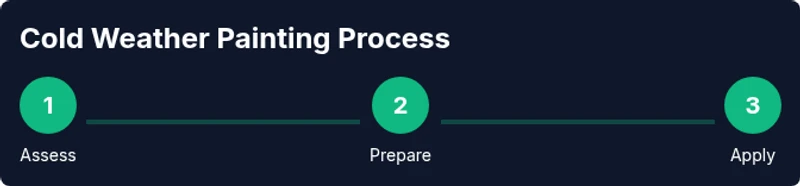
To paint well in cold weather, follow these steps: 1) verify surface temps stay above the minimum recommended by the paint manufacturer; 2) choose cold-weather or extra-slow-drying paint; 3) keep ventilation steady while avoiding drafts; 4) extend drying and curing times and monitor moisture frequently. Use a thermostat-controlled heater if needed to maintain consistent warmth.
Why cold weather complicates painting
Painting in cold weather presents unique challenges that can affect finish quality, durability, and safety. The key question many homeowners ask is how to paint in cold weather without compromising adhesion, color, or curing. According to PaintQuickGuide, the two biggest obstacles are surface temperature and ambient humidity: when surfaces stay too cold, coatings don’t flow evenly and dry times stretch far beyond what you expect. Small flaws become noticeable in low light or low temperature, and wind or drafts can cool surfaces faster than they warm. Understanding these dynamics helps you plan for a reliable, long-lasting finish even when outdoor or workshop temperatures dip below the ideal range. This article walks you through a structured, practical approach that applies to both interior and exterior projects, with safe temp targets, product choices, and realistic timing.
Paint professionals emphasize that preparation and temperature control trump quick work in cold weather. PaintQuickGuide Analysis, 2026, highlights that most failed winter jobs come from skipping temp checks, underestimating cure times, or using the wrong paint for the conditions. Staying patient and methodical yields results that resist cracking, peeling, and moisture problems later on.
bold and regular text
Tools & Materials
- Low-temperature or cold-weather paint(Choose formulations labeled for lower surface temperatures; check label for the minimum substrate temperature.)
- Thermometer or temperature/humidity gauge(Aim to keep surface temps above the paint’s minimum by a few degrees when possible.)
- Paint rollers (3/8-inch nap) and brushes (synthetic bristles)(Synthetic tools perform better with latex-based or waterborne paints in cooler air.)
- Drop cloths and plastic sheeting(Protect floors, furniture, and nearby surfaces from drips and spills.)
- Ladder or stable scaffold(Needed for exterior work or high interior walls; ensure solid footing and safety.)
- Paint tray and liners(Keep your work area organized and reduce mess.)
- Primer or bonding sealer suitable for cold temps(Use if the surface is dusty, glossy, or has previous coatings that may hinder adhesion.)
- Heat source (space heater or radiant lamp)(Only when needed to maintain temps; ensure ventilation and fire safety.)
- Moisture meter or hygrometer(Useful for large projects to monitor humidity during application and curing.)
Steps
Estimated time: Estimated total time: 4-8 hours active, plus 24-48 hours curing depending on humidity and surface porosity.
- 1
Assess and prepare the space
Measure surface and ambient temps, humidity, and dew point before you start. Clear the area, cover floors, and fix any moisture or surface defects. If temps dip below the paint’s minimum, plan to warm the space and recheck temperatures in 30-minute intervals.
Tip: Document the readings so you have a baseline for the entire project. - 2
Choose appropriate paint
Select a paint formulated for cold weather with a longer open time. Read label directions for minimum substrate temperatures and curing expectations, and prefer latex-based paints for easier cleanup in cooler conditions.
Tip: If unsure, test a small patch on a discrete surface. - 3
Warm the work area safely
Use a heater or radiant lamp to raise ambient and surface temperatures to the recommended range. Ensure proper ventilation and avoid overheating ligatures or fumes. Maintain a stable temperature throughout the application.
Tip: Keep heater at least 3 feet away from any flammable materials. - 4
Prepare surfaces meticulously
Clean, sand, and spot-prime as needed to promote adhesion. Remove chalky residues, dust, and oils that can prevent the coating from bonding in cold air.
Tip: Damp surfaces can chill the coating; ensure drying between prep steps. - 5
Apply paint with controlled timing
Apply in thin, uniform coats; cold air slows flow, so maintain a steady pace and avoid heavy loads that cause runs. Allow each coat to flatten and set in stages, watching for a glossy film that indicates proper leveling.
Tip: Do not rush edges; use a cut-in method to keep a clean line. - 6
Monitor drying and curing
Anticipate longer dry times; test a small area after a recommended recoat window before continuing. Ventilate to prevent moisture buildup without creating strong drafts on fresh film.
Tip: Use a moisture meter or touch to test readiness before exposure to moisture. - 7
Final check and cure planning
Inspect edges, corners, and high-wear areas. Plan for a longer cure period before light use or cleaning. Weather can swing quickly, so adjust plans if temps drop again.
Tip: Label the project with a recoat-by date based on actual curing conditions.
Your Questions Answered
What is the minimum temperature to paint indoors?
Most paints require a minimum substrate temperature, often around 50°F (10°C). However, manufacturers vary, so always check the label for your product. If you’re near the limit, use a controlled heat source to maintain safe conditions.
Most paints need at least about 50 degrees Fahrenheit on the surface; check your specific product label and use a heater if needed.
Can I paint outside when it’s cold?
Yes, but only with weather-appropriate paint and temps that stay above the minimum for the coating. Clear dew points and avoid windy days that strip heat from surfaces. Exterior coatings labeled for cold weather perform best in dry, moderate conditions.
You can paint outside if temperatures stay within the paint’s recommended range and humidity is low enough.
How long does paint take to dry in cold weather?
Drying times extend significantly in cold conditions due to slower solvent evaporation. Expect longer windows between coats and plan for idle time before recoat, typically 24 hours or more, depending on the product and ambient moisture.
Dry times are longer in cold weather; check the product label and wait longer between coats.
Should I use a heater while painting indoors?
A heater can help keep temps stable, but ensure proper ventilation and avoid overheating. Open windows or use fans to vent fumes while keeping the space warm enough for good film formation.
Yes, but ventilate and keep the area safe from fire hazards.
What about humidity in cold weather?
High humidity slows drying and can impair adhesion. Aim for moderate indoor humidity and use dehumidification if the space is damp before painting. Temperature and humidity together influence cure quality.
Humidity slows drying, so keep the space comfortable and dry before painting.
Can I use any paint in cold weather?
Not all paints perform well in cold. Look for products specifically rated for cold-weather application and confirm the minimum temperature on the label. If in doubt, contact the manufacturer for guidance.
Use cold-weather-rated paint and follow the label directions.
Watch Video
Quick Summary
- Plan for extra drying time
- Choose cold-weather paint and monitor temps
- Warm the space safely and ventilate properly
- Test a patch before full application
- Allow extended cure before use or cleaning