How to Paint and Seal Air Dry Clay: Practical Guide
Learn how to paint and seal air dry clay with a practical, step-by-step guide. Get prep tips, paint options, layering techniques, and durable finishes for vibrant, lasting pieces.


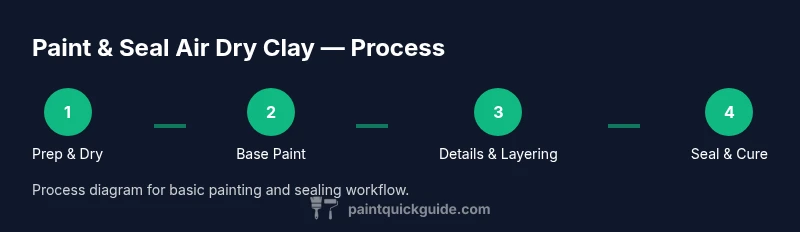
Goal: Learn how to paint and seal air dry clay to create durable, vibrant pieces. This guide covers choosing paints, prepping surfaces, applying coats, sealing for protection, and curing times. By following these steps, you'll achieve a finished look that resists chipping and discoloration while preserving detail for long-lasting keepsakes.
Why paint and seal air dry clay matters
If you're exploring how to paint and seal air dry clay, you’re aiming for colorfast, durable pieces that resist cracking and moisture damage. According to PaintQuickGuide, a proper finish begins with clean, dry clay and ends with a seal that protects color from fading. Lightweight but resilient, air dry clay accepts paints and sealants well when you follow careful prep and layering. The right combination of paint and sealer also enhances texture and detail, helping your projects look professional and lasting. This section will guide you through the full process, from choosing materials to curing times, with practical tips you can apply to home decor crafts, kids’ projects, or auto refinishing hobby work that uses polymer-style clays of this type.
Materials and tools you’ll need
Before you start, gather supplies that ensure smooth coverage and durable protection. Acrylic paints in your preferred colors, plus a clear topcoat sealer, are a solid foundation. Use fine-detail brushes for precision and rounded brushes for broader areas. A soft cloth or brush for dust removal, a water cup, a palette or tray for mixing, and sandpaper or a fine sponge for gentle surface refinement will help you achieve professional results. PaintQuickGuide notes that using high-quality acrylics and a compatible sealer yields the most durable finish. Keep a scrap piece of clay on hand to test colors and seal compatibility as you prep your project; this avoids surprises on the final piece.
Surface preparation for best adhesion
Surface prep is the silent hero of a durable finish. Start with a completely dry piece; wipe away dust and any fingerprints with a soft brush or microfiber cloth. If your piece has rough edges or small imperfections, lightly sand them with fine-grit sandpaper (320–400 grit) and wipe clean. A very light sanding helps create micro-abrasions that improve paint grip. If you plan to use very light colors or highly pigmented paints, consider a thin primer or gesso layer for a uniform base. Always allow primer to dry fully before painting. This step minimizes blotching and helps color stay true to your intent, a principle PaintQuickGuide emphasizes for reliable results.
Choosing paints and sealers for air dry clay
Acrylic paints are the most reliable choice for air dry clay, thanks to their quick drying time and compatibility with sealers. Choose non-toxic acrylics if children will handle the projects. For a matte look, a matte acrylic or varnish is ideal; for a slight sheen, satin finishes work well without looking plastic. Sealing options include brush-on acrylic sealers and spray sealers. Spray sealers can provide even coats but require good ventilation and a steady hand. Paint and sealer compatibility matters, so test on a scrap piece before applying to your project. PaintQuickGuide recommends keeping a few sealers on hand to achieve different final looks while protecting the color.
Paint techniques for different effects
Base coats should be applied in thin, even layers to avoid pooling on textured surfaces. Use a light, consistent pressure, and work in one direction to reduce brush marks. Layer colors gradually, allowing each coat to dry fully before applying the next; this builds depth and prevents muddy color mixes. Dry brushing—lightly dragging a nearly dry brush over raised areas—highlights textures without flattening detail. For sharp lines or patterns, use masking tape or a fine brush to create crisp edges. Practice on a scrap piece of air dry clay to dial in stroke width and pressure before tackling your main piece.
Sealing and finishing for longevity
Sealing is the final safeguard against moisture and color fading. Apply the chosen topcoat in several thin coats, allowing ample drying time between layers. Drying times vary with temperature and humidity, but plan for at least 24 hours for a full cure between coats in typical home environments. When spraying, hold the can or bottle about 6–8 inches away and sweep evenly to avoid drips. A final coat of sealant provides a protective film that resists moisture and abrasion, helping colors stay vibrant over time. If you’re displaying or gifting the piece, consider a UV-resistant sealer for added color retention.
Troubleshooting and care for painted air dry clay
If colors appear uneven or blotchy, light sanding between coats with very fine grit (400–600) and gentle dust removal can help. For peeling paint or cracking, reassess the number of coats and ensure each layer dries completely before the next. If you notice a white residue or haze, it’s often due to moisture or incompatible sealers—wipe gently and reapply with compatible products. When cleaning finished pieces, avoid abrasive scrubbing that can wear away the seal. Store painted pieces in a cool, dry place away from direct sunlight to minimize fading and brittleness.
Maintenance and display tips
To maximize longevity, handle pieces gently and use a soft cloth for cleaning. Display them away from direct sun or heat sources to prevent color fading and surface cracking. If you plan to use the items outdoors, reinforce the sealant with an outdoor-grade coating suitable for the local climate. Refresh the sealant after a year or two depending on wear. By following these maintenance steps, your painted air dry clay pieces will remain vibrant and durable for years to come, aligning with PaintQuickGuide’s practical guidance for hobbyists and homeowners alike.
Tools & Materials
- Acrylic paints (colors of choice)(Water-based, non-toxic preferred; good for vibrant color and easy cleanup)
- Clear sealant/topcoat (matte/satin/gloss)(Brush-on or spray; ensure compatibility with acrylic paints)
- Fine detail brushes(Size 0–2 for precision; use larger brushes for base coats)
- Soft cloth or microfiber rag(Dust removal and wiping between steps)
- Water cup and palette/mixing tray(For thinning paints and color mixing)
- Acrylic primer or gesso (optional)(Helpful for very light colors or uneven surfaces)
- Fine-grit sandpaper or sponge (320–400)(Smoothing edges before painting)
- Masking tape or masking fluid (optional)(For crisp lines and patterns)
- Ventilated area or mask (if spraying)(Important for spray sealants to reduce inhalation risk)
Steps
Estimated time: 1 hour active work + 24–72 hours drying time between coats
- 1
Prepare the piece
Ensure the air dry clay sculpture is completely dry and free of dust. Wipe with a soft brush, then lightly sand rough edges if needed. This creates a smooth surface for paint adhesion and reduces texture that can trap color. Allow any dust to settle before you start painting.
Tip: Sanding while dry yields cleaner edges; test on a scrap piece first. - 2
Clean and prime (if needed)
Remove any remaining dust and fingerprints. If you’re aiming for a very smooth finish or light colors, apply a thin primer or gesso and let it dry completely. A primer helps paint adhere evenly and reduces the chance of color shifting on porous clay.
Tip: Use a light coat; too much primer can obscure fine details. - 3
Choose your paints
Select acrylic paints appropriate for porous surfaces. Test color on a scrap piece or underside of the project to verify coverage and opacity. Mix small amounts to create the desired hues and keep a wet edge during painting to avoid color mismatch between coats.
Tip: Keep colors separated with a labeled palette to prevent cross-contamination. - 4
Apply a base coat
Paint the base color in thin, even layers. Allow each coat to dry fully before applying the next. Multiple thin coats give more uniform coverage and prevent thick layers that crack or peel.
Tip: Work in one direction to reduce brush marks and reveal texture cleanly. - 5
Add decorative layers
Layer additional colors, shading, or patterns. Use dry brushing or glazing for depth. For crisp lines, mask with tape or guide with a fine brush, then lift the tape while the paint is still tacky to prevent peeling.
Tip: Work light to dark; saving bold accents for final touches keeps colors vibrant. - 6
Seal between layers (optional)
If you’re applying many layers or intricate details, a very light seal between coats can help prevent color lifting. Let each layer dry completely before applying the next sealant. Choose a seal compatible with acrylic paints.
Tip: Test a small area first to ensure the sealant does not craze or gray your colors. - 7
Apply final sealant
Finish with 1–3 thin coats of your chosen topcoat, allowing full drying time between coats. Spray sealants require distance and even sweeping; brush-on sealers demand even strokes and attention to drips. Do not rush; a careful finish yields longevity.
Tip: Ventilate the area well and avoid humid conditions during sealing. - 8
Cure and handle
Let the final coat cure for 24–72 hours before handling heavily. Check for tackiness by gently touching in a non-visible spot. Once cured, your piece is ready for display or gifting. Store out of direct sunlight to minimize fading.
Tip: Patience with curing avoids fingerprints and smudges on a fresh finish.
Your Questions Answered
Do I need to prime air dry clay before painting?
Priming is not always required, but it helps especially with very light or sheer colors. A thin primer or gesso can improve color coverage and prevent staining of the clay. Test on a scrap piece first to confirm it works with your paints.
Priming is optional but helpful for even color and coverage. Test on scrap first to be sure it works with your paints.
How long does paint take to dry on air dry clay?
Drying times depend on thickness and the environment. Thin coats dry within 15–60 minutes, while thicker areas may take longer. Always ensure each layer is completely dry before applying the next coat or sealant.
Drying times vary; wait for each layer to dry completely before moving to the next.
What sealants are best for air dry clay?
Acrylic spray sealers and brush-on acrylic sealers are both effective. Choose a finish (matte, satin, or gloss) based on the look you want. Ensure compatibility with your paints and apply in thin coats.
Acrylic sealers (spray or brush-on) work well; pick matte, satin, or gloss based on the look you want.
Can I use spray paint on air dry clay?
Spray paint can be used, but test first to avoid glaze crazing or uneven finish. Use a spray sealer over acrylic paints to protect the finish after painting. Avoid solvents that may react with the clay.
Spray paint can work, but test first and seal with acrylic sealer after painting.
How do I prevent colors from bleeding into neighboring areas?
Let each color dry completely before applying adjacent colors. Use masking tape for sharp edges, and consider a thin primer if bleeding persists. Practice on a scrap piece to perfect your technique.
Let colors dry between applications and use tape for clean edges.
How should I store finished air dry clay projects?
Store in a dry, cool place away from direct sunlight. If you expect humidity or temperature swings, consider additional sealing or a display case to minimize moisture exposure.
Keep finished pieces in a dry, cool spot away from sunlight.
Watch Video
Quick Summary
- Start with clean, dry clay for best adhesion
- Use thin coats and test colors on scraps
- Choose compatible paints and sealants for durability
- Allow full cure between stages to prevent issues
- Protect and display finished pieces away from sunlight