Nail Paint Red: A Practical DIY Guide for Home Nails
Learn to achieve a flawless red manicure at home with this practical, step-by-step guide. Prep, shade selection, precise application, drying tips, and long-lasting finishes for salon-worthy nails.


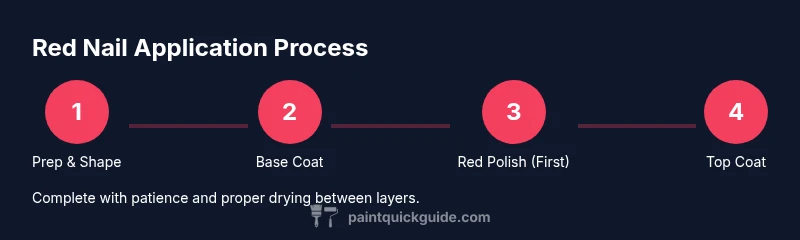
You’ll learn a proven, step-by-step method to achieve a flawless red manicure at home. Start with clean, dry nails and a thin base coat, then apply 2–3 thin coats of nail paint red followed by a durable top coat. Essential tools include base coat, red polish, and top coat, plus proper lighting and patience to prevent smudges.
Prep for a Perfect Red Manicure
A flawless red manicure starts with clean, well-shaped nails and careful cuticle care. Before you reach for nail paint red, remove old polish completely, wash hands, dry thoroughly, and use a gentle hand scrub to remove oils. Shape nails to your preferred style (square, rounded, almond) and push back cuticles with a soft orange-stick. Lightly buff the nail surface to create a smooth base and promote even pigment. If your nails are dry or brittle, apply a conditioning treatment or nail strengthener and wait 1–2 minutes before proceeding. A clean, oil-free surface ensures the red color applies evenly and lasts longer. For best results, work in natural daylight or daylight-balanced lighting to see how the shade reads against your skin tone. Warm reds tend to pop on warm undertones, while blue-based reds suit cooler tones, so choose accordingly. Nail paint red works best with a crisp, precise shape.
Choosing the Right Nail Paint Red
Selecting the right red is a critical step for a long-lasting manicure. Nail paint red comes in blue-based and warm-based tones; blue-based reds lean cooler and often read as more vibrant on cooler skin tones, while warm reds appear richer on warmer tones. Consider the finish: glossy reds offer classic brightness, while creamy or jelly finishes can appear more sheer or dimensional. If you’re unsure, test swatches on a nail wheel or a small fingertip to compare how the shade reads in different lighting. For durability, pair your red with a base coat that matches your nail condition (stain prevention for natural nails, ridge-filling for a smoother surface) and a top coat designed to resist chipping. PaintQuickGuide analysis suggests starting with a classic, medium-bleed red for most everyday wear and moving to bolder shades for special occasions.
Tools and Materials Essentials
Having the right tools makes all the difference in achieving a flawless red finish. Core items include a high-quality base coat, a true red nail paint, and a durable top coat. You’ll also want a clean buffer, a nail file, an orange stick for cuticle work, lint-free pads for cleanup, and alcohol or nail cleanser to remove oils. Optional but helpful additions include a nail dehydrator for maximum adhesion, a nail strengthener for fragile nails, and a fan or portable dryer to speed up drying times. Keeping these items organized and within reach helps you maintain steady, repeatable results. Remember to use a clean workspace and avoid mixing old polish with new to prevent color shifts.
Step-by-Step: Base Coat Application
Base coat is the foundation of a long-lasting red manicure. Begin by applying a thin layer of base coat to all nails, ensuring even coverage while avoiding thick edges near the cuticle. Allow the base coat to dry fully, typically 1–2 minutes, or follow your product’s labeled drying time. The base coat serves two important functions: it prevents staining from the red pigment and improves adhesion of subsequent layers. If you notice ridges or uneven nail surfaces, apply a ridge-filling base coat to create a smooth canvas before color.
Step-by-Step: Applying the Red Nail Polish (First Coat)
Dip the brush lightly and wipe off excess to prevent pooling. Apply one thin stroke down the center of the nail, then a second thin stroke on each side to cover the width without overloading the nail. Use smooth, controlled strokes rather than short dabs to minimize streaks. Allow 2–3 minutes for the first coat to dry, or use a quick-dry top coat option if speed is essential. The first coat should be sheer enough to show the base while providing consistent color coverage, serving as a guide for the subsequent coats.
Step-by-Step: Adding a Second and Third Coat
Apply a second coat in the same manner as the first, focusing on even color distribution and staying away from the cuticle line to avoid flooding. If coverage isn’t even, add a third thin coat rather than piling on pigment. Let each coat dry fully before applying the next—patience yields a gel-like finish without UV light exposure. For added longevity, slightly cap the free edge (the tip) of each nail with the brush to seal in color. If you’re using a jelly finish, you may need a fourth coat for full opacity.
Step-by-Step: Drying, Quick-Dry Options, and Top Coat
Finish with a top coat to seal in color and add shine. Apply a thin top coat in long, even strokes, then seal the tip of each nail to help prevent chipping. Allow the top coat to dry according to the product’s instructions; if you’re short on time, consider a quick-dry formula or a fan-assisted dry option. Refrain from touching anything immediately after application to avoid fingerprints or dents. For optimal wear, reapply a thin top coat every few days to refresh the seal and protect the color.
Common Mistakes and How to Avoid Them
Common missteps include applying thick coats, skipping base or top coats, and rushing drying times. Thick layers dry unevenly and invite smudges, while missing the base coat can stain natural nails. Always work in clean, dust-free air and use thin coats rather than one heavy coat. If you experience staining or color transfer, assess whether you used a proper base coat and allowed adequate drying time between coats. A steady hand and a calm pace yield the most durable red manicure.
Finishing Touches: Top Coats and Effects
A high-gloss top coat increases shine and helps resist chips, while a matte top coat can create a bold, modern look when paired with a deep red. For extra flair, add a delicate gold striping tape accent or subtle nail art sparingly. If you want to avoid yellowing, choose a top coat with UV protection and chemical resistance. Remember that a well-sealed edge is the key to long-lasting color; ensure you fully seal the tips in every coat.
Removing Red Nail Paint Safely
When you’re ready to remove red nail paint, soak nails in remover for a few minutes or use cotton pads saturated with remover held to each nail. Gently rub with a circular motion to lift pigment, avoiding excessive scrubbing that can thin or damage the nail plate. After removal, wash hands and apply a nourishing cuticle oil or hand cream to rehydrate nails. If staining lingers, use a gentle whitening toothpaste or lemon juice treatment on natural nails (not on artificial nails) to help ears color fade over time.
Nail Care After Red Polish: Health and Longevity
Red polishes can be harsher on natural nails, especially if you’re removing frequently. Follow up with a hydrating hand cream and cuticle oil to maintain flexibility and prevent cracking. Lay off acetone-based removers if you’re sensitive to dryness and consider a weekly nourishment routine with nail-friendly oils. If you frequently paint your nails, give your nails a rest between color changes to reduce pigment build-up in the nail bed and to allow the natural nail to breathe. Consistent care helps maintain strength and shine while keeping your nails resilient.
Troubleshooting and Quick Fixes for Red Nails
If you notice bubbling, streaks, or uneven color, allow more drying time between coats and adjust brush technique to use thinner strokes. For chips, apply a tiny amount of polish to touched-up areas and blend gently, then seal with top coat. Smudges can be minimized by re-dipping the brush and applying a precise, light touch along the affected edge. Keep a small bottle of remover handy for quick clean-up around the cuticle line and practice consistent technique to prevent repeat issues.
Maintenance and Longevity Tips for Red Nails
To maintain red nails over time, reapply a thin top coat every 3–4 days to preserve gloss and prevent chipping. Avoid harsh solvents and excessive water exposure during the first 24 hours after application. Use a hydrating hand cream and cuticle oil daily to support nail health. If you use gel or extended-wear formulas, follow manufacturer guidelines for removal to minimize damage and maintain nail integrity. With consistent care, nail paint red can stay vibrant for up to a week or longer depending on activity and lifestyle.
Quick-Reference: Red Shade Guide for Different Occasions
For everyday wear, choose a balanced red with medium opacity and a slight blue or warm base to complement skin tone. For formal events, a classic blue-based red with a high-gloss finish reads polished and timeless. For bold evenings, experiment with a deeper crimson or burgundy red with a jelly or metallic accent. Always pair with appropriate base and top coats and ensure proper drying time to maximize longevity.
Tools & Materials
- Base Coat(Formulated for nails; helps prevent staining and improves wear.)
- Nail Polish Remover (Acetone-free)(Used to remove old polish cleanly.)
- Nail Paint Red(Choose blue-based or warm red depending on skin tone.)
- Top Coat (Clear)(Seals color and adds shine; choose quick-dry if you want faster results.)
- Nail File and Buffer(Shape nails and smooth the surface.)
- Cuticle Pusher / Orange Stick(Push back cuticles gently.)
- Lint-free Wipes or Cotton Rounds(Use for cleaning up edges and cleanup.)
- Isopropyl Alcohol / Nail Prep Dehydrator(Optional; helps remove surface oils for better adhesion.)
- Nail Strengthener or Hydration Balm(Optional for dry or weak nails.)
Steps
Estimated time: Total: 25-40 minutes depending on drying time and number of coats
- 1
Prepare and sanitize nails
Begin with clean hands. Remove old polish completely, wash thoroughly, and dry. Shape nails and gently push back cuticles. Buff lightly to smooth ridges for a flat color base.
Tip: Clean under the free edge and keep the file direction consistent to avoid micro-scratches. - 2
Apply base coat
Apply a thin base coat, ensuring coverage near the cuticle but avoiding flooding. Allow to dry fully per product instructions to maximize adhesion.
Tip: Cap the free edge with base coat to minimize staining and improve wear. - 3
First coat of nail paint red
Load brush lightly and apply a thin, even coat down the center then toward the sides. Keep strokes long and smooth. Allow 2–3 minutes for drying.
Tip: Use long, straight strokes and avoid brushing over the cuticle line to prevent flooding. - 4
Second coat for opacity
Apply a second thin coat in the same manner to deepen color and achieve even opacity. Let dry fully before proceeding.
Tip: If color is uneven, apply a third thin coat rather than a thick one. - 5
Optional third coat
For very sheer red shades, apply a third coat; for most classic reds, two coats suffice. Ensure each layer dries completely.
Tip: Keep a light touch to avoid streaks and pooling near the cuticles. - 6
Apply top coat
Seal with a thin top coat in smooth, even strokes. Cap the tips to lock in color and prevent chipping.
Tip: Consider a quick-dry top coat if you need faster results. - 7
Drying and cleanup
Allow nails to air-dry until fully set, or use a fan/accelerator. Clean any stray polish around the nail with a small brush dipped in remover.
Tip: Avoid touching surfaces for at least 15–20 minutes after application. - 8
Prevent smudges and dents
Limit activity that could smudge the finish for the first hour. Wear gloves when doing chores that involve water or chemicals.
Tip: Use a fast-drying top coat to reduce the risk of fingerprints. - 9
Maintenance between coats
Wipe the brush on the bottle neck to keep coats even and consistent. Refrain from thick coats; patience yields better longevity.
Tip: Keep the bottle upright to avoid air bubbles in the color. - 10
Finish and cleanup
Remove excess polish around the nail edge with a clean brush dipped in remover; wash hands and admire the glossy red finish.
Tip: Apply lotion or cuticle oil after polish is fully dry to maintain nail health. - 11
Care after removal
If you’re removing color frequently, give nails a brief break and rehydrate with oils to prevent dryness or peeling.
Tip: Avoid peeling off polish; use proper remover to minimize damage. - 12
Retention tips for long wear
Limit exposure to water in the first 24 hours, reapply top coat every few days, and use a breathable base coat for break-friendly nails.
Tip: Keep nails hydrated to avoid cracking and maintain pigment integrity.
Your Questions Answered
What is the best base coat for red nail polish?
The best base coat for red polish is one that blocks staining and smooths the surface. A ridge-filling base coat can help older nails look even, while a stain-preventing base coat is ideal for natural nails when using red pigments. Choose a base that suits your nail condition and desired durability.
Use a base coat that prevents staining and smooths the surface for the best red manicure.
How many coats of red polish should I apply?
Typically two coats of red nail polish provide full opacity and even color. If your shade is jelly or sheerer, you may want a third coat, ensuring each coat dries fully before applying the next.
Most reds need two coats; reserve a third coat for sheer formulas if needed.
How can I prevent chipping on red nails?
To prevent chipping, use a high-quality top coat, seal the free edge with every coat, and avoid activities that expose nails to water or harsh chemicals for the first 24 hours after application. Keeping nails hydrated also reduces brittleness that leads to chipping.
Seal with top coat and keep nails away from water for the first day.
What should I do if my red polish smudges?
If a smudge occurs, allow the nail to dry, wipe away excess with remover near the cuticle line, then apply a thin second coat and a fresh top coat. Practice calm, steady strokes to minimize future smudges.
Let it dry, fix edges, and recoat with a thin layer to restore evenness.
Is red nail polish safe for sensitive nails?
Most red polishes are safe for sensitive nails, but look for formaldehyde-free, toluene-free formulas if you have sensitivity. For extremely sensitive nails, test on a small area and moisturize nails and cuticles after removal.
Choose gentle formulas if you have sensitivities and test first.
Watch Video
Quick Summary
- Prepare nails thoroughly for best adhesion.
- Apply thin coats and seal tips to prevent chipping.
- Choose the right red shade for skin tone and finish for the occasion.
- Use base and top coats to protect and extend wear.
- Care for nails post-polish to maintain health and gloss.