Nail Painting Tips: Simple, Lasting Manicures for Beginners
Learn practical nail painting tips for a flawless manicure at home—from prep to polish application and maintenance. Discover finishes, tool choices, and pro tricks to extend wear without the salon price.


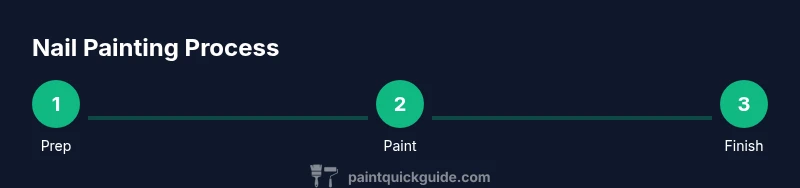
This guide teaches you a reliable at-home nail painting routine, from prep to finishing, so you can achieve salon-like results with basic tools. You’ll learn how to choose finishes, apply thin coats, and prevent common flaws. By following a repeatable sequence, you’ll improve wear and reduce chipping—saving time and money.
Nail Paint Basics: Why Prep Matters
Paint tips of nails start with a solid prep routine. A clean, dry, and lightly buffed canvas improves polish adhesion and reduces ridges that cause streaks. Nail health matters too: if your nails are dry or damaged, you’ll see peeling or uneven color. This section explains how to assess nail condition, remove oils, and establish a simple prep routine that works for beginners and DIY enthusiasts alike. By committing to a quick cleanse, shape, and cuticle care, you’ll set yourself up for a smoother finish and longer wear. According to PaintQuickGuide, a well-prepped surface dramatically affects how polish adheres and how long it lasts. A basic prep routine doesn’t require fancy tools—just patience and consistent steps. In practice, take a few minutes to wash hands, push back cuticles gently, and file nails to a uniform shape. Light buffing helps touch up any ridges. Ensure your workspace is well-lit and free of dust to avoid specks in the final coat. With the right foundation, color coats glide on evenly and look more professional.
Choosing Your Nail Paint: Types and Finishes
Nail paints come in several formulations, including traditional lacquer, gel-based polishes, shellac hybrids, and dip powders. Each type has pros and cons for wear, removal, and cure time. Traditional lacquers dry quickly and remove with standard polish remover, but may need more frequent touch-ups. Gel-based polishes cure under a UV/LED lamp and tend to last longer, but removal requires specific steps. Dip powders offer durability but need careful maintenance and professional removal. When selecting finishes for beginners, start with a reliable regular lacquer and a high-quality top coat for shine and protection. Consider the level of maintenance you’re willing to handle, since gels and dips can demand more steps during removal. PaintQuickGuide recommends starting simple and gradually exploring specialty finishes as you gain confidence.
Prepping Your Nails Like a Pro
A strong manicure begins with clean nails and proper shaping. Begin by removing old polish, washing hands, and drying thoroughly. Shape nails to a comfortable, even length and file in one direction to prevent splitting. Gently push back cuticles without tearing, then buff the surface to remove shine and create a micro-rough surface for better adhesion. Wipe away dust with a lint-free cloth and a little alcohol to ensure an oil-free canvas. Avoid over-buffing, which weakens the nail plate and can lead to peeling. If you use a base coat, let it dry completely before moving to color. A calm, orderly prep routine reduces errors and makes subsequent steps faster and more predictable.
Applying Polish for a Smooth, Long-Lasting Finish
Apply polish in thin, even coats, allowing each layer to dry before the next. Start with a base coat to protect the nail and help color adhere. Use light pressure and sweep from the hairline of the nail to the tip, then cap the free edge to seal the color. Apply a first color coat and let it dry, then apply a second thin coat for depth. Finish with a top coat to add shine and resist chipping. If you notice streaks, let the bottle warm slightly or apply a second coat more evenly. For faster results, use a gentle blow of air or a manual fan to speed drying, avoiding direct heat that could cause bubbling. Always wipe the brush clean between strokes to prevent dragging the color.
Fixes for Common Nail Painting Issues
Streaks, smudges, and bubbles are common, especially for beginners. If you see streaks, apply a very light third coat or correct only on the affected nail. For smudges, resist the urge to touch; instead, apply a fresh layer after the base coat dries. Bubbles usually come from too-thick coats or excessive brushing—slow down and use velvety, even strokes. Chips near the tip are often due to not capping the free edge or exposing nails to water too soon. Gentle buffing and a quick recoat of top coat can resurrect an imperfect manicure without starting over. Remember to keep nails moisturized and avoid harsh solvents that can undermine the finish.
Finishing Touches, Removal, and Maintenance
After drying, massage cuticle oil around the nail bed to restore moisture and flexibility. Apply hand cream for overall hydration and to seal in moisture after washing. When it’s time to remove polish, use a gentle acetone-free remover to protect nail health, especially if you buffed or used gel-like formulas. If you want to extend wear between manicures, reapply a thin top coat every 3–4 days and avoid soaking hands in water for extended periods. Proper storage—keeping polish upright, tightly closed, and away from heat—helps preserve consistency and color over time. With consistent practice, you’ll notice fewer mistakes and longer-lasting results.
Quick-Start Checklist for Beginners
- Clean and dry nails before starting
- Shape nails to uniform length and smooth edges
- Push back cuticles gently, avoid tearing
- Apply base coat and let dry completely
- Use thin coats; cap the edge of each nail
- Finish with a durable top coat and let dry fully
- Practice in a well-lit, dust-free space
- Store polishes properly to avoid thickening or separation
Tools & Materials
- Base coat( protects nails and improves adhesion)
- Color polish (your choice)( choose your preferred shade)
- Top coat( seals color and adds shine)
- Nail file( glass or emery board; fine grit)
- Buffer block( to create a micro-scratch surface)
- Cuticle pusher( plastic or wooden; gentle pressure)
- Cuticle oil( for post-paint hydration)
- Nail polish remover( acetone-free preferred)
- Lint-free cloth( for cleaning and drying)
- Drying aid (optional)( quick-dry spray or fan)
- LED/UV lamp (optional)( needed for gel or dip systems)
Steps
Estimated time: 25-40 minutes
- 1
Gather your supplies
Lay out all items on a clean surface. Organize by prep, color, and finishing to minimize back-and-forth. This reduces mistakes and speeds up the process.
Tip: Having everything ready keeps you focused and cuts down on drying time. - 2
Prep nails
Wash hands and dry thoroughly. Shape nails evenly and lightly buff the surface to remove shine. Push back cuticles gently and wipe away any residue.
Tip: Light buffing helps polish grip without weakening the nail. - 3
Apply base coat
Apply a thin layer of base coat, covering the entire nail and capping the free edge. Let the base coat dry completely before moving to color.
Tip: A thin layer avoids puddling at the edges. - 4
First color coat
Apply a thin, even coat from the cuticle to tip in one smooth stroke. Avoid heavy pressure and wipe the brush for clean application.
Tip: Always cap the free edge to seal the color. - 5
Second color coat
If needed, apply a second thin coat for depth and even color. Let it dry fully between coats to prevent streaks.
Tip: Two light coats are better than one thick one. - 6
Top coat and finish
Finish with a top coat; apply like the color coats and cap the edges. Allow ample drying time and avoid using hands for at least 10–15 minutes.
Tip: A good top coat prevents chipping and adds shine.
Your Questions Answered
What is the best order for nail painting?
Start with a base coat, then apply color coats in thin layers, and finish with a top coat to seal the manicure.
Begin with base coat, add thin color coats, then top coat to seal your manicure.
Do I need a UV lamp for nail polish?
Only if you’re using gel or dip powders. Regular polish dries in air and does not require a lamp.
Only use a UV lamp if you’re applying gel or dip powders; standard polish dries on its own.
How long does nail polish last?
Durability depends on proper prep, thin coats, base/top coats, and care between applications.
Durability depends on prep, technique, and how you care for your nails between changes.
Can I fix a smudge after it dries?
You can lightly buff and reapply a small amount of polish, or clean the edge and apply a fresh thin coat where needed.
Yes, you can fix a smudge with a careful touch-up and a thin new coat where necessary.
How should I remove nail polish safely?
Use a gentle remover, preferably acetone-free. Soak a cotton pad and hold it on the nail for a moment before wiping away.
Use a gentle remover and soak briefly to lift color without drying the nails.
How can I prevent chipping?
Apply thin coats, cap the edges, avoid water exposure right after painting, and reapply a thin top coat as needed.
Thin coats and a fresh top coat help prevent chips; minimize water exposure after painting.
Watch Video
Quick Summary
- Prepare nails for lasting adhesion
- Use thin coats and cap the edges
- Finish with a durable top coat
- Practice in a well-lit, dust-free area