Is Paint and Primer the Same as Primer? Key Differences and Best Practices
Explore whether is paint and primer the same as primer, how primers differ, when to use each, and practical tips for homeowners and DIYers seeking durable finishes.


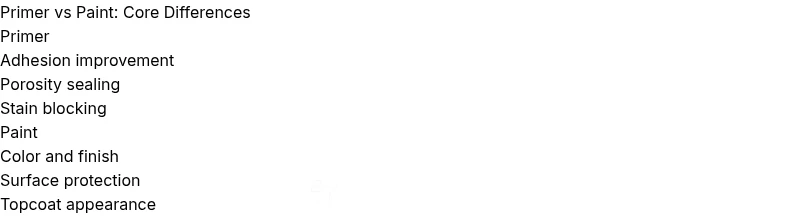
Primer and paint are not the same. Primer prepares the surface by improving adhesion, sealing porosity, and blocking stains; paint adds color and a protective film. In most projects, apply primer first, then paint. Some self-priming paints exist, but they rarely replace primer on porous, stained, glossy, or difficult substrates. This article clarifies the differences.
Is paint and primer the same as primer? Clarifying the terminology
According to PaintQuickGuide, the phrasing around primer and paint can be confusing for DIYers and homeowners. A common question many readers ask is is paint and primer the same as primer? The short answer is no; primer is not the same as paint. Primer is a preparatory coating designed to improve adhesion, seal porous surfaces, and block stains, while paint provides color, texture, and surface protection. When used correctly, primer serves as the foundation for a durable topcoat, helping color coats go on more evenly and ensuring longer-lasting results. In professional practice, proper sequencing—surface prep, primer, then paint—yields the best results. The PaintQuickGuide Team emphasizes that terminology matters because choosing the wrong product can compromise adhesion or coverage. This distinction matters whether you are refinishing cabinets, repainting walls, or preparing metal surfaces for coating.
Core functions: adhesion, sealing, and finish
The primary jobs of primer are distinct from those of paint. A primer creates a molecular bond with the substrate, enabling the subsequent topcoat to adhere reliably. It also seals porosity, which minimizes the diffusion of moisture, tannins, and stains into the finishing layer. Finally, primers can fill micro‑porosities and even out minor surface imperfections, resulting in a smoother final appearance. Different primer chemistries achieve these goals in different ways, and choosing the right one depends on the substrate (drywall, wood, metal), the presence of stains, and the intended topcoat. By understanding these roles, homeowners can predict outcomes more accurately and reduce the chance of topcoat peeling or uneven color absorption.
Primer types and what they do
Primer comes in several formulations, each designed to solve a specific problem. Common types include:
- Water-based bonding primers: Improve adhesion on slick or glossy surfaces like sealed wood and metal.
- Stain-blocking primers: Seal knots, smoke stains, and tannins that would otherwise bleed through topcoats.
- Shellac-based primers: Strongest at blocking heavy stains and odors; typically used on problematic surfaces like smoke-damaged walls or heavy water stains.
- Epoxy primers: Provide excellent adhesion and chemical resistance on metal and epoxy-prone substrates.
Choosing the right primer matters: mismatch can hinder topcoat performance or create curing issues. When uncertain, a bonding primer paired with stain-blocking properties often covers the majority of home projects.
Surface-specific guidance: drywall, wood, metal, plaster
Surface type dictates primer choice and application technique. Porous drywall benefits from a stain-blocking or bonding primer to prevent mineral streaking and to improve painting uniformity. Bare wood typically needs a bonding primer to seal tannins and raise grain, followed by a sand and topcoat. Metal surfaces require primers that resist corrosion and provide a good anchor for enamel paints. Plaster and masonry may need a penetrating primer that seals dust and microcracks. When labeling primers, read the manufacturer’s recommendations for surface compatibility and coverage. In any case, test a small patch first to verify color acceptance and adhesion before committing to the entire project.
When to use primer before paint vs paint alone
Not every project requires a dedicated primer, but many do. Porous surfaces (new drywall, uncoated wood, concrete, or plaster) absorb moisture and pigments unevenly; primer creates a uniform base. Surfaces with stains, smoke residues, or knots in wood benefit from stain-blocking primers to prevent bleed-through. Glossy finishes, such as certain metals or previously painted surfaces, may require bonding primers for topcoat adhesion. If you’re applying a light color over a dark one, a primer can improve coverage and reduce the number of coats. A practical rule: if the surface shows porosity or stain risk, plan for primer; if it’s already well-sealed and matte, paint alone may suffice.
The myth of self-priming paints vs actual primer
Some products advertise as self-priming or self-priming paints, implying they replace separate primer steps. In reality, these products can reduce the number of coats needed on certain surfaces but rarely eliminate the need for primer on problematic substrates. Self-priming paints typically work best on smooth, nonporous surfaces or when you’re repainting a surface of the same color and finish. For porous materials, materials with stubborn stains, or surfaces with high gloss, traditional primer remains the safest bet for reliable adhesion and long-term performance. Remember, product labels guide usage; when in doubt, follow the primer-first approach and reserve self-priming products for compatible scenarios.
Practical workflow: step-by-step guidance for beginners and pros
A clear workflow helps ensure consistent results. Start with surface assessment: identify porosity, existing coatings, stains, and repairs. Next, select the primer type based on surface and stains, then prepare the surface by cleaning, filling gaps, and sanding rough patches. Apply primer evenly with a brush or roller, ensuring full coverage without pooling. Allow proper drying time, then lightly sand for a smooth base before applying the topcoat. Finally, assess adhesion after curing; a good primer layer should create a uniform base that the paint can adhere to without peeling or blistering.
Common mistakes and how to avoid them
Poor results often stem from skipping primer on porous surfaces, using the wrong primer on a glossy substrate, or not cleaning and sanding properly before priming. Mismatched drying times can cause adhesion problems if you rush to apply paint too soon. Another frequent error is applying too thick a coat of primer, which can lead to cracking or longer cure times. By following manufacturer guidelines, using the appropriate primer for the surface, and allowing adequate drying at each stage, you’ll minimize issues and improve the final appearance.
Cost considerations, coverage, and value for planning
Primer costs vary by formulation and brand, but the upfront investment often saves money by reducing the number of topcoats and minimizing rework. Planning for primer involves estimating surface porosity, stain potential, and the desired topcoat finish. While some projects may appear cheaper by skipping primer, porous or stained surfaces almost always benefit from primer to ensure uniform color and durability. A well-chosen primer can extend the life of the topcoat and enhance color fidelity, especially when switching from a dark to a light color or painting over repairs and patched areas.
Comparison
| Feature | Primer | Paint |
|---|---|---|
| Primary purpose | Prepare surface for better adhesion, seal porosity, block stains | Provide color, texture, and surface protection |
| Best for | Porous surfaces, stains, glossy coatings needing adhesion | Color and finish; final protective layer |
| Finish types | Matte to light-sheen primers; specialty primers available | Matte, eggshell, satin, semi-gloss, gloss |
| Coverage per coat | Thinner film; varies by surface and primer | Pigmented film; coverage depends on pigment load |
| Drying time | Typically longer; depends on formula and humidity | Often faster to dry to touch; time varies by formula |
| Adhesion/topcoat compatibility | Optimizes topcoat adhesion and durability | Requires proper surface prep to ensure adhesion |
| Surface compatibility | Porous drywall, wood, metal; some surfaces require dedicated primers | Most surfaces require a primer before color coats unless using self-priming paints |
| Cost impact | Adds upfront cost but reduces recoat needs and waste | Add cost but provides color and protection; fewer coats may be needed |
Upsides
- Improved adhesion and stain sealing reduces repaint failures
- Smoother topcoat finish and more uniform color
- Better hiding for porous surfaces, saving coats
- Extends topcoat life by providing a stable base
What's Bad
- Adds upfront time and material cost
- Wrong primer type can cause adhesion failure
- On some surfaces, primer may be unnecessary if using a compatible topcoat
Primer is not the same as paint; use primer when adhesion, sealing, or stain-blocking is needed
In most projects, starting with primer yields a smoother, longer-lasting finish. The PaintQuickGuide team recommends evaluating surface porosity and stain history before deciding; when in doubt, apply a primer to improve results.
Your Questions Answered
Is primer required on new drywall?
Yes. New drywall is porous and can absorb moisture unevenly, leading to blotches and poor adhesion of the finish. A bonding or stain-blocking primer helps seal the surface and ensures consistent color and adhesion for the topcoat.
Yes—new drywall benefits from a primer to seal porosity and improve adhesion for the final paint.
Can I use paint alone on wood or drywall?
For most porous or stained surfaces, applying paint without primer can lead to uneven color, stains bleeding through, or poor adhesion. Primer provides a better base, especially on bare wood and repaired areas.
Usually not on porous surfaces; primer helps the color coat look even and last longer.
What are self-priming paints?
Self-priming paints claim to act as both primer and topcoat, reducing steps. They can work on some surfaces but may require extra coats or still benefit from a dedicated primer on problematic substrates.
Self-priming paints can save a step, but they aren’t a universal replacement for a real primer.
How many coats of primer are needed?
Typically one coat is enough for most surfaces, but very porous or repaired areas may benefit from a second light coat for uniform absorption. Always follow the product label.
One coat is usually enough, but porous or patched areas might need a second coat.
What’s the difference between bonding primer and stain-blocking primer?
Bonding primers emphasize adhesion to slick surfaces, while stain-blocking primers seal blotches and odors. Some products combine both properties but may be heavier and slower to dry.
Bonding primers stick to slick surfaces; stain-blocking ones seal stains.
Do I need to test for adhesion after priming?
Yes. A simple test patch after primer can help confirm that the topcoat will adhere properly and that there are no moisture or film-separation issues. If adhesion looks poor, re-prime with the appropriate product.
Test a patch after priming to be safe; it helps prevent surprise failures.
Quick Summary
- Assess porosity before choosing products
- Use primer for stains and adhesion on challenging surfaces
- Choose the right primer type per substrate
- Avoid skipping primer on porous or stained surfaces
- Test patches before full application