How Long Does Paint Last in a Bucket? A Practical Shelf-Life Guide
A practical, data-informed guide to how long paint lasts in a bucket, covering latex vs oil-based formulas, storage practices, signs of spoilage, and waste-reducing reuse strategies for homeowners and DIYers in 2026.


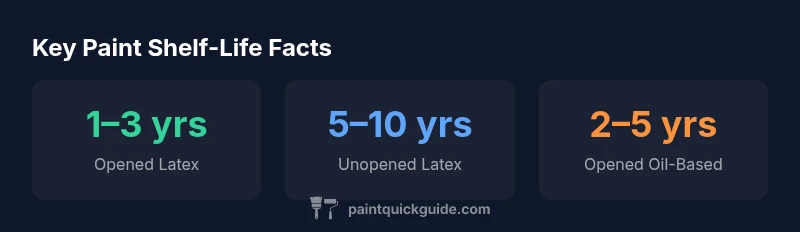
Unopened buckets of paint last longer than opened ones, and shelf life depends on paint type and storage. Generally, unopened latex (water-based) paint stored cool and dark can last about 5–10 years; unopened oil-based paint can last about 7–14 years. Once opened, latex typically stays usable for 1–3 years with a tight seal, while oil-based paint often lasts 2–5 years when stored correctly.
How storage conditions affect shelf life
Understanding how long does paint last in a bucket begins with storage conditions. Even within the same bucket, the environment matters as much as the formula. Temperature swings, humidity, sunlight exposure, and how quickly you reseal the lid can all change the paint's texture, odor, and color. For homeowners storing paint in a garage, basement, or utility room, aim for a stable environment: 50-85°F (10-29°C) with moderate humidity. Keep the bucket away from direct sun and heat sources; UV light can degrade pigments and cause premature color shift. Before using stored paint, stir thoroughly and inspect for skin formation, lumps, or a chalky film. The exact lifespan varies by formula, so use the following guidance for planning and disposal rather than assuming a fixed date. If you're evaluating leftovers in a bucket, ask: is the seal intact, has the lid been unopened for months, and does the paint smell or feel differently than when new?
Latex vs oil-based: shelf life differences
Not all paints behave the same once opened. Water-based latex paints are generally more forgiving, but they are also more sensitive to improper sealing. Oil-based paints tend to resist microbial growth longer when unopened, but they age through solvent evaporation and pigment settling. In practice, unopened latex in a sealed bucket can last about 5–10 years, whereas unopened oil-based buckets can last roughly 7–14 years. Once you crack the seal, latex paint typically remains usable for 1–3 years if you maintain a tight lid; oil-based paints may stay workable for 2–5 years when stored correctly. If you notice a thick skin forming or separated liquid layers with a curdled smell, that’s a sign to discard.
Storage conditions that extend life
Habitual storage conditions are often ignored. Temperature stability is key: avoid freezing or scorching heat; aim to keep paint in a place where temperatures stay between roughly 50–85°F (10–29°C). Limit humidity to prevent mold and mildew; a dry utility room is better than a damp basement. Ensure the bucket lid is clean, dry, and tightly sealed after each use. If you must emulsify the paint with brushes, do it under controlled conditions; avoid contaminating the paint with water or other liquids. Clear any sediment on the bottom by stirring, not shaking vigorously, because agitation can introduce air and cause skin formation. Label the bucket with the date of opening and intended finish to keep track of replacement windows.
Signs paint has gone bad and how to test it
Even if the bucket is sealed, paint can degrade. Look for these signs: a foul, sour, solvent-like odor; a skin or film forming on the surface; a lumpy or chunky texture; separation of layers that do not recombine with stirring; and unusually watery or curdled liquid. Do a quick test by applying a small amount to a test surface. If it covers unevenly, dries with a chalky finish, or shows poor adhesion, discard. Temperature spikes and humidity changes can accelerate spoilage, especially for latex paints. When in doubt, contact the paint manufacturer or discard according to local regulations. This spoilage check helps prevent project delays and waste.
Practical tips for reusing leftover paint from a bucket
Leftover paint can be reused if it remains viable. Store in a cool, dark area, with the lid sealed and the top wiped clean to maintain a strong seal. When you’re ready to reuse, shake or stir vigorously to re-emulsify the pigments and adjust consistency with the recommended thinner or reducer if needed. Label and store the container upright to avoid sediment settling. For longer-term reuse, consider moving the paint to smaller, clearly labeled canisters, which reduces air exposure. If you plan to combine different colors, test compatibility to avoid muddy results. For car refinishing projects, keep in mind pigment stability matters more when matching exact shades; if the paint has aged past its recommended window, it’s safer to start with fresh material.
Shelf life for common paint types in typical home storage conditions
| Paint Type | Opened (shelf life) | Unopened (shelf life) | Notes |
|---|---|---|---|
| Latex (water-based) | 1-3 years | 5-10 years | Store tightly sealed; cool, dark place |
| Oil-based | 2-5 years | 7-14 years | Ventilate when using; avoid contaminating with water |
| Chalk/other specialty | Varies | Varies | Refer to manufacturer guidance |
| Clear topcoats/sealers | 1-3 years | 5-7+ years | Shield from direct sunlight; reseal after use |
Your Questions Answered
How long does paint last in a bucket after opening?
Opened latex paint generally lasts 1–3 years if kept tightly sealed and stored in a cool, stable environment. Opened oil-based paint typically remains usable for 2–5 years under similar storage conditions. Always inspect for smell, texture, and adhesion before reuse.
Latex paints last about one to three years after opening if you keep the lid tight and store cool and dry; oil-based paints last about two to five years under the same conditions.
Does refrigeration help extend shelf life of paint in a bucket?
Refrigeration is not generally recommended for typical home paints. Temperature fluctuations can cause condensation and separation. A stable, cool, dry place is preferred for both latex and oil-based paints.
Storing paint in a steady, cool place is best; avoid refrigerating paints as the temperature swings can ruin consistency.
What are the signs that paint has spoiled?
Common signs include a sour odor, a skin forming on the surface, lumps or separation that won’t recombine with stirring, and unusual color changes. If in doubt, discard safely.
If it smells bad, looks clumpy, or won’t mix back, it’s time to throw it out.
How should leftovers be disposed of?
Dispose of paint according to local regulations. Do not pour liquid paint down drains. Many communities offer household hazardous waste collection for old or unusable paint.
Follow local rules for disposal; don’t pour paint into sinks or sewers.
Can different colors be mixed to extend usability?
Mixing different colors is not recommended for consistency and color accuracy. If you must, test on a small area first and ensure compatibility.
Be careful mixing colors; you may end up with an unusable shade.
Is shelf life different for exterior paints?
Exterior paints follow the same general rules but may be more prone to temperature and UV exposure. Store in the most stable environment possible and monitor for signs of degradation the same way.
Exterior paints still need cool, stable storage and testing before reuse.
“Shelf life is a function of formula, storage conditions, and careful sealing. Treat a bucket as a living system where the seal and environment largely determine usability.”
Quick Summary
- Store paint in a cool, dark, stable environment.
- Opened paint life is significantly shorter than unopened.
- Test old paint before reuse to avoid project problems.
- Label openings with date to track replacement windows.