When Did Paint Get So Expensive? Costs, Causes, and Practical Tips
Explore why paint prices have risen, the main cost drivers from raw materials to freight, and practical budgeting tips for homeowners and DIYers in 2026.


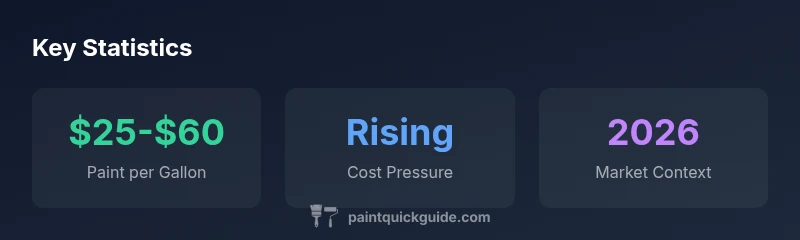
Paint prices began rising noticeably in the early 2020s, and by 2026 many common interior latex and exterior paints cost more than they did a few years earlier. The surge is driven by higher raw-material costs, shipping pressures, and regulatory changes affecting solvents and production. Consumers also face price gaps between budget brands and premium finishes.
when did paint get so expensive
The question isn’t just a headline—it reflects a real, multi-year shift in how painting costs behave. The phrase when did paint get so expensive has moving parts: regional price differences, brand options, and the balance between value and performance. In 2026, most homeowners notice price gaps between budget lines and premium finishes, especially if a project includes multiple coats or specialty coatings. The core drivers are external to any single product: macroeconomic trends, supply-chain dynamics, and evolving regulations that shape formulation and manufacturing costs. Understanding these factors helps homeowners plan more accurately for projects and avoid sticker shock when selecting colors, sheens, and primers.
The Price Timeline: Early 2020s to 2026
Price shifts began gaining momentum in the early 2020s and carried into 2026 across many market segments. While exact numbers vary by region and brand, the trend is consistent: per-gallon costs rose as demand grew for better-performing finishes and as raw-materials costs climbed. Manufacturers faced higher energy and resin costs, while freight and logistics bottlenecks added to the landed price of coatings. For do-it-yourselfers and professionals alike, this translates to greater price volatility, longer lead times for popular colors, and more price variation between retailers and online outlets. The macro story is clear: paint costs didn’t spike in a single year, but accumulated over time through a series of supply-and-demand shocks.
Key Drivers Behind Price Increases
There isn’t a single culprit; there are several overlapping factors that collectively push paint costs higher. First, raw materials such as resins, pigments, and solvents have become more expensive due to global supply constraints and fluctuating commodity cycles. Second, energy costs for production and drying processes have edged upward, feeding into unit costs for each gallon. Third, freight and distribution bottlenecks raise the price homeowners see at checkout, particularly for imported brands or premium finishes with larger packaging. Finally, regulatory shifts around volatile organic compounds (VOCs) and environmental standards can necessitate reformulation, adding development and batch costs. Together, these forces create a pricing landscape where even the same brand can have several price points depending on finish, size, and region.
How Different Paint Segments Are Affected
Not all paint categories move in perfect harmony. Interior latex paints may experience different pricing dynamics than exterior acrylics or specialty coatings like enamels and primers. Budget lines often feel tighter margins, while premium finishes retain pricing power due to performance benefits such as durability, color retention, and washability. Automotive refinishes and industrial coatings follow separate supply chains and regulatory constraints, meaning their price movements may diverge from consumer decorative paints. For homeowners, this means evaluating value, not just sticker price—consider coverage per gallon, required coats, and the expected lifespan of the finish when comparing brands.
Regional Variations and Budgeting Tips
Regional differences matter for total project cost. Coastal markets can be more susceptible to freight-inflated prices, while inland regions may see different supplier promotions. Climate and local demand for DIY projects also shape pricing. A practical budgeting approach is to plan for price volatility: track multiple brands, watch for regional sales, and consider buying paint in advance for large jobs. Color-matching services and sample programs can reduce the risk of costly mispicks, ultimately saving money over time.
Practical Ways to Mitigate Rising Paint Costs
Combat rising costs with a mix of smart purchasing and project planning. Time purchases around known sales or promotions, buy in bulk where feasible, and compare per-gallon efficiency rather than just the sticker price. Look for mid-range products with solid coverage and durability, which can reduce total gallons used. Don’t overlook primers and sealers that improve coverage and longevity—these can lower the amount of paint needed over the life of a project. Finally, consider postponing nonessential color changes if a color repeat is possible, and use color-matching programs to minimize waste.
Return on Longevity: Quality vs. Price
Investing a bit more in high-quality formulations can yield better coverage, longer-lasting color, and fewer repaint cycles, which lowers long-term costs. While the upfront price may be higher, the improved durability and fewer coats required often balance or exceed the extra expense over time. For exterior surfaces exposed to weather, higher-grade coatings frequently resist fading and peeling better, delivering value through reduced maintenance.
What to Expect in 2026 and Beyond
Industry observers expect ongoing price sensitivity due to supply-chain volatility, with potential easing if manufacturing and logistics stabilize. Look for periodic promotions, volume discounts, and reformulations aimed at lower VOCs, which can affect pricing. The overarching takeaway for 2026 is to plan ahead, compare brands, and factor price fluctuations into project budgets. As markets normalize, price variability may shrink, but the long-term trend toward higher baseline costs could persist in some regions.
Real-World Budgeting Scenarios
Translating theory into practice means modeling different project scopes. A small room repaint may incur higher per-gallon costs due to multiple coats and color-matching primers, while a full-house exterior project demands more gallons and longer drying times, amplifying both material and labor budgets. Use a fixed contingency—10–15% is a common range—to accommodate price changes, color selections, and scheduling delays. Document expected prices and keep a running list of nearby suppliers to compare promotions as the project progresses.
Estimated paint quantities and costs by project type
| Project Type | Paint Needed | Estimated Cost |
|---|---|---|
| Interior walls (house) | 8-15 gallons | $80-$900 |
| Exterior siding (house) | 15-25 gallons | $150-$1500 |
Your Questions Answered
Why have paint prices increased in recent years?
Prices rose due to higher raw-material costs, freight delays, and regulatory changes affecting formulation and VOC limits. Region and brand play a role in how much you’ll see on the tag. Planning ahead helps manage surprises.
Prices rose because materials and shipping costs went up; regional differences matter, so plan ahead.
Are cheaper paints a better long-term investment?
Cheaper paints may require more coats or have shorter lifespans, increasing total cost. For high-traffic areas or exterior surfaces, investing in mid- to high-range products often yields better coverage and durability over time.
Savings up front can backfire if you need more coats later.
Which finishes are most expensive to paint?
Glossy and high-sheen finishes can be pricier due to specialized formulas and additional prep work. Some specialty coatings and primers also carry higher upfront costs but may offer longer protection.
Shiny finishes can cost more upfront, but they might save on maintenance later.
How should I budget for painting in 2026?
Plan for price volatility by budgeting an extra 10–20%, compare multiple brands, and factor in primers and disposal costs. Track promotions and stock levels at several retailers to maximize value.
Set aside some extra funds and shop around before buying.
Will paint prices decrease after supply chain normalization?
If supply chains stabilize and raw-material costs ease, prices may soften in some regions. However, volatility can persist due to ongoing regulatory changes and demand shifts.
There could be a dip if supply chains normalize, but volatility might linger.
“Paint prices reflect a complex mix of raw-material costs, logistics, and regulation; smart shoppers plan around volatility rather than chasing the lowest sticker price.”
Quick Summary
- Budget for price volatility in paint projects
- Compare per-gallon coverage, not just price
- Consider long-term value over upfront cost
- Watch regional promotions and stock levels
- Plan color choices to reduce waste and rework