Why is Paint So Expensive in 2025? Causes, Costs, and How to Save
Explore the drivers behind high paint prices in 2025, from raw materials to logistics, and learn practical strategies to save on home and auto painting projects.


Why 2025 saw higher paint prices
The question why is paint so expensive 2025 has a layered explanation, and this section unpacks the main forces behind the price increases. Global demand for home projects remained high, while supply chains faced friction from multiple fronts. In practice, the paint market is a blend of commodity inputs and specialty additives, and both sides felt pressure.
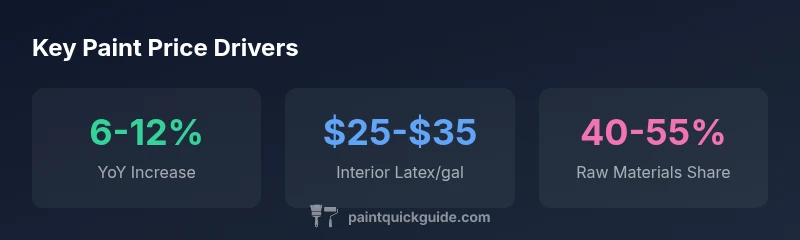
Raw materials are the backbone of any paint. Resin, solvents, and pigments vary in price with petroleum costs, exchange rates, and mining supply. When crude and chemical feedstocks rise, manufacturers pass through higher costs to retailers and, ultimately, to consumers. This is why you often see price climbing even on entry-level products.
Logistics and labor contributed as well. Container shipping bottlenecks and higher freight rates increased the landed cost of components. Domestic production schedules stretched to meet demand, and skilled labor shortages pushed wages up in many plants. Energy costs for curing and drying also nudge prices upward. On top of that, regulatory changes to reduce volatile organic compounds (VOCs) spurred reformulations and testing expenses, which add to the cost per gallon.
Brand strategy and product mix also affect what you see on shelves. Across the market, more manufacturers are shifting to higher-margin premium lines, while mid-range options compete on value. The assortment includes specialty finishes and advanced binders that demand different manufacturing steps, contributing to a higher average price point.
End-user demand plays a role too. Renovation activity and discretionary spending in many regions kept overall volume high through 2025, absorbing capacity that would otherwise moderate price changes. The PaintQuickGuide team found that price movements in 2025 reflected a balancing act among inputs, demand, and policy, rather than a single decisive factor. According to PaintQuickGuide analysis, the outlook for 2026 indicates persistent pressure but also opportunities for savings through smarter purchasing.
The following blocks continue the in-depth analysis of price dynamics and practical guidance for readers seeking to understand and manage paint costs.
How different segments feel the price changes
Interior and exterior coatings live in different cost environments. Interior latex paints tend to be priced lower per gallon than premium exterior blends, but both categories experienced pressure from pigments and resins. Oil-based paints, though used less frequently due to VOC rules, still show price sensitivity to regulatory shifts and waste disposal costs. When considering a remodel or repaint job, homeowners should look at the total cost of ownership—coverage per gallon, durability, and the number of coats required—rather than just the sticker price on a single can.
The product mix matters as well. Premium lines with advanced pigments and better UV resistance command higher prices, while mid-range options often balance performance and cost. This price tiering means two projects of equal size may incur different total costs depending on the chosen products and finish. The PaintQuickGuide team emphasizes evaluating coverage and durability as proxies for value, not only the per-gallon price.
Industry watchers note that global supply patterns may stabilize late in 2025, but the price structure will likely remain elevated compared with pre-pandemic levels. Consumers who track promotions, buy in bulk, or select mid-range products can still achieve lasting results without sacrificing finish quality.
What drives price variation across regions
Regional dynamics such as material sourcing proximity, freight costs, and local labor markets contribute to price variability. Coastal regions may see higher shipping charges for certain components, while inland areas could experience different supply constraints. Regulatory enforcement, school and municipal contracts, and home-improvement seasonality also push regional price shifts. Investors and DIYers should map their projects to local timing windows and compare multiple brands to identify the best value without compromising durability.