Paint Size Cans: Choosing the Right Quantities
A practical guide on paint size cans, covering common can sizes, estimating quantities, cost considerations, waste reduction, storage, and tips for home painting.


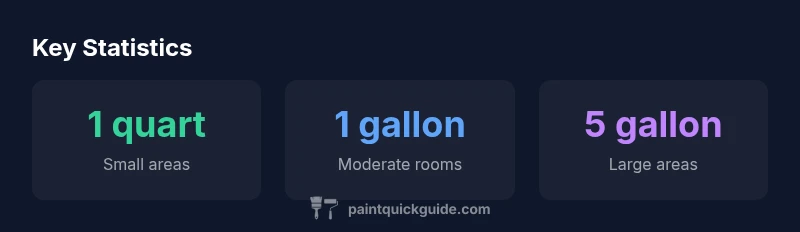
Paint size cans commonly come in 1-quart, 1-gallon, and 5-gallon options. For most DIY home projects, the gallon size provides a practical balance between coverage and waste. Quart cans are ideal for trim or touch-ups, while 5-gallon pails suit large rooms or multiple walls. Auto refinishing may require larger or specialty sizes.
Understanding standard can sizes for painting projects
Paint size cans come in a few standard volumes, with 1-quart, 1-gallon, and 5-gallon options being the most common for home projects. Recognizing these sizes helps you plan coverage, minimize waste, and compare prices more accurately. For most DIY home painting tasks, the gallon size provides a practical balance between surface area coverage and the risk of leftovers. Quart cans are ideal for trim, doors, and small touch-ups, while 5-gallon pails suit large rooms or multiple walls where color consistency is important across a project. Beyond these core sizes, specialty cans exist for specific finishes or automotive coatings. When selecting paint size cans, consider the project scale, the number of coats, and whether you’ll need color-matching or multiple colors. According to PaintQuickGuide, standard can sizing reduces procurement friction and simplifies storage, which can save time on busy weekends.
How to estimate quantities using your space
Accurate estimation starts with measuring the area you plan to paint. Calculate wall area by multiplying height by total linear feet of walls, then subtract doors and windows. Multiply the net area by the number of coats you expect to apply. Use the manufacturer’s coverage rate (often listed on the can) to convert square footage to gallons, then map gallons to paint size cans. For example, a 12x12 room with 8-foot ceilings has about 384 square feet of wall area. Two coats would require roughly 0.9-1.1 gallons depending on color and surface texture. Rounding up to a full gallon plus a quart for trim is a common practical approach. The goal is to minimize overbuying while ensuring you have enough paint for two coats and color-matching opportunities.
Cost and waste implications of can size
Choosing the right can size has direct cost and waste implications. Per-gallon costs vary by brand and finish, but quart cans generally cost less upfront while delivering less coverage per can. A typical DIY project will balance cost with waste by selecting a gallon for walls and a quart for trim and touch-ups. Remember that multiple coats increase total gallons required, so plan for an extra coat or two. Unused paint in an opened can should be sealed tightly and stored properly to extend its life and reduce disposal needs. Paint size cans are designed to minimize waste, but only when you estimate accurately and account for color changes or repairs in the future.
When to choose quart vs gallon vs five-gallon
Use quart cans for precise touch-ups, small doors, windows, or accent work where color matching is critical. A gallon is usually the best all-around choice for walls in a typical room, offering ample coverage without excessive leftovers. Five-gallon pails are efficient for large spaces, multiple rooms, or color-consistent projects, where maintaining a uniform shade across areas is important. In automotive or industrial contexts, automotive-grade finishes may use different packaging and handling practices. By understanding standard paint size cans and matching them to project scope, you reduce waste and simplify logistics.
Light vs dark colors and coverage considerations
Light colors often require fewer coats but may need primer for uniform coverage on certain surfaces, while darker colors can require more coats or additional primer. The choice of color directly affects coverage rates and the number of cans needed. If you expect to switch colors mid-project, larger cans can help maintain consistent shade across walls. When possible, buy a little extra of the same batch to avoid subtle color mismatches between cans. This is particularly important in larger rooms where lighting can exaggerate color differences.
Storage, shelf life, and reusing leftover paint
Opened cans should be sealed tightly and stored upright in a cool, dry place away from extreme temperatures. Label the can with color, finish, and date opened. For latex paints, some homeowners refrigerate or freeze leftovers for longer-term storage, but you should follow manufacturer guidance for safety and quality. Mixing two opened cans of the same color and finish is usually acceptable if the pigments match. Proper labeling and storage help with future touch-ups and reduce waste when you inevitably need to repaint or repair.
Special cases: automotive refinishing and car paint cans
Automotive paint and refinishing projects often use smaller, specialized containers and require exact color matching and ventilation. Car paints may come in smaller volumes or be sold in quarts designed for spray equipment rather than roll-on application. For auto projects, plan for spray-cup compatibility, catalyst needs, and adequate ventilation. In these contexts, “paint size cans” still matter, but the selection criteria shift toward compatibility with spray equipment and specific automotive coatings.
Practical step-by-step sizing checklist
- Define project scope and number of coats. 2) Measure all surface areas accurately. 3) Check coverage rate on cans and convert to gallons. 4) Decide on quart, gallon, or five-gallon based on surface area and color stability. 5) Add a buffer for waste, repairs, and color changes. 6) Purchase exactly the number of cans needed, plus 1 extra quart for small touch-ups. 7) Store leftovers properly for future touch-ups and troubleshooting.
Common paint can sizes and their typical coverage
| Can Size | Typical Coverage | Notes |
|---|---|---|
| 1 quart | 40-60 sq ft | Best for trim and small areas |
| 1 gallon | 200-350 sq ft | Common for walls in small to medium rooms |
| 5 gallon | 1000-2000 sq ft | Efficient for large spaces or multiple walls |
Your Questions Answered
How many paint size cans do I need for a typical room?
Estimate the total wall area, accounting for doors and windows. Multiply by the number of coats, then use the can’s coverage rate to convert to gallons. Round up to whole cans and add a small buffer for touch-ups.
For a typical room, calculate wall area, apply coats, convert to gallons, and buy whole cans with a little extra for touch-ups.
Is primer required when painting with a new color?
Primer is often recommended, especially on bare wood, stained surfaces, or when changing from a dark to a light color. It helps with coverage and color uniformity.
Primer helps with coverage and color consistency, especially on challenging surfaces.
Should I mix leftover paints from different cans?
Only mix leftovers that are the same color, finish, and batch to avoid color shifts. If in doubt, label and store separately.
Mostly stick to same batch and color when mixing leftovers.
Can opened paint cans be recycled?
Many regions accept dried-out metal paint cans for recycling, but rules vary. Let the can dry and check local guidelines before disposal.
Check local curbside or drop-off guidelines for recycled paint cans.
How long does opened paint last?
Opened latex paints typically last several months with proper sealing, while oil-based paints may have different durability. Always check manufacturer guidance.
Open cans last longer when sealed tightly and stored properly; follow the label for specifics.
“Accurate can sizing saves time, money, and material waste by aligning quantities with actual project needs.”
Quick Summary
- Identify project scope and choose the right can size
- Estimate area and coats to convert to gallons
- Plan for waste and color changes with a buffer
- Store leftover paint properly to extend shelf life
- Use quart for trim and touch-ups; gallon for walls; five-gallon for large areas
- Automotive projects may require different sizes and packaging