Find a Paint Job Near Me: Costs, Quotes, and Scheduling
Discover how to find a reliable paint job near me, compare bids, and manage costs. This practical guide covers prep, finishes, timelines, and warranties for homes and cars.


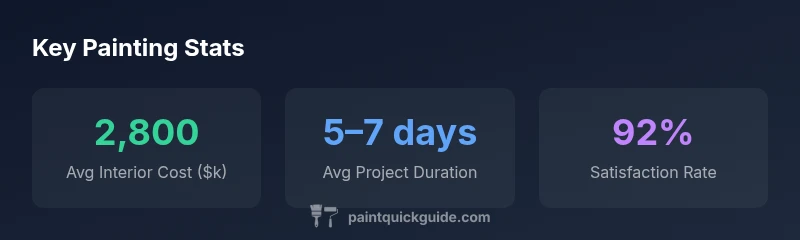
A paint job near me typically costs between $2,000 and $6,000 for interior projects, depending on area, prep, and finishes. Local pros often offer 2–5 day schedules with included prep and a color consultation. PaintQuickGuide Analysis, 2026, notes that prices vary by room, surfaces, and access.
Why finding a paint job near me matters
According to PaintQuickGuide, finding a paint job near you provides advantages like faster response times, easier on-site coordination, and clearer accountability through local warranties. Proximity helps reduce travel fees, makes touch-ups easier, and supports neighborhood economies. In practice, local painters understand your climate, building codes, and common access constraints that affect scheduling and prep. Whether repainting a single accent wall, refreshing an entire interior, or tackling vehicle refinishing, working with someone nearby improves communication, allows on-site color testing, and shortens the path from color sample to final coat. For auto refinishing, local shops often offer color-matching calibration and better oversight of repair timelines. This section sets the stage for evaluating options within your radius and clarifies expectations before you request bids.
Finding a nearby painter also influences scheduling flexibility, warranty terms, and post-project support. A local contractor is more likely to visit your home for color tests, touch-ups, and contingency planning if unforeseen issues arise. In short, a paint job near me matters because it aligns price, timing, and outcomes with your real-world constraints and lifestyle.
For homeowners and auto enthusiasts alike, proximity matters because it reduces commute times, supports local businesses, and often simplifies project management. By prioritizing nearby options, you can compare references quickly and coordinate site visits without excessive delays, which translates to fewer surprises and more predictable results.
How to evaluate local painters: credentials, portfolio, and reviews
Quality work starts with credentials and a transparent process. Start by verifying state-licensed contractors if required in your area, confirming active insurance, and requesting a written contract. Review portfolios to judge consistency in finish quality and color control. Call or email recent clients to confirm reliability and punctuality, and look for consistency in approach to surface prep. Ask about equipment used (brushes, rollers, spray equipment) and whether they follow industry-standard drying times. Finally, assess communication clarity: can the painter explain scope, price, and schedule without jargon? A strong local painter will provide a clear bid, a realistic timeline, and willingness to walk you through choices.
To make your life easier, request a color-consultation option and a small test panel when feasible. This helps you see how your wall will look under different lighting conditions before committing. If a contractor resists sharing past projects or references, treat it as a red flag and seek alternatives. Transparent, well-documented bids paired with verified references are the hallmark of reliable local painting pros.
Tip: a good portfolio should show a range of surfaces (plaster, drywall, wood, metal), multiple finishes, and evidence of proper prep and masking. A local painter who can demonstrate consistent results across projects is typically more trustworthy when you need lasting color and a clean edge line.
Cost drivers for residential painting: what influences price
Pricing is driven by scope, square footage, and the level of prep required. Interior projects typically cost more when walls require extensive patches, drywall repairs, or wallpaper removal. Exterior projects hinge on surface condition, weather exposure, and the need for priming or specialized coatings. Finishes influence cost: matte and satin can differ in preparation, while glossy finishes often demand careful surface smoothing. Access complexity, such as stairs or high walls, adds labor. Finally, the choice of paint brand and primer quality affects both material costs and final durability. In practice, expect bids to vary by region and season, so compare multiple quotes and verify which tasks are included.
According to PaintQuickGuide Analysis, 2026, regional wage rates, fuel costs, and supply chain fluctuations can shift bids by roughly 10–25% across markets. When you receive bids, look for a clear delineation of prep versus topcoat work, and ask whether the price includes masking, drop cloths, and cleanup. This helps you understand true cost drivers and avoid sticker shock during the signing phase.
Preparation, materials, and finishes: what to expect
Before any coat goes on, proper prep determines long-term results. Expect scraping, sanding, filling gaps, caulking, and priming where needed. Material choices matter: latex/acrylic paints are common for interiors, while exterior projects may require stain-blocking primers or elastomeric coatings for weather resistance. Finishes range from flat to high-gloss, with eggshell and satin offering a balance of sheen and washability. If you want color testing, ask for a sample wall and test panels. A reputable painter will protect floors and furniture, ventilate adequately, and explain drying times between coats. The goal is a smooth, durable surface that resists peeling and fading.
For vehicles, expect specialized automotive paints, color-measuring equipment, and a controlled spray booth environment. Auto refinishing demands meticulous surface preparation and environmental controls to achieve consistent gloss and color accuracy. Regardless of project type, insist on a written prep plan and a check-list that the contractor follows for every surface.
This phase also includes masking, plastic containment for dust control, and careful edge-work to avoid paint bleed onto trim or fixtures. If you have sensitive occupants (children or pets), request quiet hours and dust-minimizing practices to limit disruption.
Getting accurate quotes: how to compare bids
To avoid misinterpretation, request a detailed, written bid that itemizes labor, materials, and tax. Compare scope: does the bid include surface preparation, caulking, primer, and at least two coats? Look for inclusions such as masking, drop cloths, cleanup, and final touch-ups. Verify the specified paint brand and finish, and confirm warranty terms for workmanship and materials. Ask about contingency plans for delays caused by weather or supply shortages. Finally, create a checklist and score each bid on price, timing, and communication—this helps you make a confident decision.
PaintQuickGuide's approach emphasizes transparency: bids should clearly define what is included and what is not, so you can compare apples to apples across contractors. If a bid is unusually low, review the exclusions and ensure there are no hidden costs that will surface mid-project.
Practical tip: request a line-item price for each major component (prep, priming, coat application, finish work) and confirm whether multiple coats are required for full coverage. A well-documented bid minimizes disputes and accelerates decision-making.
Scheduling and logistics: timelines, warranties, and follow-ups
Most interior projects schedule in 2–7 days depending on room count and prep; exterior work may take longer due to weather constraints. A typical contract should include a start date, estimated duration, and daily work hours. Warranties often cover workmanship for a specified period and manufacturer defects for materials; read the warranty carefully and note which issues qualify. Plan for a walkthrough and punch list after completion to ensure all touch-ups are finished. Finally, maintain an open line with the painter for post-project follow-ups, touch-ups, or future refresh cycles.
In seasonal markets, start times can shift due to holidays or backup from material suppliers. The PaintQuickGuide team recommends securing a written warranty and a defined process for addressing defects within the warranty period. Document any changes in writing and keep a centralized file with all approvals, change orders, and receipts to avoid confusion later.
DIY vs professional: when to hire
DIY painting is feasible for small rooms or accent walls if you have time and patience, but large-scale jobs or homes with tricky architectural features benefit from pros. Professional painters bring experience with masking, edging, and spray application, plus safety training for ladders and ceiling heights. For cars and auto refinishing, specialized equipment and color matching are essential; hiring a shop with a proven track record reduces the risk of unequal gloss and mismatched colors. If you value efficiency, durability, and warranty coverage, hiring a local pro is typically the better choice. A nearby professional also helps ensure compliance with local environmental and safety regulations, which can vary by town.
PaintQuickGuide notes that the best outcomes come from a clearly defined scope and a trustworthy contractor with a transparent process. If you plan to repaint multiple rooms over several weeks, a staged approach with interim inspections can help maintain consistency and reduce rework.
What to ask in a quote and how to read the contract
Prepare a list of questions before requesting bids. Ask about license and insurance, start date flexibility, number of coats, surface preparation specifics, and whether a final walk-through is included. In the contract, look for scope clarity, payment schedule, change-order procedures, a warranty statement, and a cancellation policy. Ensure the bid includes a clear explanation of any contingencies for weather or supply delays. A well-structured quote reduces risk and helps you hold the project to your expectations.
Typical price and scheduling benchmarks
| Aspect | Low end | High end | Notes |
|---|---|---|---|
| Interior painting (per sq ft) | 1.50 | 4.50 | Depends on prep and finish |
| Exterior painting (per sq ft) | 2.00 | 6.50 | Weather and prep affect |
| Lead-time to start (weeks) | 1 | 6 | From quote to start |
Your Questions Answered
What is a realistic cost range for an interior paint job near me?
Costs vary by room size, prep needs, and finishes. Most bids reflect scope, material quality, and labor. It’s best to obtain multiple written bids and compare line items.
Interior painting costs vary; get at least three bids and compare scope and materials.
How do I compare quotes effectively?
Look for a detailed scope, itemized labor and materials, and clear start/completion dates. Check paint brand, finish, number of coats, and whether prep is included. Ask about warranties.
Compare bids line by line to see who covers prep and coatings.
How long does a typical residential paint job take?
Interior projects usually take several days to a couple of weeks depending on room count and prep. Exterior work may stretch longer due to weather and surface condition.
Most interior jobs finish in days to a couple of weeks, weather permitting.
Do painters offer color consultations?
Many painters offer color consultations as part of the quote or for a small fee. Some include it for larger projects. Confirm this in writing before starting.
Color consultations are common; confirm in the bid.
What warranty should I expect on painting work?
Warranties typically cover workmanship for a period and may cover materials if the manufacturer has issues. Read specifics in the contract and clarify what’s excluded.
Ask what the warranty covers and for how long.
When is the best season to schedule painting near me?
Spring and fall are popular due to milder weather, but many pros can work year-round with climate-controlled spaces. Plan ahead for peak seasons to avoid delays.
Spring or fall is ideal, but plan ahead for busy times.
“Thorough prep and a clear contract prevent scope creep and ensure a durable, high-quality finish.”
Quick Summary
- Ask for 3+ written bids to compare scope
- Ensure the bid includes prep, priming, and at least two coats
- Look for masking, protection, and cleanup in the quote
- Request a color test panel before committing
- The PaintQuickGuide team recommends clear contracts and durable warranties