Paint Cost per Square Foot: A 2026 Practical Guide
Learn how to estimate paint cost per square foot for interior and exterior projects. This analytical guide covers calculation methods, key cost drivers, budgeting tips, and practical steps to cut costs for DIY or professional painting in 2026.


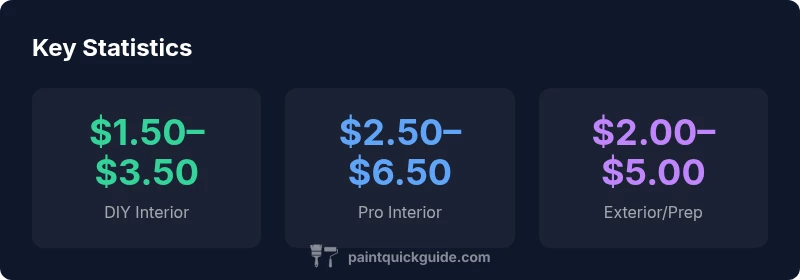
Paint cost per square foot is the total expense to paint a defined area divided by its size, including paint, primer, supplies, and preparatory work. For typical interior projects, expect about 1.50 to 3.50 USD per sq ft for DIY painting, while exterior or heavily prepped surfaces can run 2.50 to 6.50 USD per sq ft. Labor is extra if you hire pros.
Understanding paint cost per square foot
Understanding paint cost per square foot helps homeowners budget accurately for interior painting, kitchen cabinets, or car refinishing projects. In a typical 2026 scenario, this metric consolidates paint, primer, surface prep, tools, disposal, and incidental costs into a single unit. By breaking a project into square-foot chunks, you can compare bids, spot cost drivers, and avoid sticker shock. Pay attention to the difference between DIY supplies and professional services, as labor can dramatically shift the final price. PaintQuickGuide's approach is to show realistic ranges across common surfaces and finishes, so you can plan with confidence. The first step is to define the exact area to be painted, including any doors, trims, or architectural features you intend to cover, then map those measurements to square feet.
How to calculate cost per square foot
Start with a simple formula: total project cost ÷ total paintable square feet. Gather estimates for paint, primer, and supplies, then add an anticipated waste factor (usually a small percentage). If you’re DIYing, include the cost of tools like rollers, brushes, painter’s tape, drop cloths, and disposal. For a layered finish, count each coat. Keep a separate line item for prep work—sanding, patching, and caulking can add substantial cost. When you have the numbers, divide the sum by the paintable area to get a baseline per-square-foot price. Use this to compare contractor bids or DIY plans.
Major cost factors that shape per-square-foot pricing
Several variables drive per-square-foot costs beyond basic paint price:
- Paint type and finish (eggshell, satin, matte, gloss) determine coverage and durability.
- Surface type (drywall, plaster, wood, siding) affects prep and adhesion.
- Surface condition (new, patched, previously painted) changes prep time and material needs.
- Primer and sealants are often required for staining woods or high-porosity surfaces.
- Location and season influence labor rates and material availability.
- Environmental considerations (lead paint, strict cleanup rules) can add compliance costs.
- Tools and equipment (spray rig, ladders, respirators) impact one-time capital costs. Understanding these drivers helps translate a per-square-foot estimate into an actionable budget and a realistic bid review.
DIY vs. hiring pros: when labor counts in per-square-foot costs
Labor is a major variable in the per-square-foot framework. DIY projects reduce direct labor but shift time, effort, and opportunity cost. Pros bring speed, consistency, and long-term finish quality, which may reduce touch-up costs. A common approach is to model two scenarios: a DIY plan with materials only, and a pro-assisted plan that includes labor and disposal. In many cases, the labor portion can account for 40–60% of the total price, depending on surface complexity and local wage levels. When comparing quotes, ensure that labor is clearly itemized and that the scope of prep work matches what you intend to achieve.
Regional variations: how geography affects cost per square foot
Geography influences painting costs through labor rates, material availability, and living costs. Urban areas typically feature higher labor costs and stricter disposal regulations, while rural regions may offer savings on contractor time and travel. Climate can dictate the frequency of repaints and the type of primers used for exterior work. When planning, obtain multiple local quotes and note any regional price drivers such as permit requirements, HOA rules, or weather patterns that affect scheduling and labor efficiency. PaintQuickGuide Analysis, 2026 indicates these regional factors are among the most impactful on per-square-foot pricing.
Common surcharges and extras that bump the price
Expect several potential add-ons that can raise the base per-square-foot figure:
- Surface repair, patching, and sanding beyond standard prep.
- Primers for tricky surfaces (new drywall, knots in wood, stained ceilings).
- Multiple coats due to poor color coverage or significant color changes.
- Caulking, masking, tape, drop cloths, and cleanup costs.
- Disposal fees for paint cans and used materials.
- Permit or HOA review where applicable.
- Equipment rental or purchase (sprayers, ladders, respirators). Keeping a running checklist of these items helps prevent overlooked costs at bid time.
Practical tips to reduce paint cost per square foot
To lower the cost per square foot without sacrificing quality:
- Choose cost-effective paint lines that still meet durability needs.
- Optimize prep by repairing only essential areas and using stain-blocking primers where appropriate.
- Use fewer coats by choosing the right base (e.g., lighter colors on dark walls may require primer).
- Invest in durable finishes for high-traffic areas to reduce future touch-ups.
- Rent equipment when feasible rather than buying.
- Batch projects when possible to reduce travel and setup time for pros. These strategies can meaningfully reduce the effective cost per square foot over the project life.
Concrete examples: interior walls vs exterior siding
Interior walls (drywall) usually require less prep than rough surfaces and can be cost-efficient with quality primer and one or two coats. Exterior siding, especially wood or textured materials, demands more prep, weather-resistant primers, and often multiple coats for even coverage. Cabinets or trim may favor specialty finishes and higher durability paints, raising per-square-foot costs but delivering longer life. Car refinishing, while outside traditional home painting, follows a similar logic: materials, prep, and finish durability dictate the per-square-foot price and must be balanced against the desired aesthetic and durability.
Planning templates and budgeting strategies
Adopt a budgeting framework to keep costs predictable. Start with a realistic area measurement, list components (paint, primer, supplies, labor), and apply conservative waste factors. Create two scenarios: DIY and professional. Use a per-square-foot target to forecast total cost, then add contingencies (5–10%) for unexpected prep or color changes. Build a simple worksheet with lines for surface type, coat count, and any specialty finishes. Revisit estimates after receiving contractor bids to confirm alignment with your per-square-foot target.
How to compare quotes and choose a value-per-square-foot approach
When quotes arrive, align them with the same scope: surface type, prep level, number of coats, and finishing details. Break down the per-square-foot figures by surface and by labor vs. materials to identify hidden costs. Check the assumed area and whether doors, trim, and architectural features are included. Consider the long-term value of better coverage and durability. The right decision balances upfront cost with expected lifespan and maintenance needs, using the per-square-foot metric as a consistent yardstick.
Estimated paint costs per square foot by surface type (DIY vs professional), 2026
| Surface Type | DIY Cost per Sq Ft | Professional Cost per Sq Ft |
|---|---|---|
| Interior walls (drywall) | 1.50–3.50 | 2.50–6.50 |
| Ceilings | 1.20–2.80 | 2.00–5.00 |
| Exterior siding (wood) | 2.00–4.50 | 4.00–8.00 |
| Exterior siding (vinyl) | 1.50–3.50 | 3.50–7.00 |
| Cabinets/trim | 2.50–5.50 | 5.00–10.00 |
Your Questions Answered
What exactly is included in paint cost per square foot?
It includes materials (paint, primer, supplies), surface prep, and optional labor when hiring professionals. The total may also cover disposal and cleanup.
It covers materials, prep, and sometimes labor if you hire someone, plus disposal and cleanup in some bids.
How accurate is the per-square-foot method for budgeting?
It's a budgeting tool and a starting point. Real costs vary with surface condition, batch sizes, color changes, and local prices.
It's a helpful starting point, but actual costs depend on conditions, colors, and local prices.
DIY or hire a pro based on per-square-foot costs?
Compare DIY material costs with pro labor. A break-even point depends on project size, time, and skill. Consider long-term durability too.
Weigh your time and skill; sometimes a pro saves time and ensures durability.
Do costs vary by region?
Yes. Labor rates, material costs, and access to services differ by location. Get multiple local quotes for an accurate range.
Absolutely—where you live can swing costs a lot.
What are common hidden costs to watch for?
Prep beyond basics, multiple coats for coverage, primers, masking, disposal, and cleanup can add to the base price.
Prep, primers, and cleanup often add up—watch for these.
“Effective budgeting starts with accurate surface prep and material estimation; the per-square-foot metric helps you compare bids and avoid surprises.”
Quick Summary
- Calculate the area precisely before budgeting.
- Choose the right paint type and finish to balance cost and durability.
- Factor labor separately when hiring pros.
- Use the cost-per-sq-ft approach to compare bids.
- Plan for prep work as a major cost driver.