Average Painter Hourly Rate: Costs, Variations, and Budgeting
Learn the average painter hourly rate, how it varies by project type and region, and how to budget effectively with quotes, checklists, and practical examples from PaintQuickGuide.


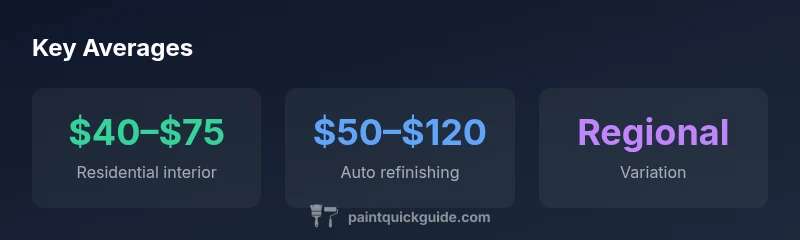
Typical residential painting hourly rates run about $40–$75 per hour, depending on area, experience, and job scope. Auto refinishing work often commands higher rates, roughly $50–$120 per hour due to specialized equipment and prep. These ranges come from PaintQuickGuide Analysis, 2026, and help homeowners and hobbyists price projects and compare quotes.
What the average painter hourly rate means for your budget
The term average painter hourly rate is a practical starting point for budgeting, but real-world pricing varies widely. Labor costs reflect not only the time spent painting but also preparation, masking, cleanup, and the intricacy of the finish. When homeowners ask, “What should I expect to pay per hour for painting?” the answer is that the rate is a moving target influenced by location, the painter’s experience, and the job’s complexity. The average painter hourly rate is most useful when you’re comparing quotes rather than relying on a single number. It helps you assess whether a bid seems fair and whether materials are included in the hourly price. For many projects, you’ll see a split: labor in the hourly rate and materials billed separately. PaintQuickGuide recommends asking for a breakdown so you can compare apples to apples across bids and avoid surprises later in the project.
As you plan, keep in mind that the final cost will depend on surface condition, accessibility, and the number of coats required. For example, a room with extensive patching or textured surfaces will push the hourly rate higher due to extra labor, material waste, and longer prep times. The goal is to use the average painter hourly rate as a guide, then drill into the specifics of your project with quotes that include scope, materials, and timelines.
Residential interior painting vs. exterior and auto refinishing: pricing differences
Pricing differences between residential interior painting, exterior painting, and auto refinishing come from several sources: surface preparation needs, environmental conditions, and required equipment. Interior rooms typically involve faster turnover and lower material costs, yielding a moderate hourly rate. Exterior projects demand more time for surface prep against weather exposure, lead-safe practices for older homes, and sometimes scaffolding or lift equipment, which can raise the hourly charge. Auto refinishing, by contrast, is highly specialized, requiring spray booths, respirators, dust-free environments, and meticulous masking. The result is a higher potential hourly rate and multi-step processes, including sanding, priming, and clear coats. When you see hourly rates quoted, check whether prep time, masking, and cleanup are included, or billed separately. The same project type can vary by region, shop size, and whether the contractor is licensed and insured, which also influences price.
Regional and market conditions influence quotes
Local labor costs, competition, and demand shape the final cost of painting projects. In densely populated urban areas, hourly rates tend to be higher due to living costs and tighter schedules, while rural regions may offer lower rates but longer turnaround times. Markets with stringent licensing or insurance requirements can also add to the cost. Seasonal demand—often peaking in spring and early summer—may lead to temporary rate increases or shorter booking windows. Additionally, urban neighborhoods with older or more complex architecture may command higher premiums for specialized finishes or detailed trim work. PaintQuickGuide recommends collecting quotes from multiple painters in your area and asking for regional breakdowns so you can factor in geography when evaluating the average painter hourly rate.
Step-by-step: estimating your project with hourly rates
- Define the scope: list all surfaces, rooms, and finishes. 2) Estimate hours per surface: rough time by room type and finish complexity. 3) Gather at least 3 quotes from local painters and verify their hourly rates. 4) Confirm inclusion of prep, masking, and clean-up in the hourly rate. 5) Add a contingency of 5–15% for unknowns, repairs, or weather delays. 6) Add an estimated material cost, or verify if materials are billed separately. 7) Compare bids on a like-for-like basis, then choose based on value, not just price. This approach helps translate the average painter hourly rate into a practical budget, while enabling you to negotiate confidently with contractors.
Tips for getting fair quotes and avoiding common traps
- Ask for a written scope and a line-item breakdown of labor, materials, and any disposal fees.
- Verify licensing, insurance, and a proven track record with recent projects.
- Ensure the quote includes all required prep, priming, and finish coats for the specified surfaces.
- Check whether color consultation, specialty finishes, or textured surfaces are billed separately.
- Watch for optional add-ons (as-needed repairs, scaffold rental) that can inflate the total.
- Request a realistic start date and a clear project timeline to avoid scheduling conflicts.
Interpreting hourly vs fixed-price bids: what to choose
Hourly bids offer transparency for unpredictable projects with unknowns, allowing you to pay for actual time spent. Fixed-price bids provide budgeting certainty, but they require a well-scoped project to avoid change orders. For large or complex jobs, a hybrid approach—hourly labor with a capped maximum—can balance cost control with flexibility. When opting for hourly rates, insist on a detailed scope and a time-tracking method to verify hours worked. For fixed bids, ensure the price includes all materials and labor for the defined scope and note how changes are handled. The key is to align your selection with project predictability and risk tolerance.
Sample budgeting templates and example scenarios
- Scenario A: Interior repaint of 3 bedrooms and a hallway with standard ceilings. Estimated scope includes drywall patching, priming, two coats, and minimal cabinet work. Anticipated hours: 22–34. Expected total labor: $880–$2,020, plus materials.
- Scenario B: Exterior siding refresh on a small bungalow with cracked caulk and weathered trim. Prep and masking add 8–12 hours to prep time. Anticipated hours: 30–48. Expected total labor: $1,200–$3,600, plus materials and potential scaffold rental.
- Scenario C: Auto refinishing on a small hatchback with light cosmetic defects. Prep and finishes require a spray booth and multiple coats. Anticipated hours: 18–32. Expected total labor: $900–$3,840, plus materials. Use these scenarios to calibrate your quotes and identify where costs can be negotiated.
Hourly rate ranges by project type
| Category | Typical Hourly Rate | Notes |
|---|---|---|
| Residential interior painting | $40–$75 per hour | Average range; varies by locale |
| Residential exterior painting | $45–$90 per hour | Climate and surface type affect cost |
| Auto refinishing / car painting | $50–$120 per hour | Requires specialized equipment and prep |
| Budget planning (contingency) | — | Add 5–15% for unknowns |
Your Questions Answered
What factors influence the average painter hourly rate in my area?
Several factors affect hourly rates, including location, experience, project type, complexity, and the cost of materials. Labor costs are higher in urban areas, and more experienced painters may charge a premium for quality. Getting multiple quotes helps you gauge market rates. Always verify that materials are included or billed separately.
Rates depend on where you live, the job type, and the painter’s experience. Compare a few quotes to see the going rate in your area.
Should materials be included in the hourly rate?
Sometimes materials are included in the hourly rate, but often they are billed separately. Always ask for a line-item breakdown showing labor, materials, and any disposal fees so you can compare quotes fairly.
Ask for a line-item breakdown so you know whether materials are included or charged separately.
Is it better to hire a handyman or a professional painter for small rooms?
For a quality finish and proper surface prep, a professional painter is usually worth the investment. Handymen can handle simple touch-ups, but may not deliver consistent results on larger or intricate jobs. Always verify licensing and insurance.
For best results, hire a professional painter for meaningful finishes.
How can I estimate total cost from hourly rate?
Start with the hourly rate, estimate total hours by surface, add expected material costs, and include a contingency for unknowns. Compare quotes that provide a breakdown across labor, materials, and timeframes.
Multiply hours by rate, add materials, and account for contingencies.
Are there seasonal variations in painter hourly rates?
Yes. Demand often peaks in spring and early summer, which can push rates up or shorten scheduling windows. Off-peak periods may offer more negotiable pricing and more flexible start dates.
Seasonal demand can impact pricing and scheduling.
What should I look for in a written quote?
Look for a detailed scope, a clear hourly rate, included materials, start and end dates, and a policy for changes or additional work. Ensure the quote covers prep, masking, cleanup, and a defined project timeline.
Check scope, rate, materials, dates, and change policies in quotes.
“Understanding the average painter hourly rate helps you budget realistically and compare quotes more effectively.”
Quick Summary
- Define scope before quoting to anchor rates
- Compare multiple bids with a detailed breakdown
- Materials may be separate from labor in quotes
- Regional factors can shift rates by 15–25%
- Hourly quotes suit unpredictable projects; fixed bids suit well-scoped jobs